
Hidden in the Dugout: Spotting Real Vintage Baseball Gloves
- Feb 2026
- Rigo

You ever pick up an old baseball glove at a yard sale and feel that dry, cracked leather in your hands? Most people see junk. A collector sees a story. Vintage baseball gloves are one of those collectibles that show up everywhere—garage sales, flea markets, estate boxes—but knowing which ones matter takes a trained eye.
One of the first things to look for is the maker’s stamp. Inside the palm or near the wrist strap you’ll usually find the brand burned or stamped into the leather. Names like early Rawlings, Spalding, Reach, or Stall & Dean can signal something older and worth studying. But here’s the catch—those stamps fade fast. Sellers sometimes re-ink them to look sharper. If the stamp looks too dark or uneven, that’s a red flag.
Another clue is the webbing and stitching style. Gloves before the 1930s were flatter and thinner, sometimes barely padded. If you see a glove with thick modern lacing but old-style leather, chances are someone replaced the laces. That doesn’t kill the value, but collectors care about originality. You’ll also want to check for stitching repairs. Old repairs done decades ago are fine. Bright white nylon thread from last year isn’t.
And here’s something people don’t always mention—smell the glove. Seriously. Real old leather has a dry, dusty smell. If it smells like oil or conditioner, someone probably soaked it recently to hide cracks. That trick can make a glove look better in photos but it shortens its life.

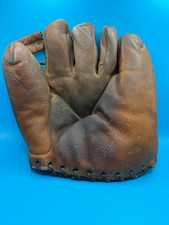


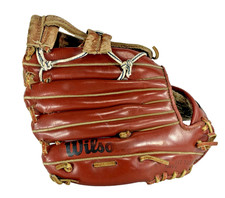


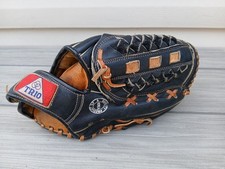
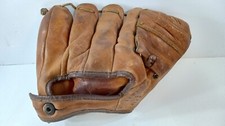

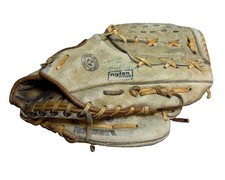


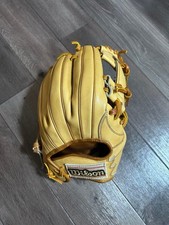

Collectors love these gloves because they’re tied to the human side of baseball. Imagine a kid in 1925 saving allowance money for his first mitt, playing catch in a dirt lot, then tossing it in the attic when he got older. That glove might sit there for 80 years before someone finds it. Every crease in the leather came from a real catch.
Some gloves are especially collectible. Early catcher’s mitts with full face padding, fingerless gloves from the 1910s, and models stamped with player endorsements—like early Babe Ruth or Dizzy Dean models—draw serious interest. Even minor league or hardware-store branded gloves can surprise you, especially if they still have their original buckle strap.
The biggest problem collectors run into is over-restoration. People clean gloves too aggressively, re-dye the leather, or replace every lace. That might make it look nicer on a shelf, but it removes the history. Honest wear is usually better than a perfect-looking glove with modern parts.
When you’re out hunting, don’t just look for pristine pieces. Pick up the cracked ones. Check inside the palm. Look for old name stamps written in pen. Sometimes the glove with the most wear has the best story—and the best value.
That’s the fun of collecting baseball memorabilia. You’re not just buying leather. You’re rescuing a little piece of someone’s childhood.