
National Cash Register (NCR)
Collector Quick Guide
What collectors look for
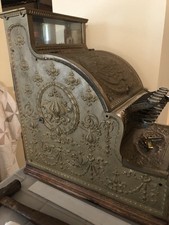
Collectors seek registers with original brass finish, complete key sets, working mechanisms, and intact drawer interiors. Original marble shelves, receipt printers, and decorative castings can significantly increase collector appeal.
How to identify originals
Authentic NCR registers usually display a serial number, the National Cash Register nameplate, and model information. Original examples feature intricate cast brass construction, period hardware, and mechanical components consistent with their production era.
Red flags / reproductions
Watch for replated brass, reproduction nameplates, replacement keys, or assembled machines made from multiple registers. Excessive polishing may also reduce collector appeal by removing the original aged patina.
Related collectibles
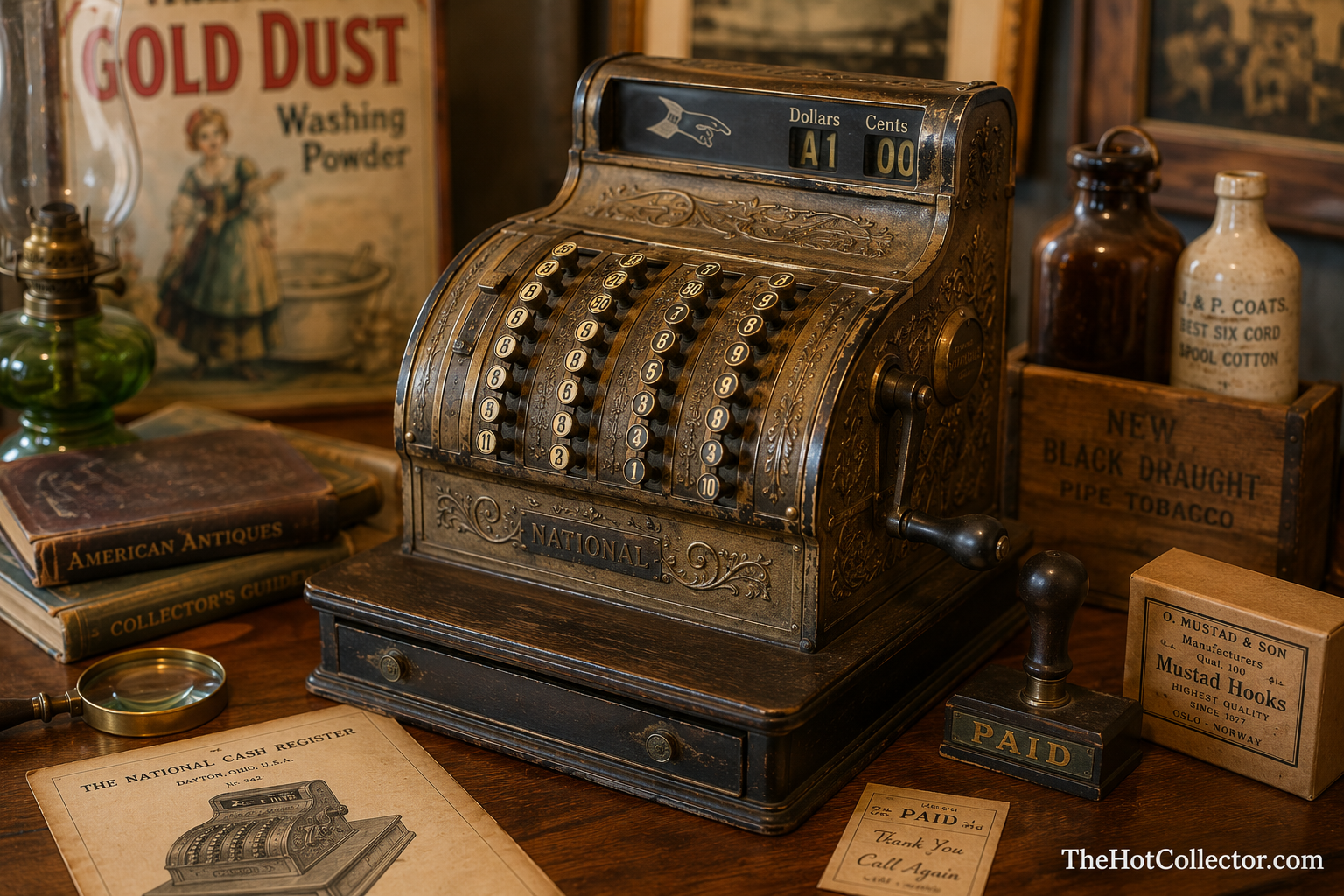
Few pieces of antique retail equipment capture the imagination quite like the National Cash Register. Introduced during the late nineteenth century, these beautifully engineered machines transformed the way businesses handled sales while becoming symbols of honesty, efficiency, and success. Before their invention, store owners often struggled to track transactions accurately, making theft and bookkeeping errors common. The National Cash Register Company, better known as NCR, helped solve these problems by producing mechanical registers that recorded every sale while providing customers with greater confidence in the purchasing process.
Founded in 1884 in Dayton, Ohio, NCR quickly became one of America's most innovative manufacturing companies. Under the leadership of John H. Patterson, the company refined the original cash register into a dependable business tool while also turning it into an attractive centerpiece for shops and department stores. Many early models featured elaborate brass castings, engraved scrollwork, marble shelves, ornate drawer pulls, and decorative designs that reflected the craftsmanship of the Victorian era. Today, these machines are admired not only for their mechanical ingenuity but also for their artistic beauty, making them equally appealing to collectors of antiques, advertising, and business history.
Over the decades, NCR produced thousands of models for general stores, pharmacies, jewelers, hotels, restaurants, and countless other businesses. Some were simple countertop machines, while others included receipt printers, multiple drawers, and advanced accounting features. Because they remained in service for decades, many examples display the honest wear expected from years of daily use, adding to their character and historical appeal.
Right now on eBay
Antique National Cash Register NCR Model 415 Restored Brass Cash Register c1922
Used

Antique VINTAGE Brass Ornate NATIONAL CASH REGISTER Original, Collector Works A
Used


National Cash Register Co. Antique Ornate Metal Cash Register


💎NCR National Cash Register Model 225 Vintage Prestine Working Condition W/ Key
Used


1 National Cash Register New Italian Marble Model 332 , 730 + More Models NCR
New

Antique Original National Cash Register Bronze Bar Model 313 + more NCR
Unspecified
1910 national cash register

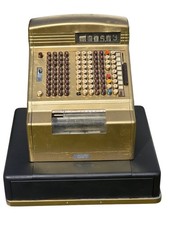
Antique 1949 National Cash Register Refurbished, Needs Fuse, No Key
Seller refurbished


Antique Brass National Cash Register 147 1905



National Cash Register & Co. Size 47 1/4 C Antique Cash Register No. 515966


COMMON STEPS TO "UNJAM" YOUR ANTIQUE NATIONAL CASH REGISTER CLASS 300/400 NCR
New
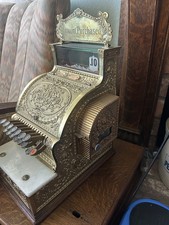
National Cash Register Model 317
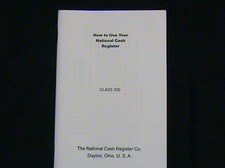

1 National Cash Register New Italian Marble Model 313 , 711 + More Models NCR
New
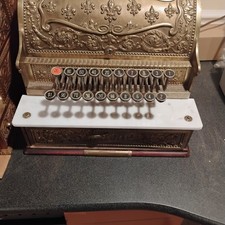
1 National Cash Register New Italian Marble Model 224,225 + More Models NCR
New


American Vintage Decor Antique Cash Register Model Prop Shop/Bar Counter Display
New

Antique National Cash Register Model 22 Circa 1960s Metal - great condition
Used
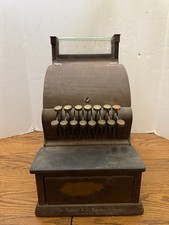
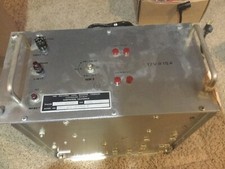
National Cash Register NCR 315-0502654 G

ONE National Cash Register New Italian Marble W/ Color Model 313,711 + More NCR
New

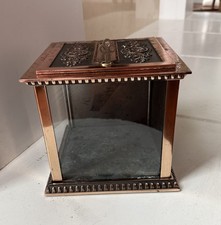
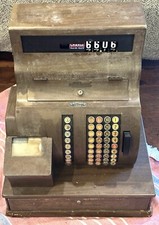
*ANTIQUE National Cash Register MODEL # 1090 . Heavy !!! READ For Shipping Info
Used

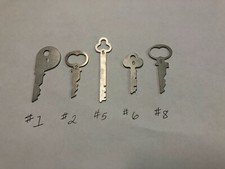
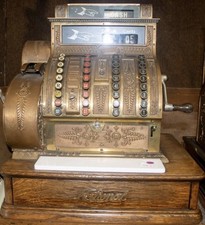
Brass Cash Register On Oak Base, Model 442-XX, By National Cash Register Co.
Used


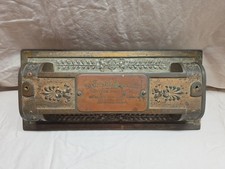
ANTIQUE VINTAGE THE NATIONAL CASH REGISTER COMPANY TOP WITH GLASS INTACT
Used
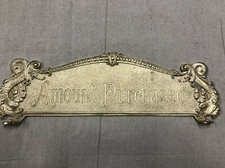

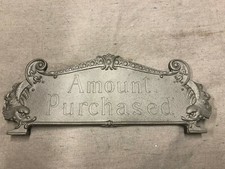


Antique Original National Cash Register Bronze Bar Above Coin Slab Model 313
Used


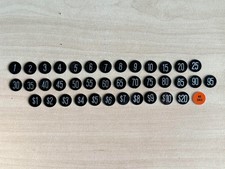
4 Round Clerk Letter Key Checks & Rings For Crank Antique National Cash Register
Used





Antique Cash Register Brass

Antique 1912 National Cash Register – Ornate Brass Model 345DD (Pre-Decimal)
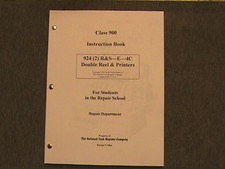


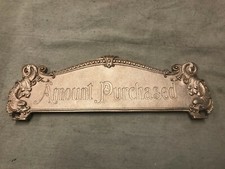
Reproduction Antique National Cash Register Renaissance & Fleur De Lis Top Sign
Used


National Cash Register Drawer Front 332, 333, 336, 349, etc.. Models Red Brass
Used
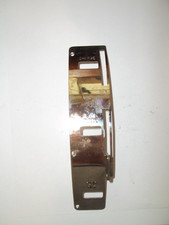


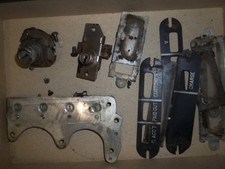
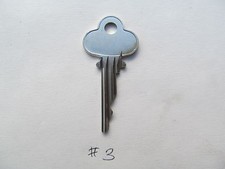


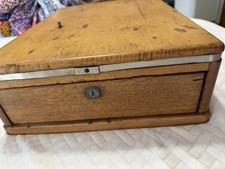

Antique NCR NATIONAL CASH REGISTER 500 Class Front Dollars Flash & Glass
Used

National Cash Register Drawer Front 332, 333, 336, 349, etc.. Models Red Brass
Used


The National Cash Register Co. Brass Cash Register w/ Drawer Model 317 Working
Used
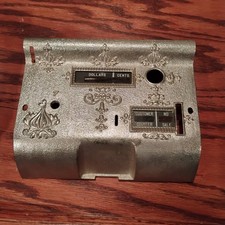
1 National Cash Register Nickel-Plated Brass Dust Cover Model 313 and Others NCR
Used


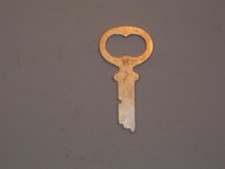


Antique Brass National Cash Register 500 Class Plate Glass Total Window w/Backer
Used

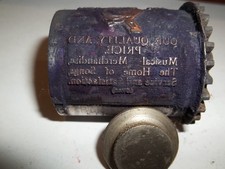


National Cash Register NCR 1983 DAYTON OHIO $5 +$20 DOLLAR BILLS FUNNY MONEY
New
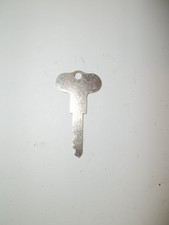
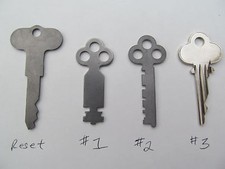
Antique National Cash Register Reset Key (For Counters) for all 300/700 models
Used
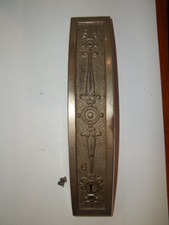


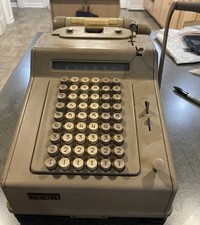
RARE Vintage Antique Desk Top Adding Machine by the National Cash Register Co.

Condition and originality play a major role in collector interest. Many antique cash registers have been restored, but experienced collectors often prefer examples that retain their original brass finish and factory components. While polished brass may appear attractive, excessive buffing can remove the rich patina that naturally develops over time. Complete key sets, original drawer interiors, correct glass windows, and functioning mechanisms are all features that can enhance collector appeal.
One of the most valuable tools for identification is the serial number. NCR maintained detailed production records, allowing many registers to be researched and accurately dated. Collectors also examine the model designation, decorative castings, and manufacturer's plaques to determine authenticity and rarity. Because damaged machines were frequently repaired using parts from other registers, it is not uncommon to encounter examples assembled from multiple models, making careful inspection especially worthwhile.
Today, National Cash Registers remain among the most impressive pieces of antique retail equipment ever produced. Whether displayed in a restored general store, a private office, or a dedicated antique collection, they serve as reminders of a time when business machines were built to last for generations. Their combination of engineering, craftsmanship, and commercial history continues to make them one of the cornerstones of retail collecting.