
Why Porcelain Advertising Signs Continue to Fascinate Collectors
- Jul 2026
- The Hot Collector
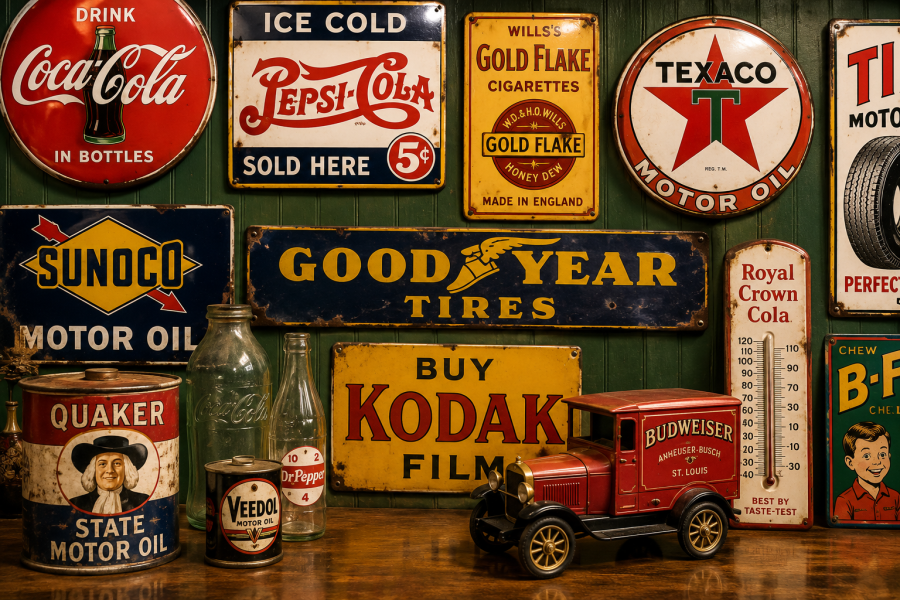
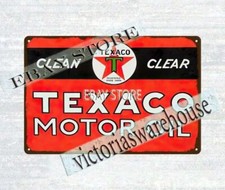
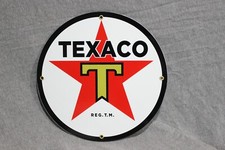
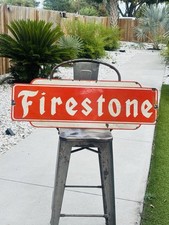
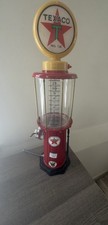
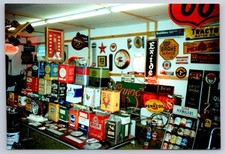
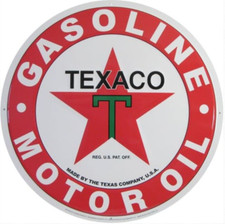
Walk into almost any antique store and you'll probably spot one hanging on the wall. It might be a bright  Texaco porcelain sign, an old Coca-Cola sign, or a weathered Goodyear advertisement with just enough chips to make you wonder where it's been for the last hundred years.
That's exactly what makes these signs so interesting.
They weren't created to become collectibles. They were made to advertise a product, hang outside a business, and eventually be replaced when the next marketing campaign arrived. The reason so many collectors treasure them today is because relatively few survived decades of weather, changing businesses, and the scrap drives of World War II.
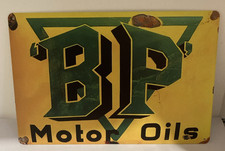
One thing seasoned collectors almost always inspect first is the porcelain finish. Hold the sign at an angle under good light. A genuine porcelain sign usually has a glass-like surface with depth and a natural shine. Modern reproductions often look too smooth or too perfect, while older signs typically show honest wear around the mounting holes and edges.
Here's a collector's tip that surprises many beginners.
Don't automatically avoid a sign because it has chips.
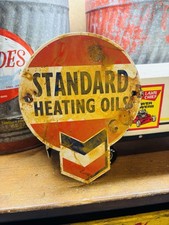
Small chips around the bolt holes or edges are often exactly what you'd expect from a sign that spent decades hanging outside. In fact, perfectly flawless porcelain signs deserve extra scrutiny because some reproductions are artificially aged while others are made to look brand new.
Most Popular on eBay


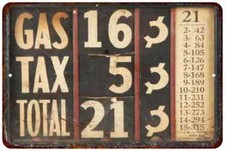


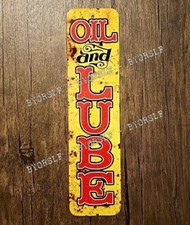
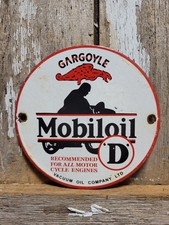

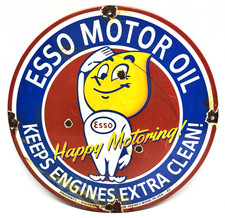






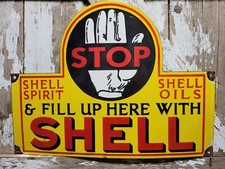

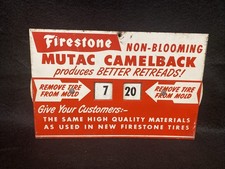

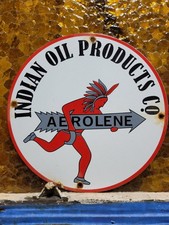























Another clue hides on the back.
Original porcelain signs frequently show natural oxidation, age-related staining, or manufacturer marks that match the period they were produced. Many companies used specific sign makers whose names can still be found stamped or labeled on the reverse. Spending thirty seconds looking at the back can sometimes save you hundreds of dollars.
Collectors also pay attention to the colors. Bright reds, blues, and yellows were chosen because they caught the attention of passing motorists decades ago. Even today, those same colors make a display room come alive. Whether you're collecting petroliana, vintage soda advertising, farm equipment signs, or old automotive brands, these signs instantly become conversation pieces.
One mistake new collectors often make is restoring chipped porcelain with fresh paint. While it may improve appearance, it usually hurts collector value. Most enthusiasts would rather own a sign with honest weathering than one that's been heavily touched up. Those imperfections are part of its journey.
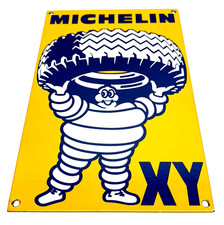
Think about where that sign may have hung. It could have welcomed travelers into a roadside gas station, advertised ice-cold drinks outside a neighborhood grocery store, or greeted customers walking into a tire shop nearly a century ago. Every scratch, chip, and faded edge tells part of that story.
That's why porcelain advertising signs continue to attract collectors around the world. They're not simply pieces of metal with colorful graphics.
They're surviving billboards from everyday history—objects that quietly witnessed changing towns, passing generations, and millions of people who never imagined someone would proudly display them in a collection one day.