
First Editions What Every Book Collector Should Know Before Buying
- Jul 2026
- The Hot Collector
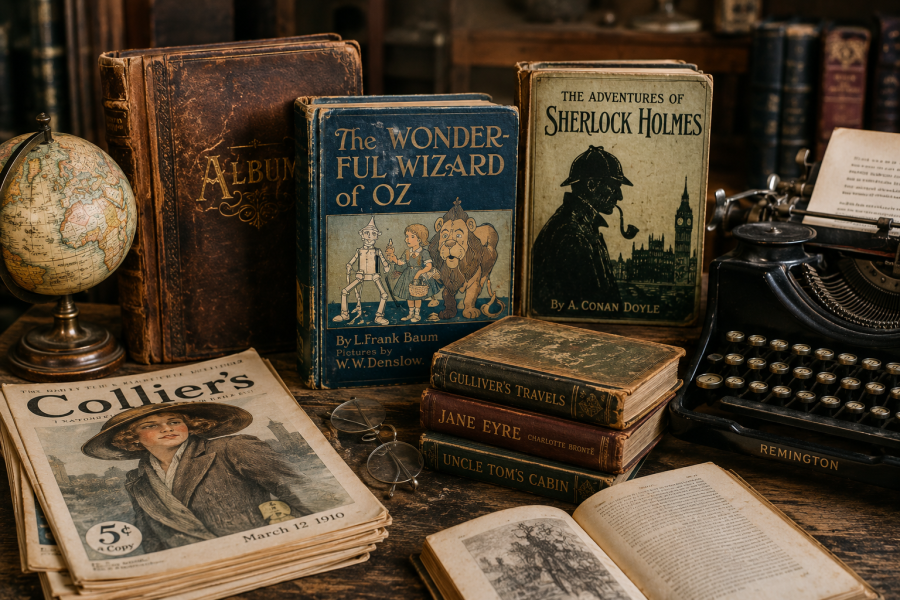
Walk into an estate sale and you'll almost always find a shelf full of old books. Most people flip through a few pages, admire the worn leather bindings, and move on. Collectors usually stop a little longer.
That's because one ordinary-looking book can sometimes be worth hundreds—or even thousands—of dollars.
One of the biggest misconceptions in book collecting is that age alone creates value. It doesn't. A hundred-year-old encyclopedia might only be worth a few dollars, while a much newer  first edition of a popular novel can command a surprising price. The story behind the book, its rarity, condition, and demand all play a role.
One of the first places experienced collectors look isn't the cover—it's the copyright page. That's where you'll often find clues about whether you're holding a first printing or a later edition. Every publisher uses different methods, so learning how to read those pages becomes one of the most valuable skills in the hobby.
Here's a tip many beginners overlook.
Always remove the dust jacket carefully and inspect both the jacket and the book separately. An original dust jacket in excellent condition can sometimes be worth more than the book itself. Tears, missing corners, price clipping, or modern reproduction jackets can dramatically affect collector value.
Most Popular on eBay





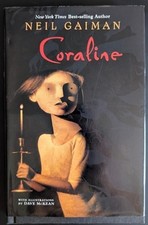


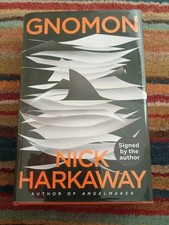


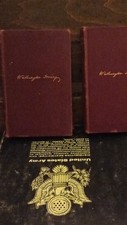


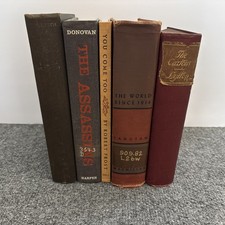
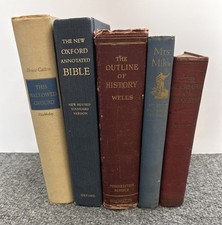


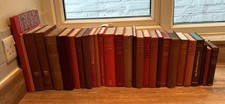
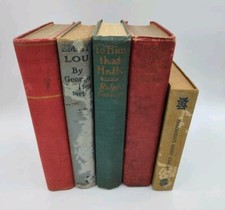



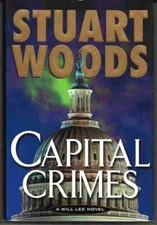

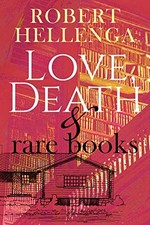
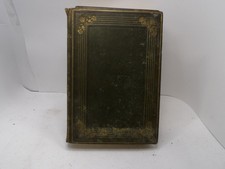


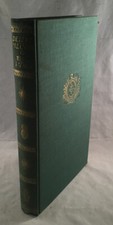
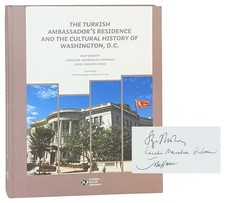


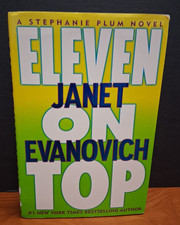
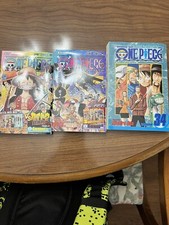


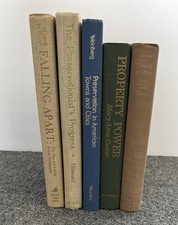
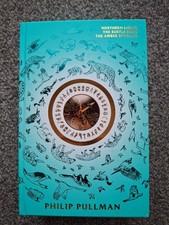




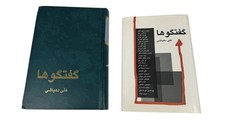

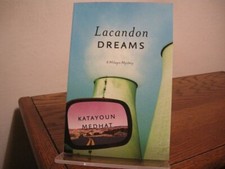


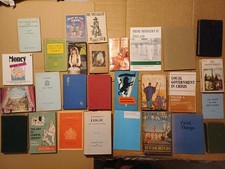


Another detail worth checking is whether the book has been repaired. Loose pages, re-glued spines, replaced endpapers, or amateur tape repairs are common on older books. While these repairs may help a book survive another generation, collectors generally prefer examples that remain as original as possible.
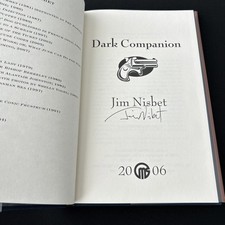
Collectors also enjoy hunting for personal touches left behind by previous owners. An old bookstore label, an inscription from the original owner, or even a forgotten newspaper clipping tucked inside can add character. A famous author's signature is obviously exciting, but sometimes an ordinary handwritten note can reveal just as much about the book's journey through time.
One fun part of this hobby is learning the language publishers used over the decades. Terms like first edition, limited edition, and book club edition may sound similar, but they can mean completely different things to collectors. Knowing the difference before making a purchase can save both money and disappointment.
If you're serious about collecting, carry a small flashlight and a magnifying glass when shopping. Good lighting helps reveal repaired bindings, erased pencil marks, water damage, and foxing—the small brown spots that commonly appear on older paper. None of these automatically make a book undesirable, but understanding them helps you make smarter buying decisions.
Books have always been meant to be read, which is exactly why so many collectible copies disappeared over the years. They were loaned to friends, carried on vacations, read by children, and sometimes forgotten in attics or donated to charity. Every surviving copy has its own history.
That's what makes book collecting so rewarding. You're not simply adding another title to a shelf.
You're becoming the next caretaker of a story that has already passed through many hands—and hopefully many more after yours.