
Roman Gold Coins: From Aureus to Solidus
Collector Quick Guide
What collectors look for
Original condition, age, maker marks, materials, completeness, unusual variants, and documented history usually matter most.
How to identify originals
Compare markings, construction details, finish, size, period-correct materials, and known design features before assuming authenticity.
Red flags / reproductions
Watch for reproductions, heavy restoration, replaced parts, fantasy pieces, unclear photos, and listings with vague descriptions.
Related collectibles
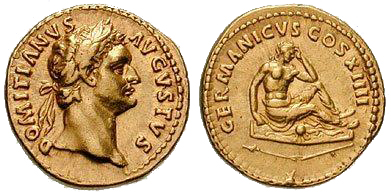
Uncover the remarkable story behind Roman gold coins, tracing their evolution from the Aureus to the Solidus, and explore their historical value and enduring appeal for avid collectors.
Roman gold coins, with their exquisite craftsmanship and historical significance, have captivated collectors for centuries. From the prestigious Aureus to the enduring Solidus, these ancient treasures offer a glimpse into the grandeur and power of the Roman Empire. The history of Roman gold coins spans several centuries, beginning with the introduction of the Aureus during the late Roman Republic. Julius Caesar played a significant role in standardizing Roman coinage, including the introduction of the Aureus in 46 BCE. The coin was initially valued at 25 silver denarii, representing a substantial sum of wealth. The Aureus became the primary gold coinage of the Roman Empire, used for trade, military payments, and showcasing imperial power.
Under the reign of Augustus, the first Roman Emperor, the Aureus gained even greater prominence. Augustus utilized the coin to solidify his authority and establish his dynasty. The obverse of the Aureus often featured the portrait of the emperor, symbolizing his divine status and promoting his image throughout the empire. The reverse designs varied, showcasing important events, mythological figures, and deities. Emperors like Nero, Trajan, and Hadrian continued the tradition, leaving behind a rich legacy of Aureus designs.
With the decline of the Western Roman Empire and the emergence of the Byzantine Empire, the Solidus replaced the Aureus as the primary gold coin. Emperor Constantine introduced the Solidus in 312 CE, and it remained the standard gold currency throughout the Byzantine era. The Solidus was slightly lighter than the Aureus but maintained its value and prestige. The coins featured Christian motifs, reflecting the growing influence of Christianity within the Byzantine Empire.
The Byzantine Empire, with its capital in Constantinople, witnessed the production of exceptional Solidus coins. Emperors such as Justinian I and Heraclius commissioned elaborate designs, emphasizing their authority and religious devotion. These coins often depicted the emperor wearing a crown, holding a cross, or accompanied by Christian symbols. The Solidus was known for its high gold content, purity, and durability, which contributed to its longevity and appeal to collectors.
Over time, the influence and reach of the Roman Empire declined, and so did the production of gold coins. The fall of the Western Roman Empire in 476 CE marked the end of the Aureus, while the Solidus continued to be minted in the Byzantine Empire until the 11th century. However, the legacy of Roman gold coins endured, as their historical significance and artistic beauty continued to captivate collectors and scholars.
Right now on eBay
 Aureus: The Golden Standard of Roman Currency on eBay
The Aureus, introduced by Julius Caesar in 46 BCE, was the backbone of Roman coinage for centuries. Struck in pure gold, these coins featured intricate designs, depicting emperors, gods, and important events of the time. The Aureus became a symbol of wealth and prestige, representing the might and authority of the Roman Empire. Collectors seek these coins not only for their artistic beauty but also for their historical significance, as they offer a tangible connection to the reigns of legendary emperors like Augustus, Nero, and Trajan.
Solidus: The Golden Successor on eBay
With the decline of the Western Roman Empire, the Solidus emerged as the dominant gold coin during the Byzantine era. Introduced by Emperor Constantine in 312 CE, the Solidus continued the tradition of the Aureus but with its distinct characteristics. The coins were slightly lighter and showcased Christian motifs, reflecting the influence of religion on Byzantine society. The Solidus maintained its value and prestige throughout the Byzantine Empire, and its durability ensured that many examples have survived to the present day, making them highly desirable for collectors.
Collectability and Rarity
Roman gold coins, particularly the Aureus, are highly sought after by collectors due to their scarcity and historical significance. The limited number of surviving coins adds to their allure, driving up their market value. Factors such as the coin's condition, rarity, and historical context greatly impact their collectability. Well-preserved examples with clear details and minimal wear command a premium among collectors, as they represent the best-preserved links to ancient Rome's golden era.
Unique Features and Designs
One of the intriguing aspects of Roman gold coins is their wide range of designs and motifs. The front, or obverse, typically featured the portrait of the ruling emperor, while the back, or reverse, displayed various symbols, including gods, allegorical figures, and important events. These intricate designs often carried political messages, propaganda, or celebrated military victories, providing a visual narrative of Roman history. Collectors appreciate the attention to detail and the artistry displayed on each coin, as they reflect the craftsmanship of ancient Roman minters.
Preserving the Legacy
To ensure the authenticity and preservation of Roman gold coins, collectors rely on reputable dealers and numismatic experts who specialize in ancient coins. Professional grading services assess the condition and authenticity of coins, providing collectors with confidence in their acquisitions. Proper storage and care are essential to maintaining the integrity and value of these precious artifacts, allowing them to be enjoyed for generations to come.
Conclusion:
Roman gold coins, from the Aureus to the Solidus, continue to enchant collectors with their rich history, remarkable craftsmanship, and enduring allure. These ancient treasures provide a tangible link to the grandeur of the Roman Empire, offering both a glimpse into the past and a valuable investment for passionate numismatists. With their scarcity, unique designs, and historical significance, Roman gold coins remain highly coveted, ensuring their place as coveted collectibles for generations to come.