
Understanding Lamination Errors in Coin Collecting
- May 2024
- Frank
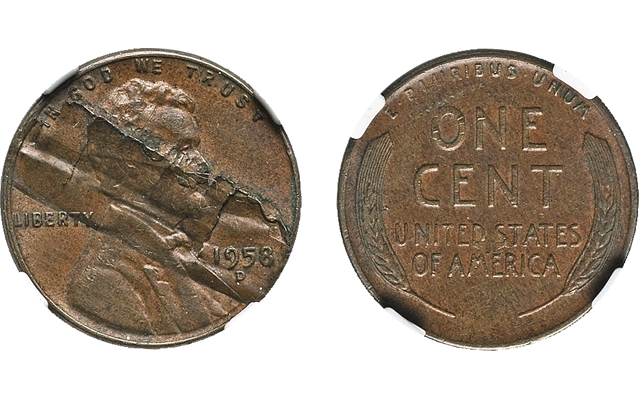
In the diverse world of coin collecting, error coins stand out as fascinating anomalies that provide insights into the complexities of the minting process. One particularly intriguing type of error is the lamination error, a defect that occurs when a coin's surface layer peels away due to impurities or inconsistencies in the metal. This type of error not only adds unique visual characteristics to a coin but also tells a story of the challenges faced during its production. Let’s delve into the specifics of lamination errors, exploring their causes, appearance, and the reasons why they are highly prized by collectors.
Lamination errors have been a part of coin minting for centuries. They occur when there are impurities, such as gas bubbles or foreign materials, trapped within the metal during the alloying process. These impurities create weak spots in the metal that can cause the surface layer, or lamination, to separate and peel away over time. This peeling can happen during the striking process or even after the coin has been in circulation, resulting in a range of appearances from minor flakes to large sections of missing metal.
In ancient coinage, lamination errors were relatively common due to the rudimentary metalworking techniques of the time. Coins from ancient Greece and Rome, for example, often exhibit various surface flaws, including lamination errors, providing a tangible connection to the technological limitations and artistic practices of early minting operations. These ancient lamination errors are valued not only for their rarity but also for their historical significance.
In modern coinage, lamination errors are less frequent thanks to improved quality control and more refined metalworking processes. However, when they do occur, they offer a fascinating glimpse into the minting process. Lamination errors typically manifest as raised or peeled sections on the coin’s surface. The peeling can reveal different layers of the metal, adding texture and depth to the coin’s appearance. The exposed areas may show a rough or granular texture, contrasting with the smoother, intact portions of the coin.
Collectors are particularly drawn to lamination error coins for several reasons. Firstly, their uniqueness makes them stand out. Each lamination error is different, with varying sizes, shapes, and locations of the peeled sections, making each affected coin a one-of-a-kind piece. This individuality adds a layer of intrigue and desirability, as collectors seek to find and showcase these unique flaws.
Right now on eBay
Secondly, the visual appeal of lamination errors cannot be understated. The peeled surfaces and exposed layers create a striking contrast that enhances the coin’s overall aesthetic. For collectors, these errors transform a standard coin into a miniature work of art, where the imperfections add character and beauty.
The rarity of lamination error coins also contributes to their collectibility. While modern minting processes aim for perfection, the occasional lamination error still slips through quality control. The scarcity of these errors makes them highly sought after, especially when the error is particularly dramatic or well-defined. Collectors value the challenge of finding these rare pieces and the satisfaction of adding them to their collections.
Moreover, lamination error coins offer educational value. Studying these coins helps collectors understand the physical properties of metals, the effects of impurities, and the stresses involved in the minting process. By examining lamination errors, collectors gain a deeper appreciation for the craftsmanship and technology that go into producing coins, as well as the complexities and potential pitfalls of the minting process.
In conclusion, lamination errors represent a captivating aspect of coin collecting. Their visual appeal, rarity, and the insights they provide into the minting process make them prized additions to any collection. Whether you are a seasoned numismatist or a newcomer to the hobby, the allure of lamination error coins is undeniable. These unique pieces not only enhance the diversity and value of a collection but also celebrate the intricate and sometimes imperfect journey of coin production.