
Wedgwood Jasperware
Collector Quick Guide
What collectors look for
Original condition, age, maker marks, materials, completeness, unusual variants, and documented history usually matter most.
How to identify originals
Compare markings, construction details, finish, size, period-correct materials, and known design features before assuming authenticity.
Red flags / reproductions
Watch for reproductions, heavy restoration, replaced parts, fantasy pieces, unclear photos, and listings with vague descriptions.
Related collectibles
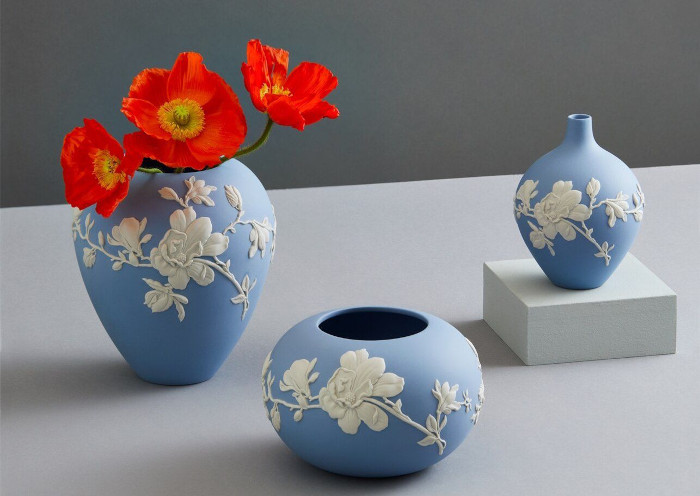
Wedgwood Jasperware is a renowned type of pottery created by the English potter Josiah Wedgwood in the late 18th century. Characterized by its matte finish, pale blue color, and relief decoration, Jasperware has become an iconic symbol of Wedgwood craftsmanship and innovation.
Josiah Wedgwood introduced Jasperware to the market in 1775, drawing inspiration from ancient cameo glass and pottery techniques. The unique composition of Jasperware, made from stoneware clay infused with color, allowed Wedgwood to produce intricate designs and detailed reliefs on the surface of the pottery. Collectors value Wedgwood Jasperware for its exquisite craftsmanship, historical significance, and enduring popularity. Pieces featuring classical motifs such as Greek and Roman mythology, neoclassical figures, and decorative borders are highly sought after by collectors around the world.
Right now on eBay
Wedgwood Jasperware holds a special place in the hearts of collectors due to its association with Wedgwood's legacy of innovation and design excellence. The timeless elegance of Jasperware, combined with its rich history and cultural significance, continues to captivate collectors and enthusiasts alike. The collectibility of Wedgwood Jasperware is influenced by factors such as the rarity of the piece, the quality of the relief decoration, and the condition of the pottery. Limited edition pieces, early examples, and items featuring intricate or unusual designs command higher prices in the collector's market.
While Wedgwood Jasperware is traditionally associated with the pale blue color, collectors also seek out pieces in alternative colors such as green, lilac, and black. Limited edition releases, commemorative pieces, and collaborations with renowned designers add depth to the range of collectible Jasperware items available to enthusiasts. Preserving Wedgwood Jasperware requires careful handling and storage to prevent damage to the delicate relief decoration and matte finish. Collectors often display their Jasperware pieces in cabinets or on shelves, allowing them to appreciate the beauty and craftsmanship of these iconic pottery pieces.