
The Intrigue of Incorrect Planchet Errors in Coin Collecting
- Jun 2024
- Kent Simmon
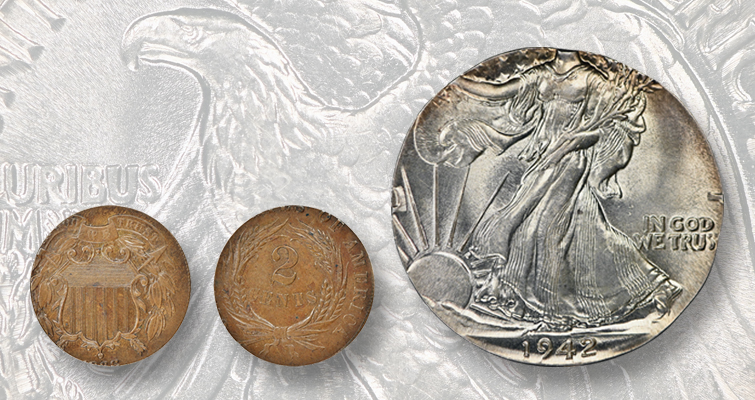
Coin collectors often find themselves drawn to the unique and unusual aspects of numismatics, and few things are as fascinating as incorrect planchet errors. These errors occur when a coin is struck on a planchet intended for a different denomination or even a different country. The result is a coin that defies expectations and offers a glimpse into the complexities of the minting process. Incorrect planchet errors have a long history, dating back to the early days of coin production. Before modern minting technologies and stringent quality controls, it was not uncommon for planchets to be mixed up, leading to coins struck on incorrect metal discs. Even today, despite advanced technology, these errors still occur, adding an element of mystery and excitement to the world of coin collecting.
An incorrect planchet error happens when a planchet meant for one type of coin is mistakenly fed into the press for another type of coin. For example, a dime might be struck on a planchet intended for a penny, resulting in a coin that has the design of a dime but the size, weight, and metal composition of a penny. These errors can occur due to simple human error or mechanical mishaps during the minting process. Collectors are particularly drawn to incorrect planchet errors because of their rarity and the curiosity they inspire. Each coin tells a story of how it came to be, providing a tangible connection to the minting process and its occasional failures. The distinctiveness of these errors makes them highly sought after by collectors who appreciate their historical and numismatic significance.
Identifying an incorrect planchet error requires a keen eye and some basic knowledge of coin specifications. Key indicators include discrepancies in size, weight, and metal composition compared to what is typical for the coin's design. For instance, if a coin with the design of a quarter is noticeably lighter or made of a different metal, it might be an incorrect planchet error. Verification by a professional numismatist or grading service can provide confirmation and add credibility to the find.
Right now on eBay
The value of incorrect planchet error coins varies widely, influenced by factors such as the severity of the error, the coin's rarity, and its condition. Coins with dramatic errors—like a silver-colored penny or a nickel-sized dime—tend to be more valuable. Additionally, incorrect planchets that affect significant parts of the design, such as the date or mint mark, can also command higher prices in the market. Collecting incorrect planchet errors is not only about the potential financial value but also about the thrill of discovery and the appreciation of minting anomalies. These coins offer a unique perspective on the coin production process and highlight the imperfections that make each coin unique. For collectors, incorrect planchet errors are a way to delve deeper into the history and craftsmanship of coin minting.
Preserving incorrect planchet error coins involves proper care and storage to maintain their condition and value. Collectors should handle these coins with care to avoid scratches or other damage and store them in protective holders or cases. Keeping them in a controlled environment can help prevent oxidation and other forms of deterioration. Incorrect planchet errors are a fascinating aspect of coin collecting, combining rarity, history, and the allure of the unknown. These coins provide a unique window into the minting process and the occasional mistakes that lead to extraordinary collectibles. For numismatists, incorrect planchet errors represent a captivating niche that adds depth and excitement to any collection.