
Etruscan Terracotta
Collector Quick Guide
What collectors look for
Original condition, age, maker marks, materials, completeness, unusual variants, and documented history usually matter most.
How to identify originals
Compare markings, construction details, finish, size, period-correct materials, and known design features before assuming authenticity.
Red flags / reproductions
Watch for reproductions, heavy restoration, replaced parts, fantasy pieces, unclear photos, and listings with vague descriptions.
Related collectibles
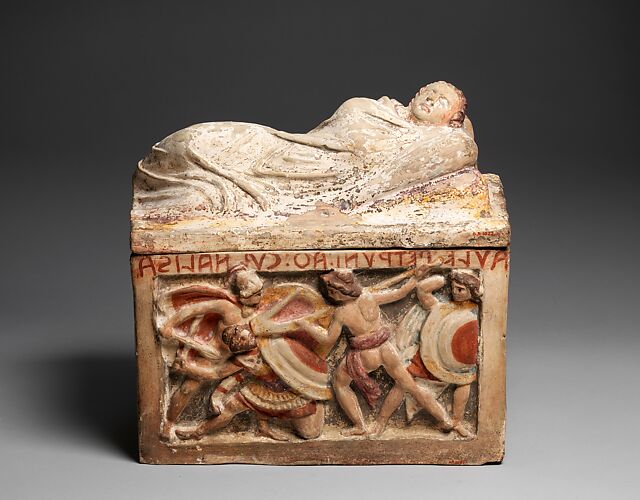
Etruscan Terracotta, nestled within the rich tapestry of Antiquities, unveils the mastery of ancient artisans and the cultural significance woven into each artifact. This term invites us to delve into the world of Etruscan pottery, a timeless testament to the artistry and narratives of an ancient civilization.
Etruscan pottery, crafted by the Etruscan civilization flourishing in ancient Italy, transcends utilitarian purposes. Each terracotta piece becomes a canvas for intricate designs, reflecting the aesthetics and beliefs of a bygone era. From ornate vessels adorned with mythical scenes to finely sculpted figurines, Etruscan Terracotta encapsulates the essence of a civilization's artistic expression.
Right now on eBay
The allure of Etruscan Terracotta extends beyond its visual appeal; it serves as a cultural archive. The depictions of daily life, religious ceremonies, and mythological tales provide modern-day enthusiasts with glimpses into the Etruscan worldview. Collectors and historians alike cherish these artifacts not only for their artistic merit but also for the insights they offer into the lives and beliefs of an ancient people.
As we immerse ourselves in the world of Etruscan Terracotta, we unravel not just pottery but a narrative thread connecting us to the artisans and stories of a distant time. Stay tuned for deeper insights into the craftsmanship, symbolism, and enduring legacy of Etruscan Terracotta.