
The Fascinating World of Civil War Tokens: Small Coins with Big Stories
- Jul 2026
- The Hot Collector
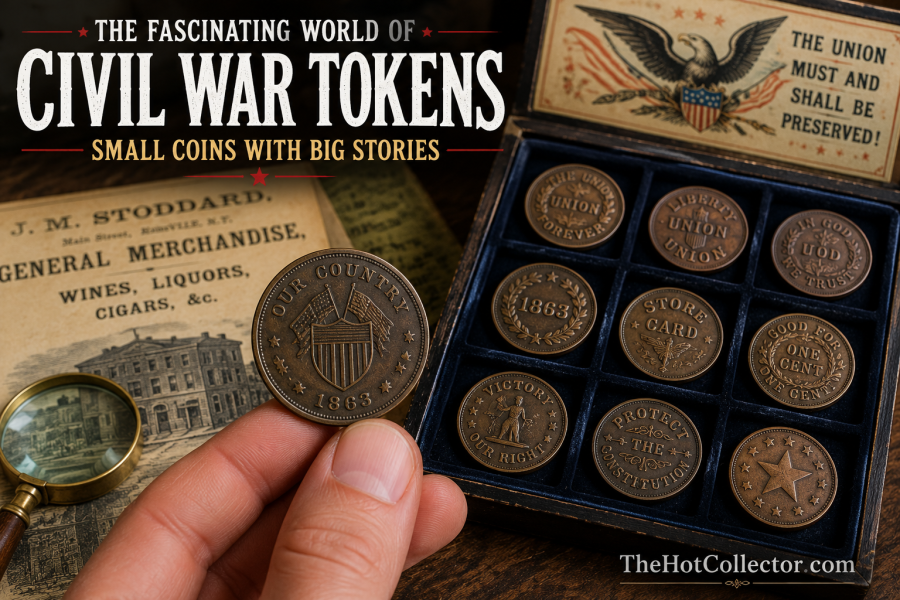
At first glance, a  Civil War token might look like an ordinary old penny. It's roughly the same size, made from similar metals, and often darkened by more than 160 years of age. But once you look a little closer, you realize you're holding something very different.
These tokens weren't issued by the United States Mint. They were created by private businesses and patriotic organizations during one of the most uncertain periods in American history. As government-issued coins disappeared from circulation, merchants needed a practical solution. The answer came in the form of privately struck tokens that could be spent just like small change.
That's one reason collectors enjoy them so much today.
Every token represents a real business, a real community, or a patriotic message that circulated through American towns during the Civil War.
One of the first things experienced collectors inspect is the strike quality. Because these tokens were produced by different manufacturers using different equipment, the sharpness of the lettering and designs can vary considerably. A well-struck example with crisp details is usually more desirable than one with weak lettering or flattened features.
Another detail worth checking is the edge.
Some tokens have plain edges, while others feature reeded or decorative edges. Those small differences help identify specific varieties and can make one token significantly scarcer than another.
Right now on eBay

1863 Civil War Token
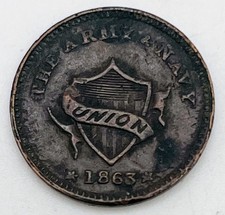

1863 Patriotic Civil War Token 95/368


1863 Patriotic Civil War Token 11/271

1863 CIVIL WAR Patriotic Token ARMY & NAVY

1863 CIVIL WAR Patriotic Token ARMY & NAVY

1863 Patriotic Civil War Token 54/179

1863 Patriotic Civil War Token 1/391

1863 Patriotic Civil War Token 48/299a
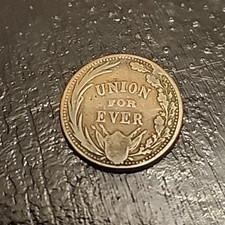
1863 Civil War Token “Union For Ever” Patriotic Coin Copper Exonumia Ungraded



1863 CWT Civil War Token Store Merchant Coin E. H. Sheldon Buy Your Hardware Ad

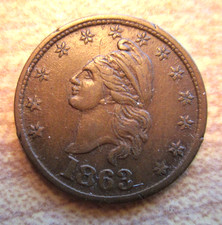
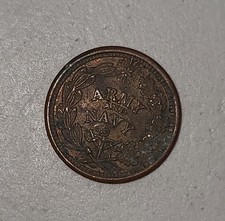
1863 Patriotic Civil War Token
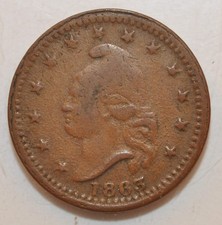
1863 Patriotic Civil War Token 10/298
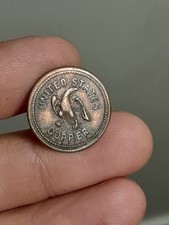
Civil War Token CWT, Store Card, "IOU One Cent" 1863

1863 Patriotic Civil War Token 16/300
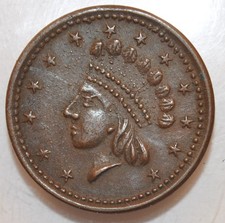
1863 Patriotic Civil War Token 51/334
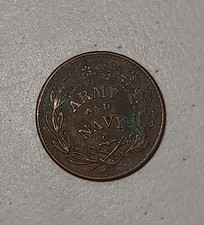
1863 Patriotic Civil War Token

1863 Patriotic Civil War Token 48/343a

1863 Patriotic Civil War Token 13/297

1863 Philadelphia Civil War Token **RARE Coin** Steppacher Agt Orleans House

1863 Patriotic Civil War Token 6b/310
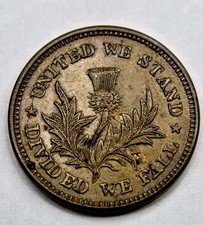


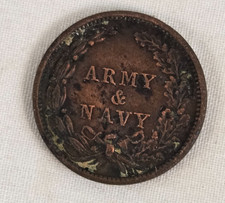
1863 United States CIVIL WAR PATRIOTIC LIBERTY Token ARMY NAVY Cent Coin

1864 Civil War Token, Union for Ever 1864, TC-610012
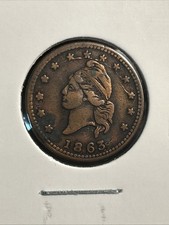
1863 Civil War Token. Army & Navy, Dark Chocolate In Color. Cool Coin!

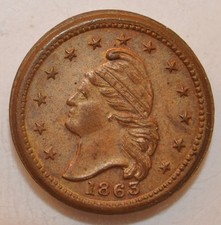
1863 Patriotic Civil War Token 22/418


1863 CIVIL WAR UNION MUST BE PRESERVED PATRIOTIC TOKEN UNCIRCULATED F-178/266a

1863 Not One Cent Civil War Token "F" *Free S/H After 1st Item*
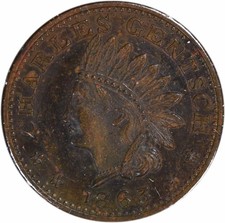
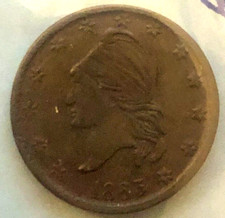
1863 CIVIL WAR Patriotic Army & Navy TOKEN #15/300
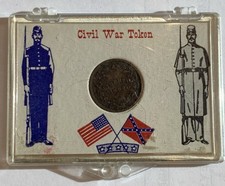
1863 CIVIL WAR TOKEN LIBERTY, UNION COPPER COIN WITH BOARD
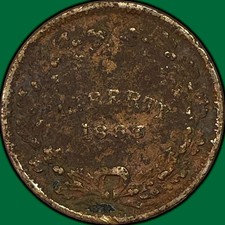
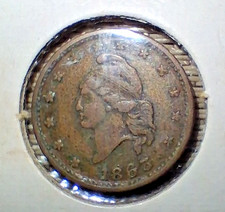
RARE - 1863 United States CIVIL WAR Token LIBERTY ARMY & NAVY Coin
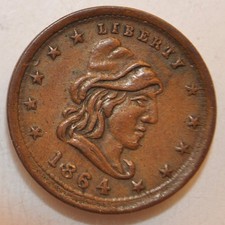
1864 Patriotic Civil War Token 46/339


1863 Patriotic Civil War Token 10/248
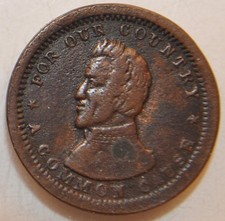
1863 Patriotic Civil War Token 135/441


1863 Patriotic Civil War Token 12/297
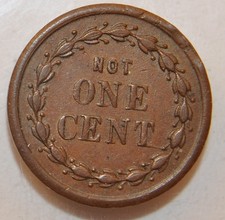
1863 Patriotic Civil War Token 247/379
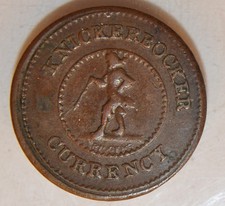
1863 Patriotic Civil War Token 37/255


1863 Patriotic Civil War Token 11/312a
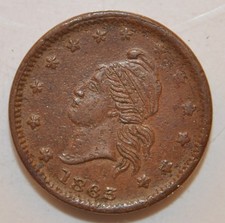
1863 Patriotic Civil War Token 7/315
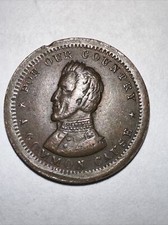
Rare - Authentic Civil War Token Coin 1863 For Our Country Now and forever

1863 Civil War Token Coin The Flag Of Our Union Army And Navy #391
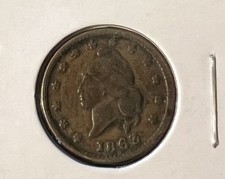
1863 ARMY NAVY CIVIL WAR TOKEN GRADES VERY FINE ACTUAL COIN #10258
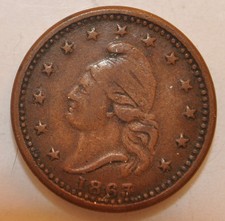
1863 Patriotic Civil War Token 23/306


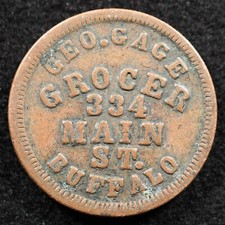
United States Civil War Token Grocer Buffalo 1863, Token, Coin, Inv#E694

1863 Patriotic Civil War Token REMEMBRANCE OF 1863

1863 Patriotic Civil War Token 8/314

USA Civil War Token~ Union For Ever 1863~* XF Coin/Token

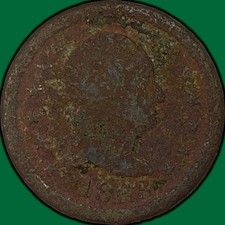

1863 Civil War Patriotic Token #x1413

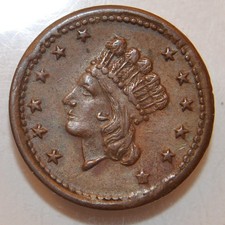
1863 Patriotic Civil War Token 54/335

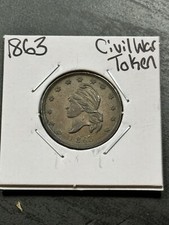

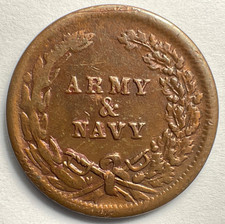
1863 Liberty Head “Army & Navy” Patriotic Civil War Store Card Token 18.9mm 3.1g

1863 Patriotic Civil War Token 6/268

1863 Civil War Token 1 Cent
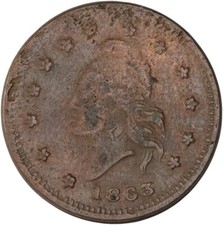


CIVIL WAR 1863 TOKEN NOT ONE CENT
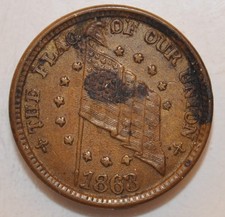
1863 Patriotic Civil War Token 207/409

1863 Patriotic Civil War Token 80/351

1863 Civil War Token A8654

1863 Patriotic Civil War Token 17/388
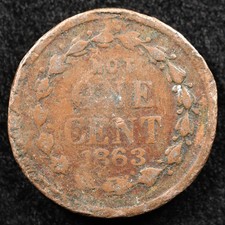
United States Civil War Token 1863, Token, Coin, Not 1 Cent 1863, Inv#I864
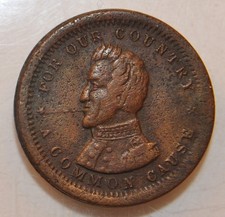
1863 Patriotic Civil War Token 135/440a
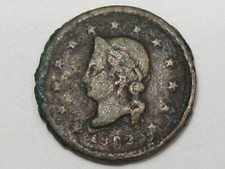
1863 US Civil War Token: Store Card. #16

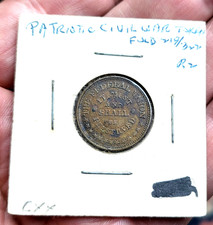
Antique 1863 Patriotic Civil War Token, Army Navy, Federal Union Motto, US Coin

1863 UNION OUR CARD Civil War LIBERTY HEAD TYPE NICE COPPER TOKEN RARE HIGH GRAD

1863 Civil War Token - Army and Navy Coin
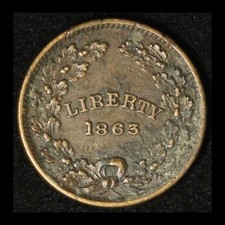

1863 CIVIL WAR PATRIOTIC TOKEN -PRO UNION COPPER COIN GREAT HISTORY PIECE 🔥

1863 Patriotic Civil War Token, Liberty and Army & Navy

1863 Civil War Token - Army and Navy Coin

1863 1c Not One Cent Civil War Token Genuine Original Circulated *K948

1863 "Not One Cent" Patriotic Civil War Token ~ Circulated

1863 Civil War Storecard Token

Many newcomers focus only on the date, but seasoned collectors spend just as much time reading the wording on the token itself. Patriotic Civil War tokens often display slogans promoting the Union, liberty, or the Constitution, while store card tokens advertise local merchants, pharmacies, dry goods stores, and other businesses that once served their communities.
One mistake beginners make is cleaning them.
A shiny token may look attractive to an inexperienced buyer, but cleaning usually removes the natural surface that collectors expect to see. Even light polishing can reduce desirability. Honest age, original color, and untouched surfaces are almost always preferred.
One fun aspect of collecting Civil War tokens is researching the businesses that issued them. Some merchants operated for only a few years before disappearing, while others grew into successful companies long after the war ended. Finding a token from a small-town shop and uncovering its history can be just as rewarding as owning the token itself.
If you're browsing an antique store or coin show, bring a small magnifying loupe. Tiny die cracks, lettering differences, and minting characteristics are often too small to notice with the naked eye, yet they can help distinguish a common variety from one that's much harder to find.
That's what makes Civil War tokens so fascinating.
They aren't just collectible pieces of copper.
They're emergency money that kept local economies moving during one of America's most difficult chapters, and every surviving token still carries the story of the hands that once spent it over 160 years ago.