
The Mystery of Unstruck Blanks in Coin Collecting
- Jun 2024
- Kent Simmon
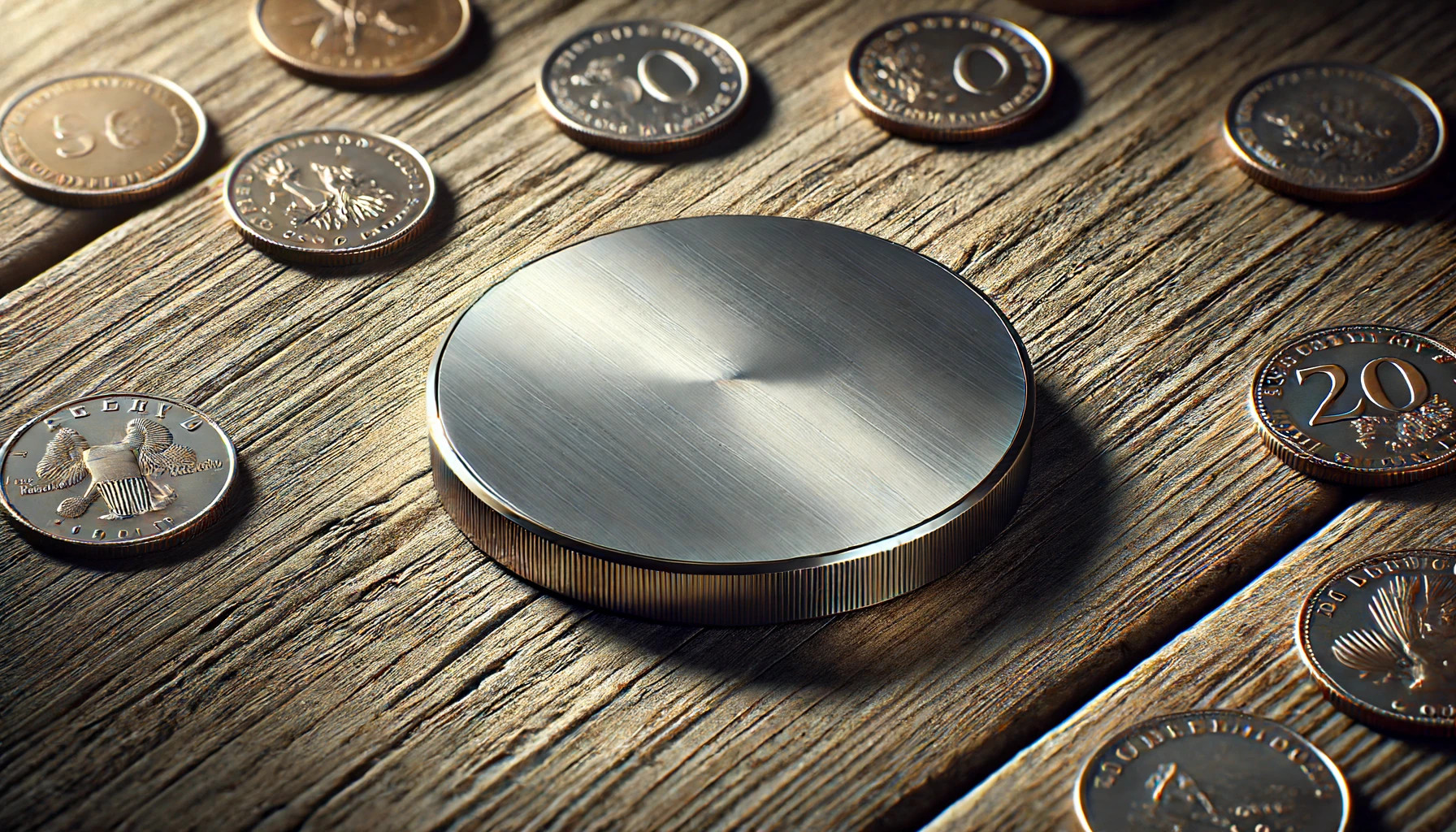
Unstruck blanks are a unique and captivating type of mint error that fascinate coin collectors. These errors occur when a planchet—the metal disc intended to become a coin—passes through the minting process without receiving an imprint. The result is a blank piece of metal that has the potential to be a coin but lacks any design, date, or denomination. The history of unstruck blanks dates back to the earliest days of coin production. In ancient times, coins were hand-struck, and it was not uncommon for a blank to escape the striking process. Even with the advent of mechanized minting and stringent quality control measures, unstruck blanks still occasionally slip through, making them intriguing finds for collectors.
An unstruck blank can be a complete blank or a type of blank known as a "planchet." A complete blank is a simple metal disc with no raised rim, while a planchet has a raised rim created during the upsetting process, which prepares the blank for striking. These blanks can come from any stage of the minting process and may vary in size, shape, and composition depending on the intended coin. Collectors are drawn to unstruck blanks for their rarity and the mystery they represent. Each unstruck blank tells a story of a moment in the minting process when something went awry, allowing the blank to escape without being transformed into a coin. For many collectors, the appeal lies in the blank's potential—what it could have become if it had been struck.
Identifying an unstruck blank requires careful examination. True unstruck blanks will have smooth surfaces and, in the case of planchets, a raised rim. They should not exhibit any signs of wear or damage that would indicate they were once coins that lost their design through circulation or tampering. Collectors should also be cautious of counterfeit blanks, which are sometimes created to deceive buyers.
Right now on eBay
The value of unstruck blanks varies based on several factors, including the type of blank, the metal composition, and the coin it was intended to become. Blanks intended for rare or high-denomination coins tend to be more valuable. For example, an unstruck blank meant for a gold coin will generally fetch a higher price than one intended for a common copper cent.
Collecting unstruck blanks offers a unique challenge and reward. These errors provide a tangible connection to the minting process and its occasional imperfections. For many collectors, finding an unstruck blank is like uncovering a hidden treasure—a piece of the minting puzzle that escaped the usual fate. Preserving unstruck blanks involves proper handling and storage. These blanks should be kept in protective holders or cases to prevent scratches and other damage. Since they lack the design features of struck coins, unstruck blanks can be more vulnerable to wear and tear. Proper care ensures that their unique characteristics remain intact for future collectors to appreciate.
Unstruck blanks are a fascinating niche within the world of coin collecting. They offer a glimpse into the minting process and the rare moments when things don't go as planned. For collectors, unstruck blanks are a testament to the unpredictability of coin production and the endless possibilities that each blank represents.