
Tetradrachm
Collector Quick Guide
What collectors look for
Original condition, age, maker marks, materials, completeness, unusual variants, and documented history usually matter most.
How to identify originals
Compare markings, construction details, finish, size, period-correct materials, and known design features before assuming authenticity.
Red flags / reproductions
Watch for reproductions, heavy restoration, replaced parts, fantasy pieces, unclear photos, and listings with vague descriptions.
Related collectibles
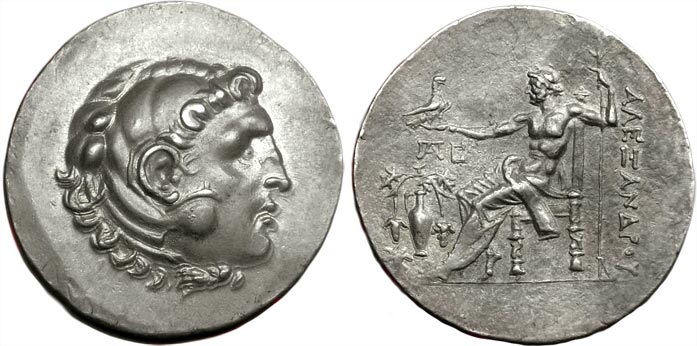
The Tetradrachm is a notable ancient Greek silver coin that holds immense historical significance and collectibility among numismatists and ancient history enthusiasts. Originating in the 6th century BCE, the Tetradrachm was widely circulated across various Greek city-states and empires, serving as a key medium of exchange in commerce and trade. The Tetradrachm was first introduced by the city-state of Athens and later adopted by other Greek city-states, including Corinth, Thebes, and Syracuse. These coins were struck with intricate designs and symbols representing the respective city's cultural and political identity, often featuring mythological figures, deities, or important civic symbols.
Tetradrachms are highly sought after by collectors for their historical significance, artistic craftsmanship, and tangible connection to ancient civilizations. Collectors are drawn to Tetradrachms for their intricate designs, historical context, and the thrill of owning a piece of ancient history. Variations in design, minting techniques, and historical context contribute to the diversity and collectibility of Tetradrachms. Collectors are captivated by the Tetradrachm's role in ancient Greek society, where it served as a symbol of wealth, power, and cultural identity. Owning a Tetradrachm allows collectors to connect with the rich tapestry of ancient history and appreciate the artistry and craftsmanship of ancient coinage.
Right now on eBay
The collectibility of Tetradrachms is influenced by factors such as their condition, rarity, provenance, and historical significance. Well-preserved examples with minimal wear and clear designs command higher prices in the collector's market, especially if they come from renowned mints or feature unique variations. Tetradrachms from different Greek city-states and empires showcase a wide range of designs and motifs, reflecting the cultural diversity and artistic creativity of the ancient world. Notable variants include Athenian Tetradrachms featuring the iconic owl of Athena, Corinthian Tetradrachms depicting the mythological figure of Pegasus, and Syracusan Tetradrachms featuring the nymph Arethusa.
Preserving the condition of Tetradrachms requires careful storage and handling to prevent damage from environmental factors such as humidity, temperature fluctuations, and chemical reactions. Many collectors use protective holders or display cases to showcase their Tetradrachms while safeguarding them from potential harm.