
Vintage Carnival Tickets
Collector Quick Guide
What collectors look for
Collectors look for unused ticket strips, vibrant colors, unusual ride names, and complete books of tickets. Tickets from well-known amusement parks or long-gone traveling carnivals are especially desirable.
How to identify originals
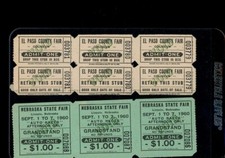
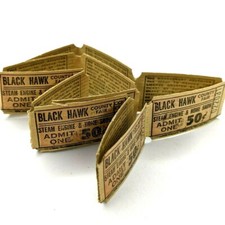
Original tickets are typically printed on thin cardstock or colored paper with period typography, sequential numbering, and perforated edges. Some include the name of the carnival, fair, or ride operator.
Red flags / reproductions
Watch for modern reproductions printed on bright white paper, artificially aged ticket books, or digital reprints. Genuine wear should appear natural, especially around perforations and folds.
Related collectibles
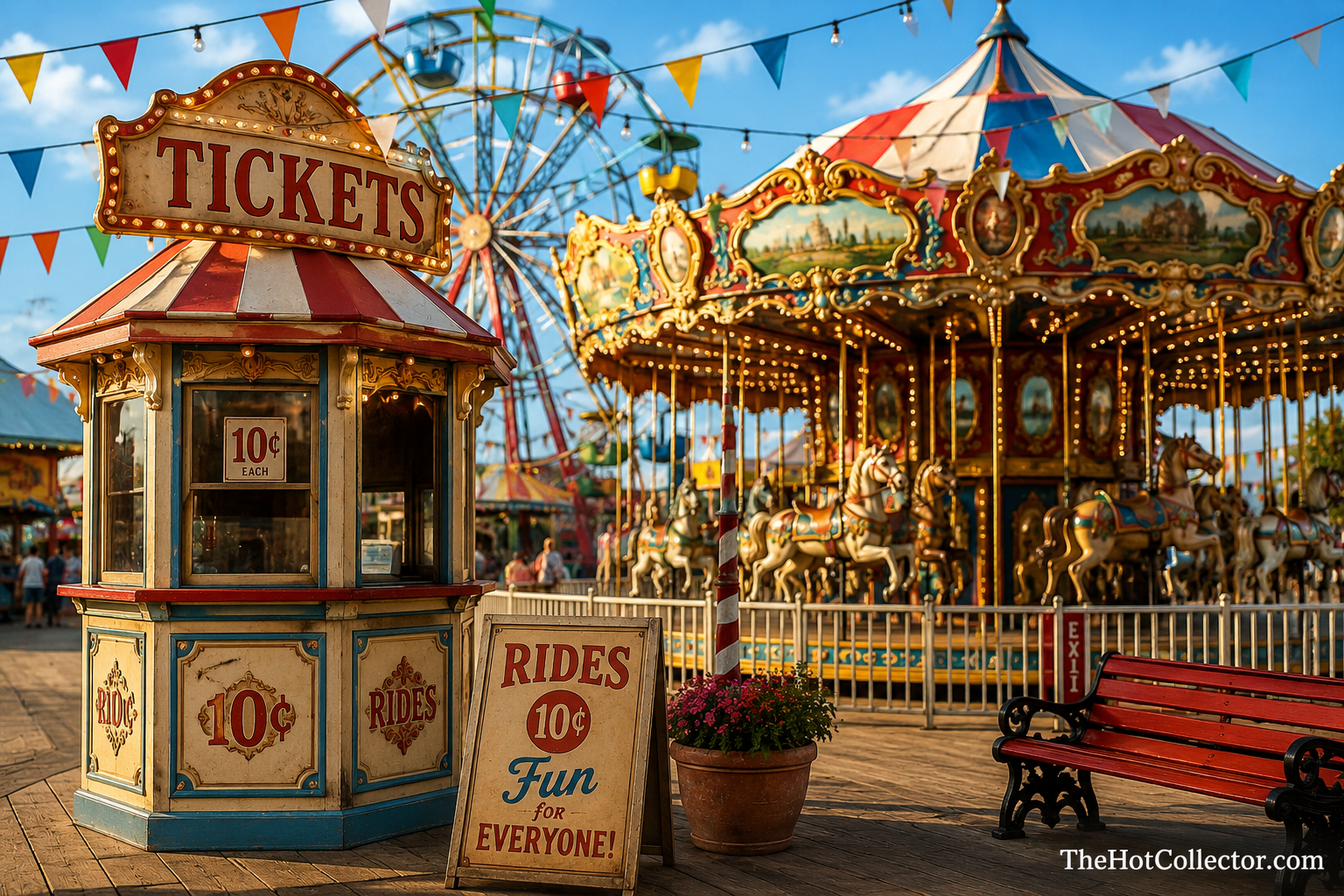
Long before digital wristbands and barcode scanners became the standard, a small paper ticket represented the excitement of a day at the fair. Whether tucked into a shirt pocket, clutched tightly by an excited child, or handed across the window of a colorful ticket booth, Vintage Carnival Tickets were the first step toward a carousel ride, a Ferris wheel adventure, or a chance to win an oversized prize. Though inexpensive and meant to be discarded, these tiny pieces of paper have become cherished collectibles that capture the sights, sounds, and excitement of a bygone era.
Carnivals and fairs have entertained communities for centuries, but traveling amusement companies flourished throughout North America during the late nineteenth and twentieth centuries. Each season brought colorful midway attractions, games of chance, food vendors, and mechanical rides to towns large and small. Ticket systems helped operators manage crowds while allowing visitors to purchase individual rides or books of tickets that could be used throughout the day. Every carnival developed its own designs, often using bold typography, colorful inks, serial numbers, and unique wording that reflected its personality.
Today, collectors appreciate these tickets because they preserve moments that were never intended to last. Many document amusement parks and traveling shows that disappeared decades ago, making surviving examples some of the only physical reminders of those attractions. Ticket books that remain intact are especially appealing because they illustrate how rides were sold and marketed, while individual ticket stubs often tell the story of a memorable day spent with family and friends.
Another reason these collectibles remain popular is their accessibility. Unlike many entertainment collectibles that require significant investment, vintage carnival tickets allow new collectors to own authentic pieces of amusement history without needing a large budget. As interest in amusement park history continues to grow, these colorful fragments of paper have earned an important place among collectors of entertainment memorabilia.
Right now on eBay


Vintage 1980 Louisiana State Fair Tickets & 2 Wooden Nickels 75th Year Authentic
Used



Vintage Fair Tickets 🎫 1980s Ozark Empire Fair 1984 County Fair Carnival
Used
1937 Wisconsin State Fair Tickets Automobile Car Milwaukee Mile Midget Races Vtg
Used

Chicago Railroad Fair Tickets 1949 and a Postcard. Historical Fair Memorabillia
Used
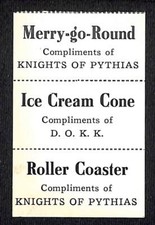
Merry-go Round Roller Coaster Ice Cream Fair Tickets Pythias D.O.K.K c1940's VGC
Unspecified

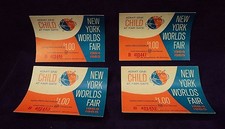
New York World's Fair Tickets, Stamp, Courier Express Truax Travel Center
Used



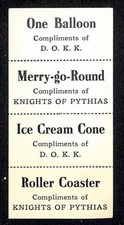
Merry-go Round Roller Coaster Balloon Fair Tickets Pythias D.O.K.K c1940's VGC
Unspecified


1984 Press Photo Patrons wait in line for World's Fair Tickets at City Gate
Unspecified

1982 Vintage IOWA STATE FAIR Tickets Admit One and Vehicle Lot of 4 Attached
Used


Oklahoma Letters, Tulsa World Map, Tulsa Fair Tickets, Univ. of Tulsa Bookstore

Vintage Fair Tickets 🎫 Greenfield Free Fair X3 Antique County Fair Tickets EUC
Used

5 State Fair Tickets For Sale With Parking Pass
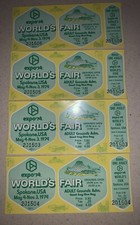
WORLD'S FAIR TICKETS 1974 SPOKANE *UNUSED* 4 PCS EXCEL.COND.PAPER EPHEMERA
New


6 unused, uncirc., 1982 Knoxville, TN World's Fair tickets + used Sunsphere
New

1970 Maine Knox County Fair Tickets Agricultural Print Ephemera 1877-1889
Used


1933 and 1934 World's Fair Century of Progress Ticket Stubs and Fair Tickets
Used
c1960s Black Hawk County Iowa Fair Tickets Steam Engine Home Show Toledo LOT 2P
Used

Antique Set of 2 New Hampshire Grange 1899 State Fair Tickets Vintage
Unspecified

Vtg 1984 New Orleans Worlds Fair Tickets 4 Louisiana World Exposition Nola
Used


1940 US New York World’s Fair Tickets Must Be Presented With Identification Card


Maniology Nail Art Stamping Plate - Fun Fair: Tickets to Fun MXM094
New without box

Maniology MXM094 Fun Fair Tickets To Fun Circus December 2022 Nail Stamp Plate
New without box
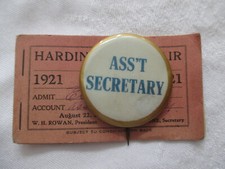
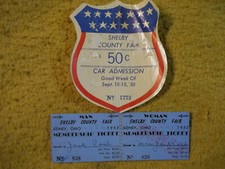
1953,SHELBY COUNTY,FAIR,TICKETS,SIDNEY OHIO & 1950 CAR ADMISS.SEPT.10-15.1950
Used
![[ALNST] Official Alien Stage Top 6 Fair Tickets - MiziSua on The Hot Collector](https://i.ebayimg.com/images/g/EEIAAeSwTgZovL9G/s-l225.jpg)




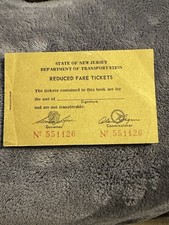
State Of New Jersey Department Of Transportation, Reduced Fair Tickets Book🔥
New

5 Consecutive Vintage 20 Cent Santa Cruz Seaside Co Beach Boardwalk Ride Tickets
Used
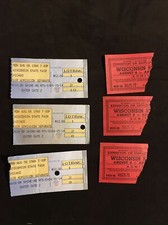
Lot of 3 Chicago Band Wisconsin State Fair Concert & Employee Fair Tickets


Lot of 9 Lac Qui Parle County Agricultural Society Fair Tickets. (1973-1984)
Used


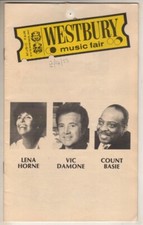
Lena Horne, Count Basie, Vic Damone Playbill 1977 Westbury Music Fair TICKETS

1982 Worlds Fair Tickets Set of 10 Knoxville TN Bright Clear Graphics In Great
Used
Fairground Sign Vintage Fun Fair Tickets Sign Tickets Here Sign Box Office Sign
New


New York Worlds Fair 1940 map GM 1965 Expostion booklet,state fair tickets 1935
Used
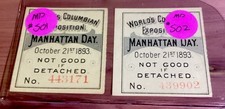


Austria 2006 Lot 14 Trade Fair Tickets


1964 Press Photo JA fair tickets held by Patsy Zimmermann and Robert Whitehouse
Unspecified

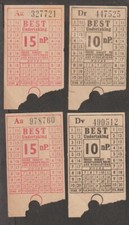
BEST Undertaking Bus fair tickets 10rs & 15rs

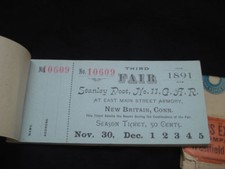
GAR NEW BRITAIN CONNECTICUT ~ BOOK OF FAIR TICKETS W/ MAILING ENVELOPE
Unspecified
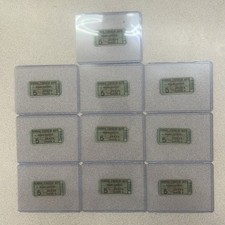
Ten 1904 St. Louis World’s Fair Tickets-Unused-German Tyrolean Alps-Magic Grotto
Used

Brussels World's Fair Tickets, Roger & Gallet Perfume Album, Norddeutscher Lloyd
Unspecified

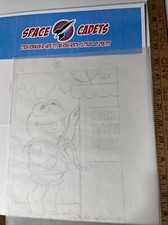
Original Comic Art Muppet Babies Jim Henson Nate Butler Kermit Fair Tickets
New

Original 1969 Woodstock Music & Art Fair Tickets Professionlly Framed All 3 Days
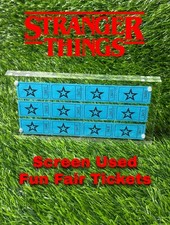
Authentic Stranger Things Screen Used “Fun Fair” Tickets Prop
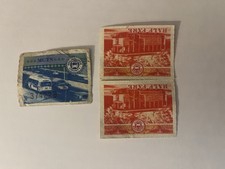
Vintage Milwaukee Public City Transportation Bus Fair, Half , Full Fair Tickets
Used

Disney 25 Anniversary 70 Disneyland Pin Plus Fair Tickets
Because carnival tickets were designed to be used once and thrown away, relatively few survived in excellent condition. Most were torn at the perforation, folded into pockets, exposed to weather, or discarded after the day's festivities ended. As a result, complete books of unused tickets often generate far more interest than individual stubs, particularly when they retain their original covers and sequential numbering. Collectors frequently organize their collections by carnival company, amusement park, state fair, or graphic design style.
One feature experienced collectors pay close attention to is the printing method. Earlier tickets often display beautiful letterpress printing, rich ink colors, and subtle impressions left by the printing press itself. These details can help distinguish authentic examples from modern reproductions. Natural aging usually appears as slight yellowing, edge wear, or soft creases rather than artificially darkened paper or intentionally distressed surfaces.
Regional history also plays a significant role in the hobby. A simple ticket from a long-forgotten county fair or independent amusement park can be far more desirable than one from a nationally recognized attraction because so few examples survived. Collectors often enjoy researching the fairs, rides, and operators named on the tickets, turning each piece into a small historical document that connects people with local traditions and community celebrations.
Whether framed alongside circus posters, displayed with carousel memorabilia, or preserved in archival albums, vintage carnival tickets continue to evoke memories of laughter, music, bright lights, and summer evenings spent on the midway. They may be small in size, but they preserve a remarkable chapter of entertainment history, reminding collectors that even the simplest everyday objects can become treasured pieces of the past.