
Player Pianos
Collector Quick Guide
What collectors look for
Collectors look for player pianos with original mechanical components, intact pneumatic systems, recognizable maker names, attractive cabinetry, and as much original hardware as possible. Working examples are especially desirable, but complete non-working pianos can still appeal to restorers and mechanical-music collectors. Original rolls, documentation, benches, and accessories can also add interest and value.
How to identify originals
Check the manufacturer name, serial number, internal player mechanism, cabinetry, hardware, and any factory labels or patent markings. Original player pianos generally show period-correct construction and mechanical components that match the age of the instrument. Replaced pumps, tubing, motors, or refinished cabinets are common, so collectors should compare the piano with known examples from the same maker and period.
Red flags / reproductions
Watch for heavily altered mechanisms, missing player components, modern replacement parts presented as original, poorly refinished cabinets, and incomplete pneumatic systems. A piano that looks complete externally may have major internal parts removed or replaced. Structural damage, cracked soundboards, water damage, and extensive restoration can also greatly affect collectibility and repair costs.
Related collectibles
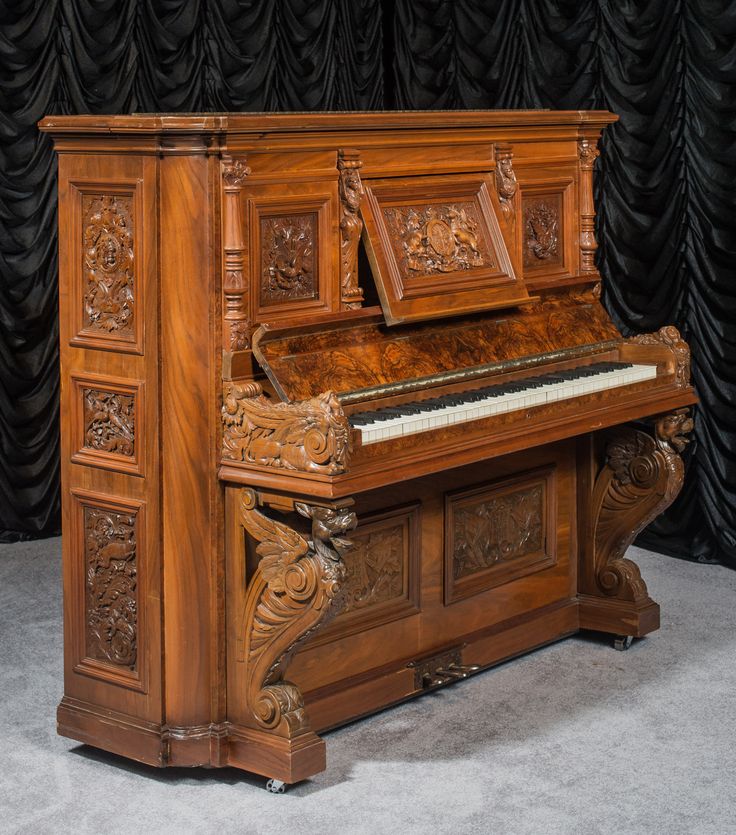
The player piano, a remarkable fusion of music and mechanics, has captivated collectors and enthusiasts for over a century. These self-playing pianos, also known as pianolas, were a popular form of home entertainment in the late 19th and early 20th centuries, offering a way for people to enjoy live music without needing to know how to play an instrument. Today, player pianos are treasured as both musical instruments and mechanical marvels, and they hold a special place in the world of vintage collectibles.
The player piano was invented in the mid-19th century, but it gained widespread popularity around 1900 when advances in pneumatic technology made it more accessible to the public. The player piano operates by reading perforated rolls of paper, with each hole representing a note. When air is pumped through the system (either manually or by an electric motor), it triggers a mechanism that strikes the corresponding piano key, creating music. This ingenious design allowed anyone to enjoy a wide repertoire of music, from classical pieces to popular songs of the day.
At the height of their popularity, player pianos were found in homes, saloons, and public venues across the United States and Europe. They were often regarded as status symbols, and families would gather around them to listen to the latest tunes. Music rolls, which contained the pre-programmed songs, were sold separately and covered a wide variety of genres, from ragtime and jazz to classical symphonies. Some player pianos also allowed for manual playing, giving musicians the option to perform live when desired.
The craftsmanship of player pianos is one of the main attractions for collectors today. These instruments were often beautifully crafted, with elaborate wooden cases, intricate carvings, and attention to detail that reflected the era’s high standards of furniture-making. Brands like Steinway, Aeolian, and Kimball became synonymous with quality, producing player pianos that were both functional and visually stunning. In many cases, the exterior design of a player piano is just as valuable to collectors as the internal mechanics.
Right now on eBay
The mechanics of a player piano are a wonder in themselves. The pneumatic system, operated by foot pedals or electric motors, was a sophisticated engineering feat for its time. The way in which the piano “reads” the paper roll and translates it into music is a delicate process, requiring precise alignment and calibration. Restoring and maintaining player pianos can be a labor of love, as the rubber tubing, bellows, and other mechanical parts often need repair or replacement due to age. Many collectors take pride in restoring these old instruments to their former glory, preserving their historical and mechanical significance.
The appeal of player pianos to collectors lies not only in their mechanical innovation but also in their connection to a bygone era of home entertainment. Before the widespread availability of radios, phonographs, and other modern music players, the player piano provided families with hours of musical enjoyment. Today, player pianos evoke a sense of nostalgia for a simpler time when music was a central part of social gatherings.
In the collector’s market, player pianos vary greatly in value depending on their condition, brand, and historical significance. Fully restored player pianos in working condition can command high prices, particularly if they come from a prestigious manufacturer or have rare features. Music rolls, especially those featuring famous artists or composers, are also collectible, with certain rolls fetching high prices at auctions.
Player pianos remain a symbol of ingenuity and craftsmanship, blending the worlds of music and machinery in a way that still fascinates collectors today. Whether they are appreciated for their rich sound, beautiful design, or mechanical complexity, player pianos continue to charm music lovers and antique enthusiasts alike.