
Alexandrite Gemstone
Collector Quick Guide
What collectors look for
Original condition, age, maker marks, materials, completeness, unusual variants, and documented history usually matter most.
How to identify originals
Compare markings, construction details, finish, size, period-correct materials, and known design features before assuming authenticity.
Red flags / reproductions
Watch for reproductions, heavy restoration, replaced parts, fantasy pieces, unclear photos, and listings with vague descriptions.
Related collectibles
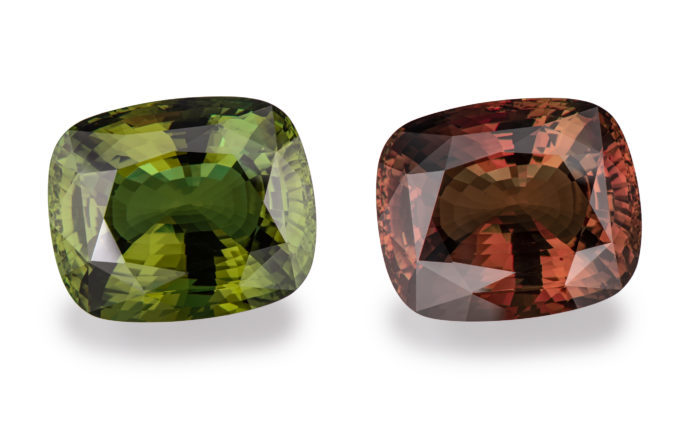
Alexandrite is a rare and highly valued variety of chrysoberyl known for its remarkable color-changing properties. Under natural daylight, it exhibits a green to bluish-green hue, while under incandescent light, it shifts to a red or purplish-red color. This unique optical phenomenon, known as the "alexandrite effect," makes it one of the most sought-after gemstones among collectors and jewelers alike.
First discovered in the Ural Mountains of Russia in the 1830s, alexandrite was named in honor of Tsar Alexander II. Its discovery coincided with a period of Russian nationalism, as the gemstone’s red and green colors matched the imperial colors of Russia. Due to the depletion of the original deposits, high-quality alexandrite is now primarily sourced from Brazil, Sri Lanka, and East Africa.
Right now on eBay
In terms of value, alexandrite’s rarity makes it one of the most expensive gemstones on the market, often commanding prices higher than diamonds. The finest specimens exhibit a dramatic color shift and high clarity, making them incredibly desirable. Synthetic versions of alexandrite have been produced using methods such as the Czochralski process, but natural stones remain the pinnacle of collectibility.
Collectors and jewelry enthusiasts prize alexandrite not only for its beauty but also for its historical significance and scarcity. It is often used in fine jewelry, particularly in rings, pendants, and earrings, where its color-changing ability can be best appreciated. The stone is also recognized as the birthstone for June, further adding to its appeal among gemstone aficionados.