
Tiffany Lamps
Collector Quick Guide
What collectors look for
Original condition, age, maker marks, materials, completeness, unusual variants, and documented history usually matter most.
How to identify originals
Compare markings, construction details, finish, size, period-correct materials, and known design features before assuming authenticity.
Red flags / reproductions
Watch for reproductions, heavy restoration, replaced parts, fantasy pieces, unclear photos, and listings with vague descriptions.
Related collectibles
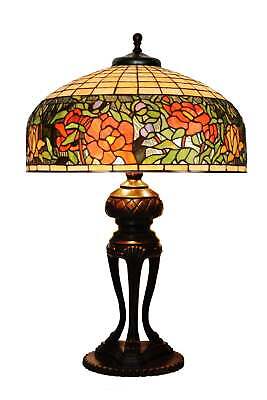
Tiffany lamps are iconic pieces of Art Nouveau design, renowned for their exquisite craftsmanship, vibrant colors, and intricate glasswork. Created by Louis Comfort Tiffany and his team of artisans at Tiffany Studios in New York, these lamps became synonymous with the Art Nouveau movement, which flourished in the late 19th and early 20th centuries. The lamps are celebrated not only as functional lighting but also as stunning works of art, combining innovation with the beauty of nature-inspired motifs.
Louis Comfort Tiffany, the son of famed jeweler Charles Lewis Tiffany, was a pioneer in the use of stained glass in decorative arts. He founded Tiffany Studios in 1885, where he developed a unique method of creating colored glass known as “Favrile” glass. Unlike traditional stained glass, which involved painting on clear glass, Tiffany’s Favrile glass was colored during the manufacturing process. This innovation allowed for deeper, richer hues and a more luminous quality, making Tiffany lamps immediately recognizable and highly desirable.
The hallmark of Tiffany lamps is their stained glass shades, often crafted in intricate mosaic patterns that depict flowers, dragonflies, peacock feathers, and other natural elements. These designs were heavily influenced by the Art Nouveau movement, which emphasized organic forms, flowing lines, and a close connection to the natural world. The glass pieces were meticulously cut and soldered together using copper foil, a technique that allowed for more detailed and delicate designs than traditional lead came methods.
Tiffany lamps typically feature a bronze base, often designed to complement the theme of the shade. These bases were just as carefully crafted as the glass shades, with designs ranging from simple, elegant forms to more elaborate, sculptural pieces. The combination of the vibrant glasswork and the finely detailed bases resulted in lamps that were not only functional but also highly decorative.
The popularity of Tiffany lamps peaked during the early 20th century, when they were considered luxurious items, adorning the homes of the wealthy and fashionable. Each lamp was handcrafted, making every piece unique. The craftsmanship involved in creating a Tiffany lamp was immense, often taking weeks or even months to complete a single piece. As a result, original Tiffany lamps are highly sought after by collectors, with some fetching significant sums at auctions.
Right now on eBay
The value of a Tiffany lamp is determined by several factors, including the design, condition, and provenance. Lamps featuring complex patterns, rare glass colors, or well-preserved original parts are particularly valuable. Additionally, lamps that can be traced back to Tiffany Studios or have a documented history of ownership by notable individuals tend to command higher prices.
Collecting Tiffany lamps requires a keen eye and a deep appreciation for the artistry involved. Due to their popularity and value, Tiffany lamps have been widely imitated, making authentication an important aspect of collecting. Original Tiffany lamps often bear a signature or stamp, either on the base or the shade, though these markings can sometimes be difficult to find or may have faded over time. Collectors are advised to seek expert opinions or purchase from reputable dealers to ensure authenticity.
Tiffany lamps are not only prized for their aesthetic qualities but also for their place in the history of decorative arts. They represent a fusion of art and function, embodying the ideals of the Art Nouveau movement while also serving as enduring symbols of luxury and craftsmanship. Today, Tiffany lamps are displayed in museums, galleries, and private collections around the world, where they continue to captivate viewers with their timeless beauty and intricate designs.
In the world of fine arts and collectibles, Tiffany lamps stand out as masterpieces of design and innovation. Their rich history, coupled with their stunning visual appeal, ensures that they remain cherished by collectors and admired by art enthusiasts for generations to come.