
Abstract Expressionism
Collector Quick Guide
What collectors look for
Original condition, age, maker marks, materials, completeness, unusual variants, and documented history usually matter most.
How to identify originals
Compare markings, construction details, finish, size, period-correct materials, and known design features before assuming authenticity.
Red flags / reproductions
Watch for reproductions, heavy restoration, replaced parts, fantasy pieces, unclear photos, and listings with vague descriptions.
Related collectibles
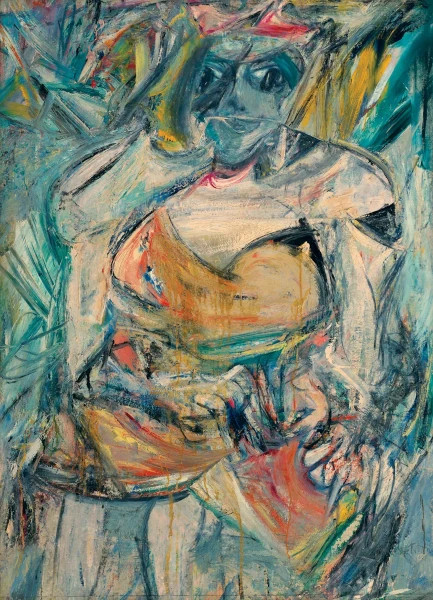
Abstract Expressionism, a revolutionary art movement that emerged in post-World War II America, stands as a defining chapter in the history of Contemporary Art. Within the "Fine Arts" category, this sub-category encapsulates the dynamic and expressive nature of this influential movement.
Abstract Expressionism is characterized by its emphasis on spontaneity, gestural brushwork, and a focus on the act of painting itself. Artists within this movement sought to convey raw emotion and subjective experience, breaking away from representational traditions. Delve into the works of prominent Abstract Expressionist artists who left an indelible mark on the art world. Jackson Pollock's drip paintings, Willem de Kooning's bold brushstrokes, and Mark Rothko's expansive color fields are iconic examples that define the movement's diversity and innovation.
Right now on eBay
Abstract Expressionism paved the way for subsequent art movements and left an enduring impact on Contemporary Art. Its influence can be seen in the evolution of art forms, from the vibrant energy of Action Painting to the introspective minimalism that followed. Despite its acclaim, Abstract Expressionism was not without controversy. Critics debated the movement's significance, and its rise coincided with Cold War politics, raising questions about its association with American cultural identity.
Abstract Expressionism's legacy extends beyond its historical roots. Explore how contemporary artists continue to draw inspiration from the movement, adapting its principles to new forms and mediums. The spirit of Abstract Expressionism lives on in the ever-evolving landscape of Contemporary Art.