
Music Box
Music Box: identify, compare, and value
Use this page to identify details collectors compare, understand value clues, and check current market examples.
Value Guide Summary
Use this page to understand what this collectible is, what details collectors usually compare, and where to check current market examples.
What collectors look for
Original condition, age, maker marks, materials, completeness, unusual variants, and documented history usually matter most.
How to identify examples
Compare markings, construction details, finish, size, period-correct materials, and known design features before assuming authenticity.
Value clues
Rarity, demand, condition, eye appeal, provenance, and whether similar examples are actively selling can all affect market value.
Red flags
Watch for reproductions, heavy restoration, replaced parts, fantasy pieces, unclear photos, and listings with vague descriptions.
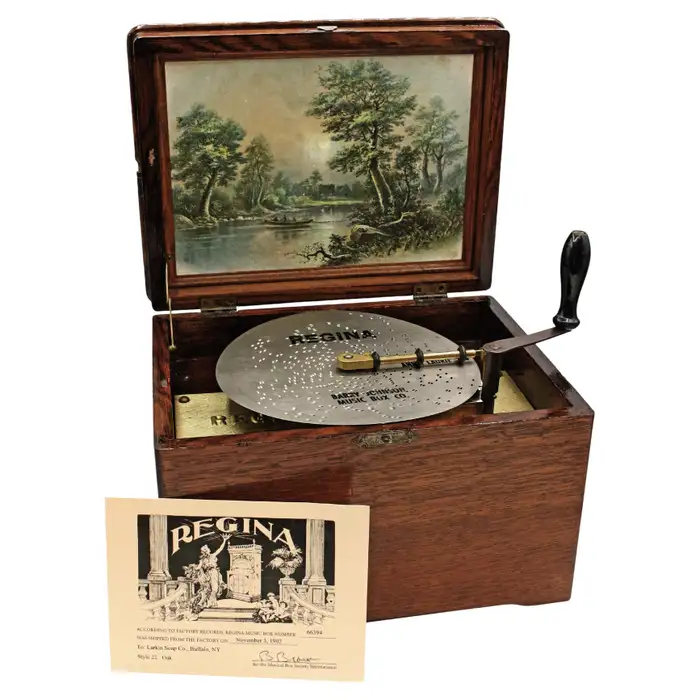
**The Enchanting History of Music Boxes and their Enduring Collectability**
The history of music boxes is a fascinating journey that spans centuries, marked by innovation, craftsmanship, and an enduring appeal that continues to captivate collectors and music enthusiasts around the world. From their humble beginnings as novelty devices to becoming prized collectibles, music boxes have left an indelible mark on the world of music and mechanical engineering.
**The Birth of Melody: The 18th Century**
The story of music boxes begins in the late 18th century with the work of Swiss watchmaker Antoine Favre. In 1796, Favre crafted a small, hand-cranked device that could play tunes through a series of tuned steel teeth. This invention was the first true music box, and it set the stage for the development of more complex and sophisticated musical mechanisms.
**The Golden Age of Music Boxes: The 19th Century**
The 19th century marked the golden age of music boxes, where they rose to prominence as coveted luxury items. Swiss craftsmen, including companies like Reuge and Nicole Frères, refined the design and construction of music boxes, elevating them from simple novelty items to intricate works of art. These music boxes featured intricate wood marquetry, delicate inlays, and elaborate cases adorned with precious metals and jewels.
Music boxes became a symbol of prestige and sophistication, adorning the drawing rooms of wealthy aristocrats and royalty. They played an essential role in social gatherings and entertainment, often enchanting guests with their melodious tunes. The Victorian era, with its emphasis on aesthetics and the arts, further elevated the popularity and appeal of music boxes, making them highly sought-after collectibles.
**The Transition to Mass Production: The 20th Century**
Advancements in manufacturing technology during the early 20th century led to the transition of music boxes from handcrafted luxury items to more affordable, mass-produced objects. As demand increased, so did production efficiency, making music boxes accessible to a broader audience. However, this shift also led to a decline in the intricate craftsmanship and materials used in the earlier music boxes.
**Collectability of Music Boxes**
The collectability of music boxes lies in their historical significance, craftsmanship, and emotional appeal. Antique music boxes from the 18th and 19th centuries, with their intricate mechanisms and rare designs, are highly prized by collectors. These pieces represent a time when skilled artisans poured their creativity into crafting delicate musical treasures, and acquiring and preserving them becomes a way to honor this legacy.
Rare and limited-edition music boxes command significant value in the collector's market, attracting both seasoned collectors and newcomers to the world of music box appreciation. The allure of these mechanical wonders lies in their ability to transport us to another era, evoking nostalgia and a sense of wonder. Collectors often seek out music boxes with unique features, such as automatons, which are mechanical figures that move and perform actions along with the music.
The world of music box collecting has evolved into a vibrant and inclusive community of passionate individuals. Online forums, social media groups, and music box clubs bring together collectors and enthusiasts from all walks of life. These platforms provide spaces for sharing knowledge, experiences, and discoveries, fostering a sense of camaraderie among those captivated by the magic of music boxes. Contemporary music boxes also hold appeal for collectors, especially those crafted by skilled artisans and featuring artistic designs or themes that resonate with individual tastes. These modern creations continue to keep the tradition of music boxes alive while incorporating modern aesthetics and melodies.