
Vinyl Record
Vinyl Record: identify, compare, and value
Use this page to identify details collectors compare, understand value clues, and check current market examples.
Value Guide Summary
Use this page to understand what this collectible is, what details collectors usually compare, and where to check current market examples.
What collectors look for
Original condition, age, maker marks, materials, completeness, unusual variants, and documented history usually matter most.
How to identify examples
Compare markings, construction details, finish, size, period-correct materials, and known design features before assuming authenticity.
Value clues
Rarity, demand, condition, eye appeal, provenance, and whether similar examples are actively selling can all affect market value.
Red flags
Watch for reproductions, heavy restoration, replaced parts, fantasy pieces, unclear photos, and listings with vague descriptions.
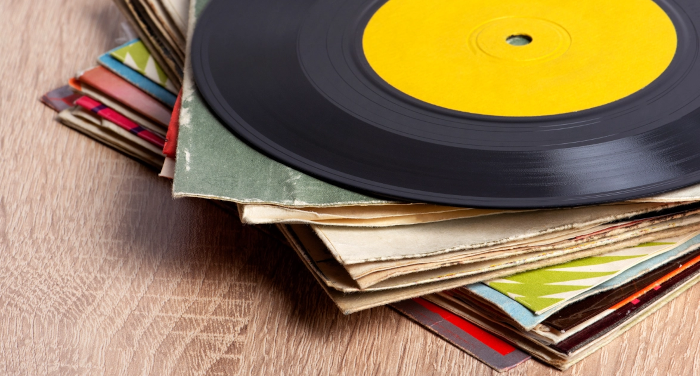
The story of  vinyl records traces back to the late 19th century when Thomas Edison invented the phonograph in 1877. This groundbreaking invention allowed sound to be recorded and reproduced for the first time, using a rotating cylinder covered in tinfoil. While Edison's phonograph was a significant step forward, it had limitations regarding sound quality and durability.
It was not until the early 20th century that vinyl records as we know them today began to take shape. In 1901, Emile Berliner, a German-American inventor, introduced the disc-shaped record made of a hard, durable material called shellac. These records were more practical and became the primary medium for music distribution, replacing the fragile wax cylinder used in Edison's phonograph.
However, shellac records had their drawbacks. They were heavy, brittle, and prone to breakage, limiting the amount of music that could be stored on a single disc. Furthermore, the sound quality was still far from perfect. As technology progressed, efforts were made to improve these limitations.
In 1948, the vinyl record revolutionized the music industry. Columbia Records, under the guidance of engineer Peter Goldmark, introduced the long-playing (LP) vinyl record format, spinning at 33 1/3 revolutions per minute (RPM). The LPs were made of polyvinyl chloride (PVC), a more flexible and durable material than shellac, which allowed for thinner grooves and longer playing times per side. This innovation increased the capacity of each record, allowing for up to 30 minutes of music per side, compared to only a few minutes on earlier formats.
Around the same time, RCA Victor released the 7-inch vinyl record spinning at 45 RPM. These records, known as "45s," were popular for singles and jukebox use due to their smaller size and higher fidelity. The 45 RPM format coexisted with the LP format, offering consumers different options for music consumption.
The 1950s and 1960s saw the golden age of vinyl records, with the format dominating the music industry. Iconic artists such as Elvis Presley, The Beatles, and The Rolling Stones released their albums on vinyl, contributing to the format's popularity. Vinyl records became an essential part of the youth culture, and the record player became a centerpiece in many households.
As technology advanced further, vinyl records continued to evolve. In the late 1970s, audio enthusiasts witnessed the introduction of direct metal mastering (DMM) and half-speed mastering techniques, improving the sound quality of vinyl records. However, despite these advancements, the late 1970s also marked the advent of the compact disc (CD), which eventually overtook vinyl records in sales during the 1980s and 1990s.
Despite the rise of digital music, vinyl records have experienced a resurgence in recent decades. The early 2000s saw a growing interest in vinyl collecting, driven by nostalgia, the desire for tangible music experiences, and a fascination with analog sound. Today, vinyl records have become a symbol of authenticity and a preferred medium for music enthusiasts seeking a richer, warmer sound compared to digital formats.