
Illuminated Manuscripts
Illuminated Manuscripts: identify, compare, and value
Use this page to identify details collectors compare, understand value clues, and check current market examples.
Value Guide Summary
Use this page to understand what this collectible is, what details collectors usually compare, and where to check current market examples.
What collectors look for
Original condition, age, maker marks, materials, completeness, unusual variants, and documented history usually matter most.
How to identify examples
Compare markings, construction details, finish, size, period-correct materials, and known design features before assuming authenticity.
Value clues
Rarity, demand, condition, eye appeal, provenance, and whether similar examples are actively selling can all affect market value.
Red flags
Watch for reproductions, heavy restoration, replaced parts, fantasy pieces, unclear photos, and listings with vague descriptions.
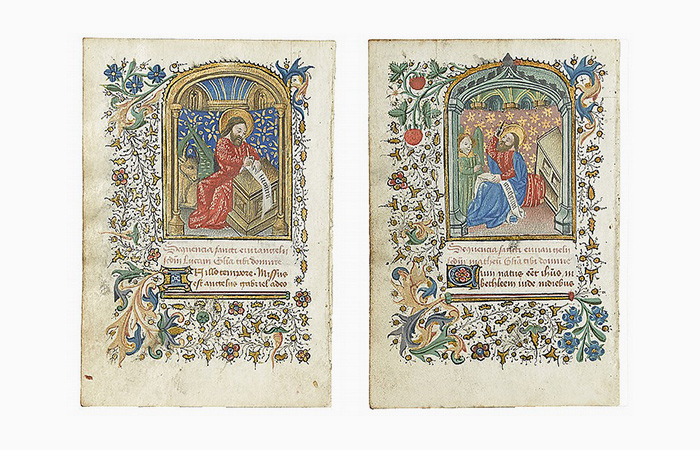
In the heart of the Renaissance, a time teeming with artistic brilliance and cultural rebirth, one particular treasure shone brightly — Illuminated Manuscripts. These handcrafted books, adorned with intricate illustrations, colorful pigments, and often gold leaf, stand as timeless relics of the era's artistic opulence.
At the core of these manuscripts lies the art of illumination, a meticulous process where artists applied vibrant colors and precious metals to parchment or vellum. The result? A visual feast that elevated written words to the realm of the extraordinary. Calligraphy, another integral facet, contributed with its elegantly crafted scripts, enhancing the overall aesthetic. Crafted on durable parchment or vellum, illuminated manuscripts showcased a rich color palette derived from minerals, plants, and insects. The addition of gold or silver leaf brought a luminous quality to the illustrations, transforming each page into a masterpiece.