
Is It Really Mission Oak? What Collectors Look For Before They Buy
- Jul 2026
- The Hot Collector
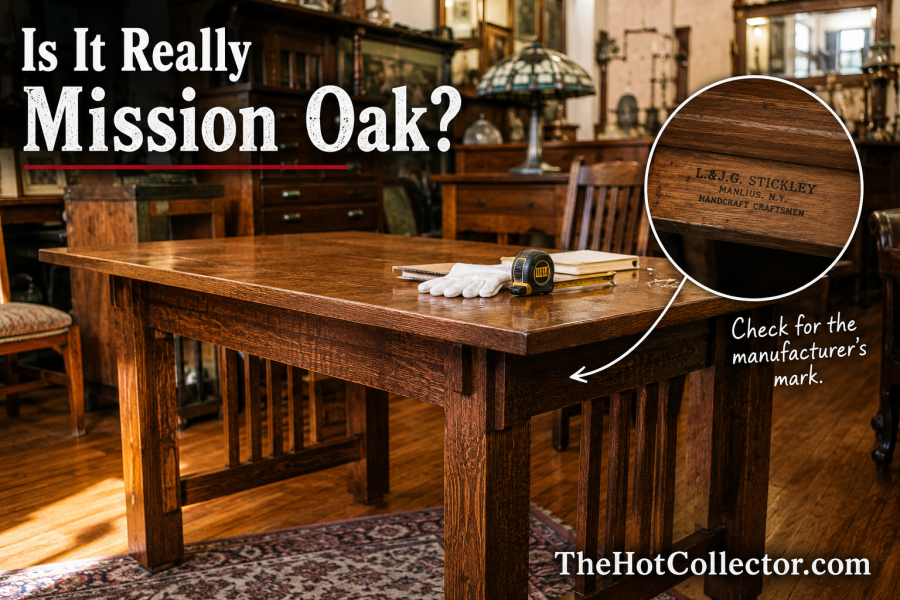
Mission Oak furniture has a way of making people stop in their tracks. It doesn't rely on fancy carvings or gold accents to get attention. Instead, its beauty comes from strong lines, solid craftsmanship, and wood that has quietly aged for more than a century.
Built during the American  Arts and Crafts Movement of the late 1800s and early 1900s, Mission furniture was designed to celebrate honest craftsmanship over unnecessary decoration. Makers such as Gustav Stickley, Limbert, and Roycroft became known for producing furniture that was meant to be used every day while still looking beautiful enough to pass from one generation to the next.
One of the first things experienced collectors do is crouch down and look underneath the furniture.
Why?
Because that's often where the real story begins.
Many original pieces still carry paper labels, branded marks, or factory stamps hidden beneath the tabletop or inside a drawer. Finding an original maker's mark doesn't automatically make the piece valuable, but it gives you an excellent place to begin your research.
Here's another habit worth developing.
Don't judge the finish too quickly.
Many newcomers are drawn to pieces that have been completely refinished because they look "new." Ironically, collectors often prefer furniture showing honest age. Small scratches, worn armrests, and a mellow patina usually tell a much more interesting story than freshly sanded wood coated in modern polyurethane.
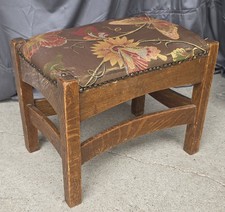
One detail that's easy to overlook is the wood itself. Authentic quarter-sawn oak displays beautiful ribbon-like grain patterns that become more noticeable as light moves across the surface. It's one of the easiest visual clues collectors learn to recognize.
Right now on eBay

Authentic Stickley Mission Arts & Crafts Quarter Sawn Oak Table Lamps Pair 30"
Used

Antique Gustav Stickley Arts & Crafts Mission Oak Two Drawer Library Table Desk
Used
GUSTAV STICKLEY Hand Hammered Copper tray No. 274 circa 1910 Very Good Condition
Used



Antique 1900 Mission Arts & Crafts Quarter Sawn Oak Library Table w/ Drawer
Used

SIGNED Antique GUSTAV STICKLEY Bookcase - C 1910 w8382 A PERIOD no game
Used





ARTS AND CRAFTS STICKLEY ERA QUARTER SAWN OAK PICTURE FRAME WITH ORIGINAL MIRROR

Antique American Quarter-Sawn Oak Globe 8 Drawer File Cabinet Circa 1920
Used


Antique Quarter Sawn Oak Tambour Pull out Drawer Filing Cabinet Circa 1900
Used

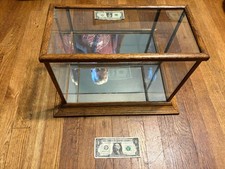
Vintage Quarter Sawn Oak Countertop Display Case Interior:15”x7”x10” Two Mirrors

Antique Arts and Crafts H back Oak Chair - Gustav Stickley – original finish
Used

CRAFTSMAN HOMES Gustav Stickley First Edition 1909 Unique Canvas Linen Cover



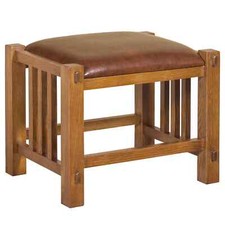

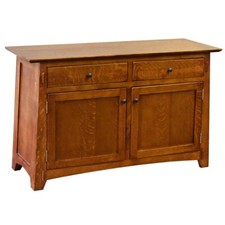
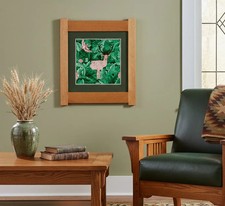


Pair of Arts and Crafts Quarter Sawn Oak Stacked Bookends Roycroft Era Antique
Used

1999 Gustav Stickley Arts & Crafts Movement Craftsman Farms Furniture History



Small Antique Victorian Style Quarter Sawn Oak Tiger Stripe Pediment 1880 XX7

Vtg. Book: Arts & Crafts Furniture STICKLEY STYLE 1999 3rd Print Gustav Stickley
Very Good


Antique Gustav Stickley Signed Craftsman Telephone Stand 14”x14”x30.25” *RARE*
Used
gustav stickley screws


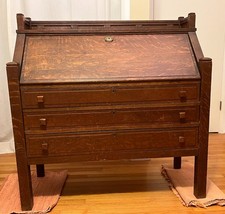
Antique Desk - Drop front Mission Style Quarter Sawn Oak by Cron-Kills Co.
Used


Smith & Wesson X-Frame 460 & 500 Magnum Grips – Quarter-Sawn Oak, Lacquer Finish
New


Antique Gustav Stickley Round Mission Oak Dining Table – with 4 leaves
Used


GUSTAV STICKLEY: The Craftsman, by Mary Ann Smith, 186 pages, Hardcover
Very Good

Gustav Stickley and American Arts and Crafts Movement Kevin W. Tucker
Very Good
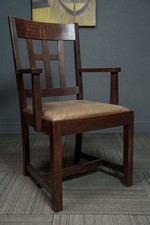
Antique Arts & Crafts Mission Stickley Quarter Sawn Oak Slat Back Arm Chair
Unspecified

Smith & Wesson X-Frame 460 & 500 Magnum Grips – Quarter-Sawn Oak, Lacquer Finish
New


Gustav Stickley Craftsman Homes Book Mission Style Furniture Arts & Crafts
Very Good
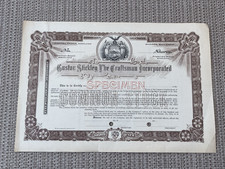
Unusual Arts & Crafts Gustav Stickley Craftsman Furniture Stock Certificate
Used
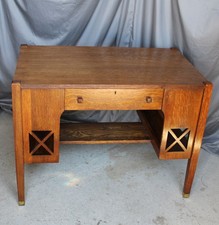

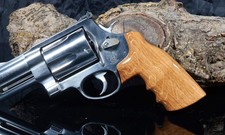
Smith & Wesson X-Frame 460 & 500 Magnum Grips – Quarter-Sawn Oak, Lacquer Finish
New


Handmade Grips Ruger Wrangler Birdshead Stained Quarter Sawn Oak Wood New
New

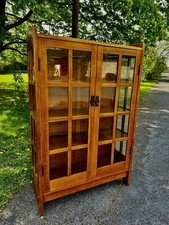
ANTIQOU Gustav Stickley China cabinet Model 814 circa 1908 NO REPRODUCRION

Antique Arts & Crafts Brass And Quarter Sawn Oak Gentleman's Wall Letter Rack

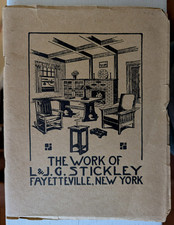
RARE 1911 Work of L & J G STICKLEY Furniture Catalog Fayetteville NY 55pg 1st Ed

Antique Quarter Sawn Oak Pedestal Plant Fern Stand Jamestown NY 33 1/2"
Used


FURNITURE OF THE AMERICAN ARTS AND CRAFTS FURNITURE By David M. Cathers & Peter
Good

Antique Quarter Sawn Oak Square Knob Drawer Pull Handle Arts Crafts Furniture


Antique Quarter Sawn Oak Barrister 3 Stack Drawer Bookcase Globe Wernicke 1900
Used

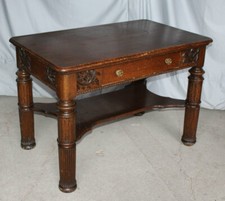
1909 Antique Oak Furniture Catalog A. P. Bohlinger Table Co. St. Louis 48 pgs


1997 Antique Oak Furniture: An Illustrated Value Guide by Conover Hill


Antique Quarter-Sawn Oak Globe Wernicke Bookcase Door w/hdw 14 1/2'' tall #4616
Used


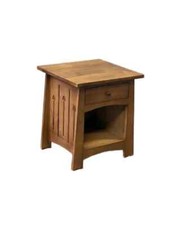

Another place to inspect carefully is the joinery.
Open a drawer and look at how it's built. Older Mission furniture often features hand-cut or early machine-cut dovetail joints that fit together with remarkable precision. Modern reproductions sometimes imitate the appearance but rarely duplicate the same level of craftsmanship.
One mistake beginners make is focusing entirely on the name Stickley. While Gustav Stickley produced some of the most famous Mission furniture ever made, dozens of smaller companies built outstanding examples that deserve just as much attention. Some of those lesser-known makers remain surprisingly affordable and can be excellent additions to a collection.
Here's something fun many collectors enjoy.
Finding furniture that still carries its original owner's history.
Occasionally you'll discover an old shipping label, a handwritten inventory number, or even a faded furniture tag from the department store where it was originally sold. Those little discoveries don't just increase curiosity—they create a personal connection to the families who lived with the piece long before it entered your collection.
If you're shopping at an estate sale, don't be afraid to get down on one knee and spend a few extra minutes examining the furniture. Check underneath. Open every drawer. Feel the joints. Look behind the cabinet doors. Those extra five minutes often reveal details that many buyers completely miss.
That's one of the best parts of collecting antique furniture.
Every table, chair, or bookcase has already lived a full life before you ever see it. The real excitement comes from uncovering the small clues it leaves behind and deciding whether you'll become the next person to preserve its story.