
1999 Pokémon Base Set Charizard: How Collectors Tell 1st Edition, Shadowless, Unlimited, and Fakes Apart
- Aug 2026
- The Hot Collector
Content Top
Open an old Pokémon binder from the late 1990s and there is one card almost everyone hopes to see staring back at them: Charizard #4/102.
For many collectors, this card represents the beginning of the Pokémon trading-card craze in the United States. The English-language Base Set arrived in 1999, and Charizard quickly became the card kids wanted to pull from a booster pack. Decades later, that childhood favorite has become one of the most recognizable trading cards in the hobby.
The trouble is that not every Base Set Charizard is the same.
Collectors generally encounter several important English Base Set versions, and knowing which one you have can dramatically change how the card is viewed. The easiest place to begin is the left side of the artwork box.
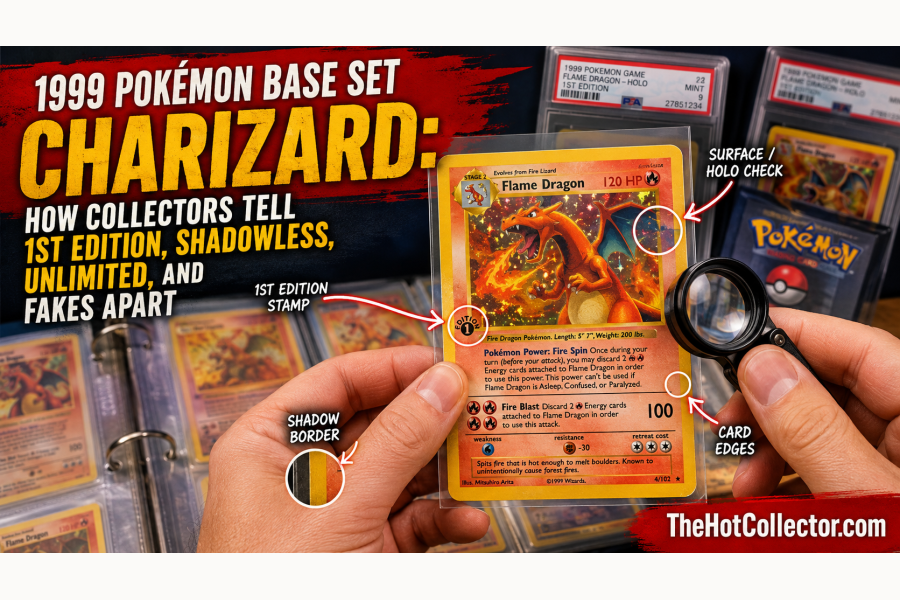
A genuine 1st Edition Charizard carries the familiar black “Edition 1” stamp just below and to the left of the artwork. English 1st Edition Base Set cards are also part of the early “Shadowless” design. In other words, an English Base Set Charizard with a genuine 1st Edition stamp should not have the darker drop shadow later added around the artwork frame.
Collector’s Tip: never decide that a card is 1st Edition simply because you see a stamp.
Counterfeiters know exactly which symbol collectors are looking for. Inspect the sharpness, position, ink density, and relationship of the stamp to the rest of the printing. A suspicious stamp placed on an otherwise ordinary card is a major warning sign.
The next version collectors chase is commonly called Shadowless. These cards do not carry the 1st Edition stamp, but they retain the early layout without the darker shadow along the right and lower sides of the picture frame. Shadowless cards are generally scarcer than the later Unlimited printing and have developed their own strong following.
Then comes the familiar Unlimited Base Set Charizard. This is the version many children actually pulled and played with. The artwork window has the more pronounced shadow effect, and the overall layout contains other small production differences.
That makes the border around the illustration one of the quickest places to begin comparing examples.
Right now on eBay

Charizard Base Set 4/102 1st Edition Shadowless Holo PSA 10 1999
Ungraded

Vintage Pokemon Cards 1999 WOTC Pack! Charizard! Pikachu! 1st Edition!
Ungraded





Vintage Pokemon Card Collection 1st Edition Shadowless ALL WOTC 1999 1x Holo ✨
Ungraded


1999 Charizard Base Set Shadowless Holo Rare EN 1999 PSA 4 NEW CERT
Graded

Pokemon CGC 8.5 1st Edition Shadowless Charizard 4/102 Base Set Holo Rare 1999
Graded


PSA 4 VG-EX Shadowless Charizard 1999 Base Set 4/102 HOLO Pokemon Card
Graded


Charizard Base Set Holo Rare 4/102 English 1999 Unlimited BGS 7 Graded
Graded


Pokemon Graded: Charizard 1st Edition 4/102 Base Set (1999) Holo Beckett 5
Graded
Vintage Pokemon Cards HUGE Collection 1st Edition Shadowless WOTC + Modern Holos
Ungraded

Pokemon Collection with IR, Double Rares, vintage Pokemon cards LP to MP, and AR
Used


Pokemon TCG Charizard Base Set 4/102 Holo Rare 1999 English Wizards
Ungraded


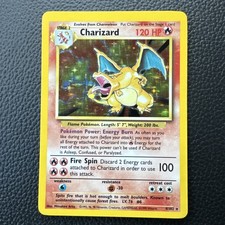
1999 Pokémon Base Set Charizard 4/102 Holo Rare Unlimited WOTC Vintage LP-MP
Ungraded


Pokémon 1st Edition CHARIZARD Base Set 1st Edition CUSTOM GOLD Metal Card
Ungraded
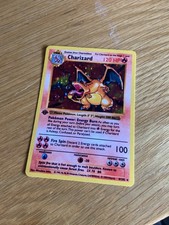

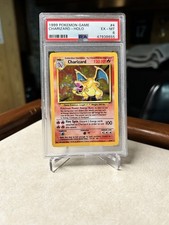

Pokemon TCG Base Set Charizard 4/102 Holo Rare English 1999 Stage 2 120 HP
Ungraded


1999 Pokemon Charizard 004/102 Base Set Holo Unlimited Rare Vintage Pokemon Card
Ungraded


1999 Pokemon Charizard Base Set Holo Unlimited Rare Card #4/102 BGS 8
Ungraded


Charizard PSA 4: 1999 Pokemon Base Set Holo Charizard 4/102 PSA 4 VG-EX
Graded


1999 Pokemon TCG Base Set Charizard 4/102 Holo PSA 9 Graded English
Graded


Pokemon 1999 Base Set Charizard 4/102 Holo Holo Rare TAG Graded English
Graded

CGC 3 1999 Pokemon TCG Charizard Base Set Holo Rare 4/102 English Shadowless
Graded

Charizard Base Set (1st Edition) 4/102 Collectors Fan Art Card for Display
New


1999 POKEMON BASE SET SHADOWLESS CHARIZARD ENGLISH #4/102 WOTC HOLO RARE CGC 8.5
Graded

Pokemon TCG Charizard Base Set 2nd Edition 4/102 Holo Rare Wizards 1999 English
Ungraded

Pokémon TCG Charizard Base Set 4/102 Holo Unlimited Holo Rare. Lightly Played
Ungraded


1999 Pokemon Charizard Unlimited Holo Base Set #4 /102 CGC 5 Blue W/ Guard
Graded


PSA 9 1999 POKEMON BASE SET 1ST EDITION SHADOWLESS CHARIZARD FACTORY SEALED PACK
New/Factory Sealed


POP 1 NONE HIGHER! 🔥 Charizard Base Set BGS 9.5 Pokemon Spanish 1999 Holo 4/102
Graded


Charizard Base Set Holo Rare 4/102 English 1999 Pokemon PGC 10 Graded
Graded

Charizard Base Set 1999 Holo 4/102 MP Moderately Played English Pokemon WOTC
Ungraded

Pokemon 1st Ed. Base Set Shadowless Charizard Holo BGS 9.5 MBA SILVER DIAMOND
Graded


Charizard Base Set Shadowless Holo Rare 4/102 English 1999 CGC 6.5 -Chumlee Coll
Graded
PSA 10 Charizard Venusaur Blastoise ex SR Set Pokemon Card 151 Japanese 185/165
Ungraded


Once you identify the printing, condition becomes the next battle.
Pokémon cards were made to be played with, traded, shuffled, carried in pockets, and slid into school binders. Many surviving Charizards have whitening along the back edges, scratches across the holographic surface, bent corners, creases, dents, or small impressions left by years inside tight binder pages.
Look Closely: tilt the holographic area under a light.
Fine scratches can disappear completely in a straight-on photograph. What looks like a beautiful card on an online listing can reveal dozens of surface lines when viewed from an angle. Because grading companies evaluate the entire card, surface damage can make a major difference even when the front looks impressive.
Centering also matters. Compare the yellow borders on all four sides. A card can be clean and sharp yet noticeably off-center. Collectors pursuing high grades pay close attention to whether the artwork sits evenly within the borders.
The back deserves equal attention.
White specks along the blue edges, chipped corners, scratches, discoloration, and dents can all affect condition. Never purchase an expensive vintage Pokémon card from photographs showing only the front.
Watch Out For: counterfeit Charizards have become increasingly sophisticated.
Some obvious fakes have incorrect fonts, muddy colors, unusual card stock, or flat-looking holographic effects. Better counterfeits require closer study. Compare the typography, energy symbols, copyright text, card number, holo pattern, border color, and print quality with authenticated examples.
One particularly useful habit is studying the holographic pattern rather than simply asking whether the card “shines.” Genuine vintage holographic cards have a particular visual character. A counterfeit may use a repeating foil pattern, overly strong rainbow effect, or printed holographic image rather than an authentic foil layer.
Professional grading can be especially useful when dealing with expensive examples. Companies such as PSA and CGC authenticate, grade, and encapsulate trading cards, and certification numbers provide another layer of information collectors can verify.
Still, a plastic holder should not make you stop looking.
Confirm the certification number, examine the label, and make sure the card inside actually matches the certification information. Expensive collectibles attract tampering, altered holders, and counterfeit labels precisely because buyers sometimes trust the slab more than the item.
Another mistake is assuming every Charizard in an old binder is worth the same amount.
The exact printing, grade, originality, and condition determine what collectors are willing to pay. Heritage records show just how dramatically high-grade examples can separate themselves from ordinary copies; its December 2025 auction included a PSA 10 1st Edition Charizard that reached $550,000.
That does not mean the worn Charizard you find at a garage sale is suddenly worth half a million dollars.
And honestly, that is part of what makes collecting them fun.
A heavily played Unlimited Charizard may still be the exact card someone remembers chasing as a kid. A Shadowless example can represent an early stage of Pokémon's American release. A 1st Edition copy sits even closer to the beginning.
Why Collectors Care: Charizard combines rarity, nostalgia, artwork, franchise importance, and an instantly recognizable character. It appeals to serious trading-card collectors, Pokémon fans, investors, and adults rebuilding the collections they had when they were children.
So if you discover one in an old binder, resist the urge to immediately search “Charizard value.”
First identify the printing.
Then inspect the condition.
Then check whether everything about the card makes sense.
With 1999 Base Set Charizard, a few millimeters of ink, one missing shadow, and decades of wear can tell an entirely different collecting story.