
Meerschaum Pipes
Collector Quick Guide
What collectors look for
Original condition, age, maker marks, materials, completeness, unusual variants, and documented history usually matter most.
How to identify originals
Compare markings, construction details, finish, size, period-correct materials, and known design features before assuming authenticity.
Red flags / reproductions
Watch for reproductions, heavy restoration, replaced parts, fantasy pieces, unclear photos, and listings with vague descriptions.
Related collectibles
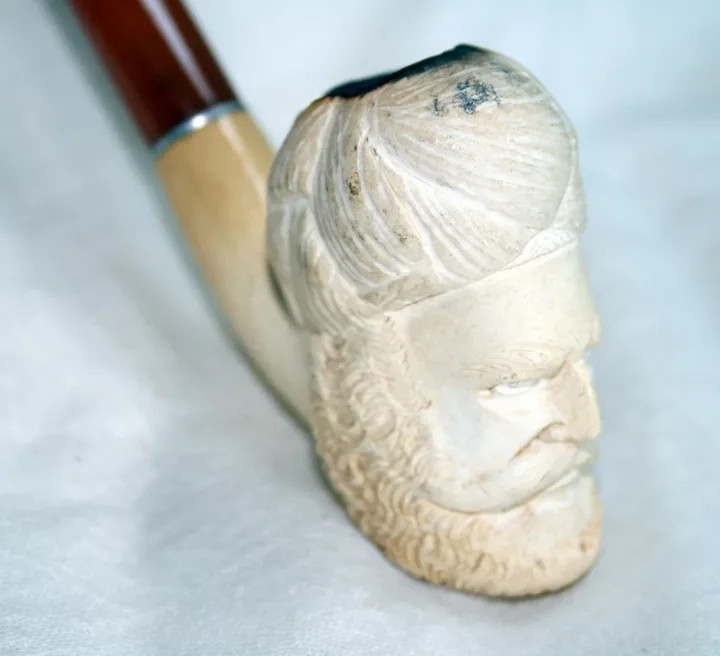
Meerschaum pipes are highly esteemed in the world of pipe collecting, prized for their intricate carvings, unique material, and rich history. These pipes, made from the mineral sepiolite—commonly known as meerschaum—are valued for their light weight, porous nature, and the way they enhance the smoking experience by providing a cool, dry smoke. The name "meerschaum" comes from the German words for "sea foam," reflecting the mineral's white, frothy appearance when first mined.
Meerschaum is primarily found in Turkey, with the most renowned deposits located near the city of Eskişehir. This mineral is soft when first extracted, making it ideal for carving. Artisans have crafted meerschaum pipes for centuries, with some of the most intricate and detailed carvings seen in these pieces. The skill of the carver greatly influences the value and desirability of a meerschaum pipe, as collectors seek out pipes that showcase exceptional artistry and craftsmanship.
The process of making a meerschaum pipe begins with selecting high-quality raw meerschaum. The mineral is then shaped and carved into the desired form, which can range from simple, classic designs to elaborate, ornate figures and scenes. Common themes include faces, animals, and floral motifs. After carving, the pipe is carefully polished, sometimes stained, and fitted with a stem—traditionally made of amber, although modern pipes may use materials like acrylic or vulcanite.
One of the unique characteristics of meerschaum pipes is their ability to change color over time. As the pipe is smoked, the porous material absorbs the oils and tars from the tobacco, gradually turning the pipe from white to various shades of amber, brown, or even reddish tones. This patina is highly prized by collectors, as it reflects the pipe’s age and usage, giving each meerschaum pipe a distinct, personalized appearance.
Meerschaum pipes have been popular among smokers and collectors since the 18th century, particularly in Europe. They were seen as luxury items, often owned by the elite and used as status symbols. The popularity of meerschaum pipes continued into the 19th century, with many fine examples created during this period. Today, antique meerschaum pipes are highly sought after by collectors, with value determined by factors such as age, condition, carving quality, and provenance.
Right now on eBay
The appeal of collecting meerschaum pipes lies not only in their beauty and craftsmanship but also in the tradition and history they represent. Each pipe tells a story, from the hands of the artisan who carved it to the smokers who enjoyed it. The artistry involved in creating meerschaum pipes is a significant draw for collectors, as the best examples are considered works of art as much as functional smoking instruments.
Maintaining and preserving meerschaum pipes requires careful handling. Because meerschaum is a delicate and porous material, it is susceptible to damage if dropped or exposed to excessive moisture. Collectors often store their pipes in protective cases, which also add to the collectible nature of these items, especially if the case is original and well-preserved.
Modern meerschaum pipes continue to be made, with many skilled carvers in Turkey and elsewhere producing both traditional and contemporary designs. While new pipes are popular among smokers, vintage and antique meerschaum pipes hold a special place in the hearts of collectors due to their historical significance and the unique character they develop over time.
In the world of collectibles, meerschaum pipes occupy a unique niche, combining functionality with artistry and history. Whether cherished for their aesthetic appeal, the smoking experience they offer, or the craftsmanship involved in their creation, meerschaum pipes remain a beloved item for collectors and enthusiasts around the world.