
Apple Macintosh
Collector Quick Guide
What collectors look for
Original condition, age, maker marks, materials, completeness, unusual variants, and documented history usually matter most.
How to identify originals
Compare markings, construction details, finish, size, period-correct materials, and known design features before assuming authenticity.
Red flags / reproductions
Watch for reproductions, heavy restoration, replaced parts, fantasy pieces, unclear photos, and listings with vague descriptions.
Related collectibles
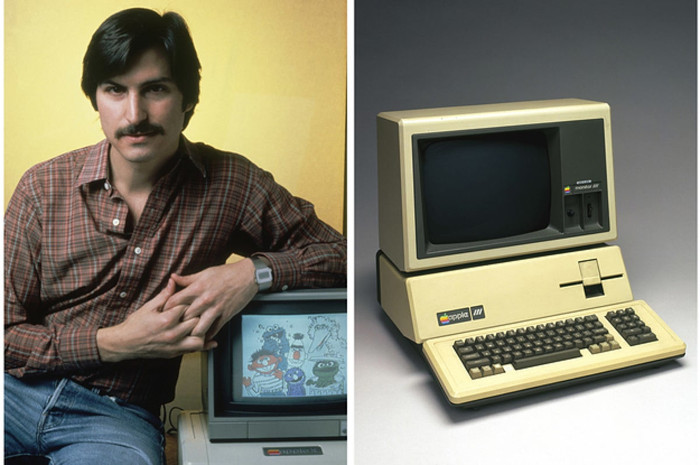
The Apple Macintosh, a groundbreaking personal computer, revolutionized the world of computing. Launched in 1984, it showcased a user-friendly interface and graphical capabilities, setting it apart from its competitors. Steve Jobs' vision of a computer for the masses became a reality with the Macintosh, shaping the future of computing.
The Apple Macintosh, often referred to as the Mac, emerged during a pivotal era in computing. Jobs aimed to make computers accessible to everyone, envisioning a user-friendly device. Launched with the famous "1984" Super Bowl commercial, the Macintosh introduced the graphical user interface, a departure from the command-line systems of the time. This innovation laid the foundation for modern computing interfaces.
Collectors value the Macintosh for its historical significance and design. Limited-edition releases, like the Macintosh 128K, garner attention. Enthusiasts appreciate the evolution of Macintosh models, showcasing the progression of technology and design principles.
Right now on eBay
Macintosh collectors are drawn to the nostalgia associated with the device. The sleek design, iconic boot-up sound, and the emotional connection to the early days of personal computing contribute to its allure. Owning a piece of technological history fuels the passion of Macintosh collectors.
Condition, rarity, and inclusion of original accessories impact the collectibility of Macintosh computers. Limited editions or models with unique features, such as the Macintosh SE with a clear case, often command higher prices in the collector's market.
Highlighting key models like the Macintosh 128K, Macintosh SE, and Macintosh Portable, collectors appreciate the diversity within the Macintosh lineup. Limited runs, prototype models, and commemorative editions add layers to the collecting experience.
Preserving the Macintosh involves proper storage, regular maintenance, and ensuring functionality. Collectors often showcase their Macintosh computers in dedicated display areas, emphasizing the aesthetic and historical value of these iconic devices.