
The Beauty of Vintage Glass Collectibles
- Jul 2024
- Dipen Locata
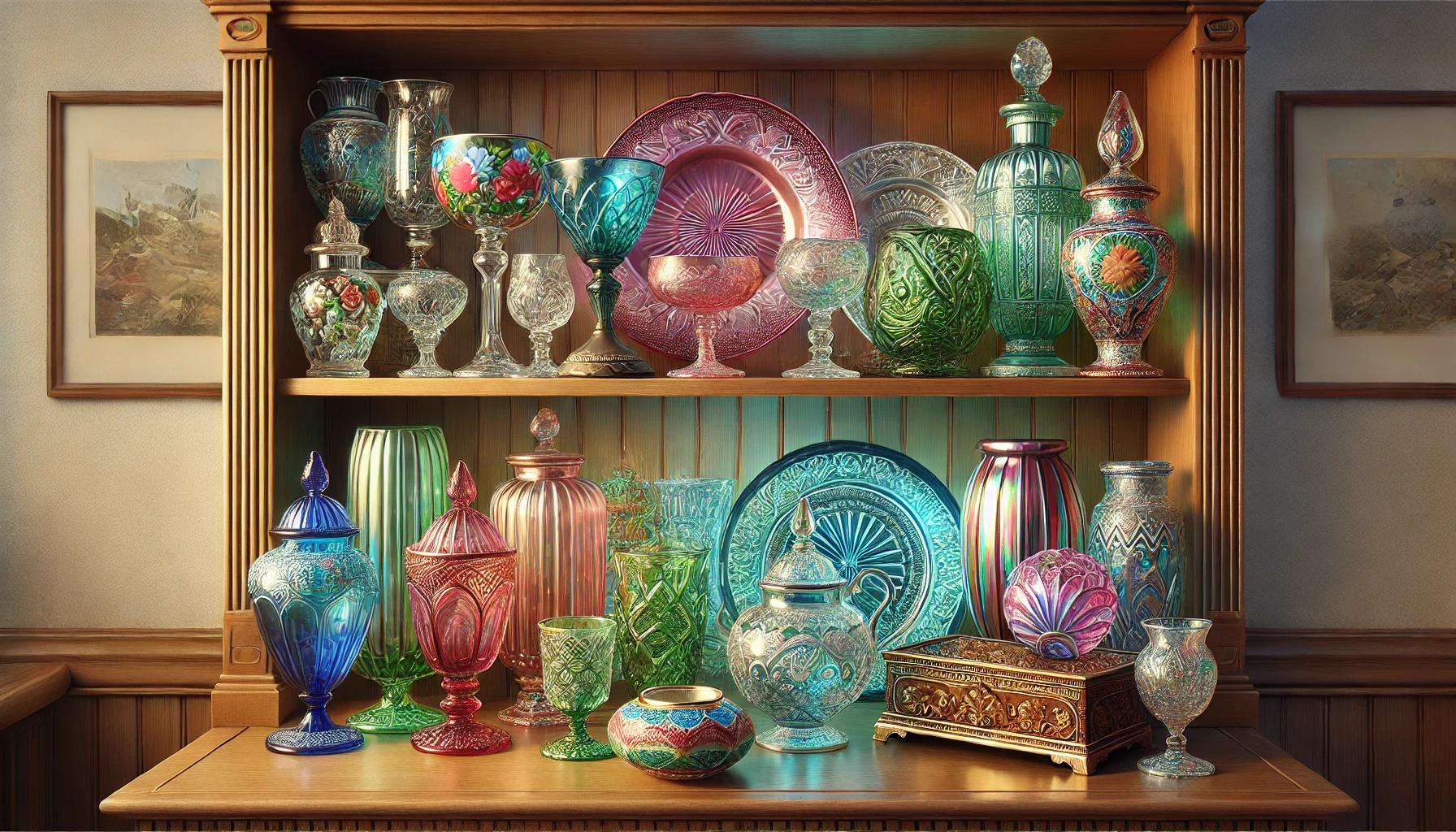
Vintage glass collectibles have long captivated collectors with their beauty, craftsmanship, and historical significance. From delicate Depression glass to exquisite Murano pieces, these items offer a window into the artistry and cultural trends of past eras. Collecting vintage glass is a journey through time, filled with vibrant colors, intricate patterns, and fascinating stories.
The history of glassmaking dates back thousands of years, with ancient civilizations such as the Egyptians and Romans developing techniques to create glass objects. However, the golden age of collectible glass began in the 19th century, when advances in glass production and decoration led to an explosion of creativity. Glassmakers experimented with new forms, colors, and techniques, resulting in a wide variety of beautiful and unique pieces.
One of the most popular categories of vintage glass is Depression glass. Produced during the Great Depression, this glass was affordable and widely available, often given away as premiums with food products or sold inexpensively in stores. Despite its humble origins, Depression glass is highly collectible today. Its vibrant colors, such as pink, green, blue, and amber, and charming patterns like "Cameo" and "Mayfair," make it a favorite among collectors.
Another sought-after category is Murano glass, named after the island of Murano near Venice, Italy, where it is produced. Murano glass is renowned for its exceptional quality and artistic innovation. Glassmakers on Murano have been perfecting their craft for centuries, creating intricate designs and vibrant colors using techniques like millefiori, where multicolored glass pieces are fused together. Collectors prize Murano glass for its beauty, rarity, and the skill required to produce it.
Carnival glass is another beloved type of vintage glass. First produced in the early 20th century, carnival glass is known for its iridescent finish, which gives it a shimmering, rainbow-like appearance. This effect is achieved by spraying the hot glass with metallic salts. Carnival glass was originally produced as inexpensive decorative items, but today, its unique finish and wide range of patterns and colors make it highly collectible.
Right now on eBay
Collectors are drawn to vintage glass for several reasons. The aesthetic appeal of these pieces is undeniable, with their vibrant colors, intricate patterns, and elegant forms. Each item reflects the artistic trends and cultural influences of its time, offering a glimpse into the past. The craftsmanship involved in creating vintage glass is another significant factor, with many pieces showcasing the skill and creativity of master glassmakers.
Nostalgia also plays a role in the appeal of vintage glass. For many collectors, these items evoke memories of family heirlooms, special occasions, and the beauty of past eras. The tactile experience of handling a finely crafted glass piece can bring a sense of connection to history and the artisans who created it.
The collectibility of vintage glass is influenced by factors such as age, rarity, condition, and provenance. Pieces that are rare, in excellent condition, and with a well-documented history tend to be more valuable. Collectors often seek out specific patterns, colors, or makers, adding a layer of challenge and excitement to the hobby.
Preserving vintage glass involves careful handling and proper storage. These items should be kept in a stable environment with controlled temperature and humidity levels to prevent cracking and other damage. Displaying glass in a way that minimizes the risk of accidental damage is also essential. Using padded supports and avoiding direct sunlight can help maintain their condition over time.
Vintage glass collectibles are more than just beautiful objects; they are pieces of history that capture the essence of different eras. Whether you are drawn to the vibrant colors of Depression glass, the intricate designs of Murano glass, or the shimmering finish of carnival glass, there is a wide world of glass art to explore. For collectors, these pieces provide endless fascination and enjoyment, offering a tangible connection to the past and the beauty of human creativity.