
Daguerreotype Cameras
Collector Quick Guide
What collectors look for
Original condition, age, maker marks, materials, completeness, unusual variants, and documented history usually matter most.
How to identify originals
Compare markings, construction details, finish, size, period-correct materials, and known design features before assuming authenticity.
Red flags / reproductions
Watch for reproductions, heavy restoration, replaced parts, fantasy pieces, unclear photos, and listings with vague descriptions.
Related collectibles
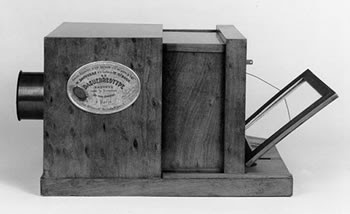
Daguerreotype cameras hold a significant place in the history of photography as the pioneering devices that captured the first practical and commercially viable photographs. Developed by Louis Daguerre in 1839, the daguerreotype process revolutionized the way images were created and shared, marking the birth of photography as an art and science. Collectors of daguerreotype cameras and photographs value these items for their historical importance, technical innovation, and the glimpse they offer into the early days of image-making.
The daguerreotype process involves creating a direct positive image on a silver-plated copper sheet. The surface is polished to a mirror-like finish and treated with iodine vapor to make it light-sensitive. The plate is then exposed to light in a camera, capturing the image. After exposure, the plate is developed using mercury vapor and fixed with a solution of sodium thiosulfate. The resulting image is a highly detailed, one-of-a-kind photograph that cannot be reproduced.
Early daguerreotype cameras were simple wooden boxes with a lens at the front and a ground glass focusing screen at the back. These cameras required long exposure times, often several minutes, which meant subjects had to remain still to avoid blurring. The cameras were usually mounted on sturdy tripods to ensure stability during the lengthy exposure process. As the technology progressed, improvements in lenses, plates, and chemical treatments reduced exposure times and enhanced image quality.
The popularity of daguerreotype photography grew rapidly in the 1840s and 1850s. Daguerreotype studios sprang up in cities around the world, offering portrait services to a wide range of clients. These early photographs captured people from all walks of life, providing a unique historical record of the period. Portraits were the most common subject, but landscapes, architecture, and still-life compositions were also popular. The detailed and lifelike quality of daguerreotypes made them highly valued by contemporary audiences and collectors alike.
Collecting daguerreotype cameras and photographs offers a fascinating journey into the origins of photography. Original daguerreotype cameras are rare and highly prized by collectors, often fetching high prices at auctions. These early cameras are appreciated not only for their historical significance but also for their craftsmanship and design. The wooden bodies, brass fittings, and simple yet effective mechanisms of these cameras are a testament to the ingenuity of early photographic pioneers.
Right now on eBay
Daguerreotype photographs, or daguerreotypes, are equally coveted. These images are typically housed in protective cases made of wood, leather, or thermoplastic, often lined with velvet or silk. The cases not only protect the delicate images but also enhance their presentation. Collectors look for daguerreotypes in good condition, with clear, well-preserved images and intact cases. The subject matter, provenance, and historical context of the photograph can also significantly impact its value.
One of the appeals of daguerreotype photography is the uniqueness of each image. Since daguerreotypes are direct positives, each photograph is a one-of-a-kind creation, unlike later photographic processes that allowed for multiple prints from a single negative. This uniqueness adds to the collectible value of daguerreotypes, as each piece represents a singular moment in time captured through the lens of a daguerreotype camera.
The study of daguerreotype cameras and photographs provides valuable insights into the early practices and challenges of photography. Researchers and historians analyze these artifacts to understand the technological advancements, artistic trends, and social contexts of the 19th century. Daguerreotypes are also used in genealogical research, offering visual documentation of ancestors and historical figures.
In the world of collectibles, daguerreotype cameras and photographs hold a special place. They are not just relics of a bygone era but symbols of human ingenuity and the desire to capture and preserve moments in time. The enduring fascination with daguerreotypes speaks to the profound impact of photography on society and the timeless appeal of these pioneering images.