
TLR Camera (Twin Lens Reflex)
Collector Quick Guide
What collectors look for
Original condition, age, maker marks, materials, completeness, unusual variants, and documented history usually matter most.
How to identify originals
Compare markings, construction details, finish, size, period-correct materials, and known design features before assuming authenticity.
Red flags / reproductions
Watch for reproductions, heavy restoration, replaced parts, fantasy pieces, unclear photos, and listings with vague descriptions.
Related collectibles
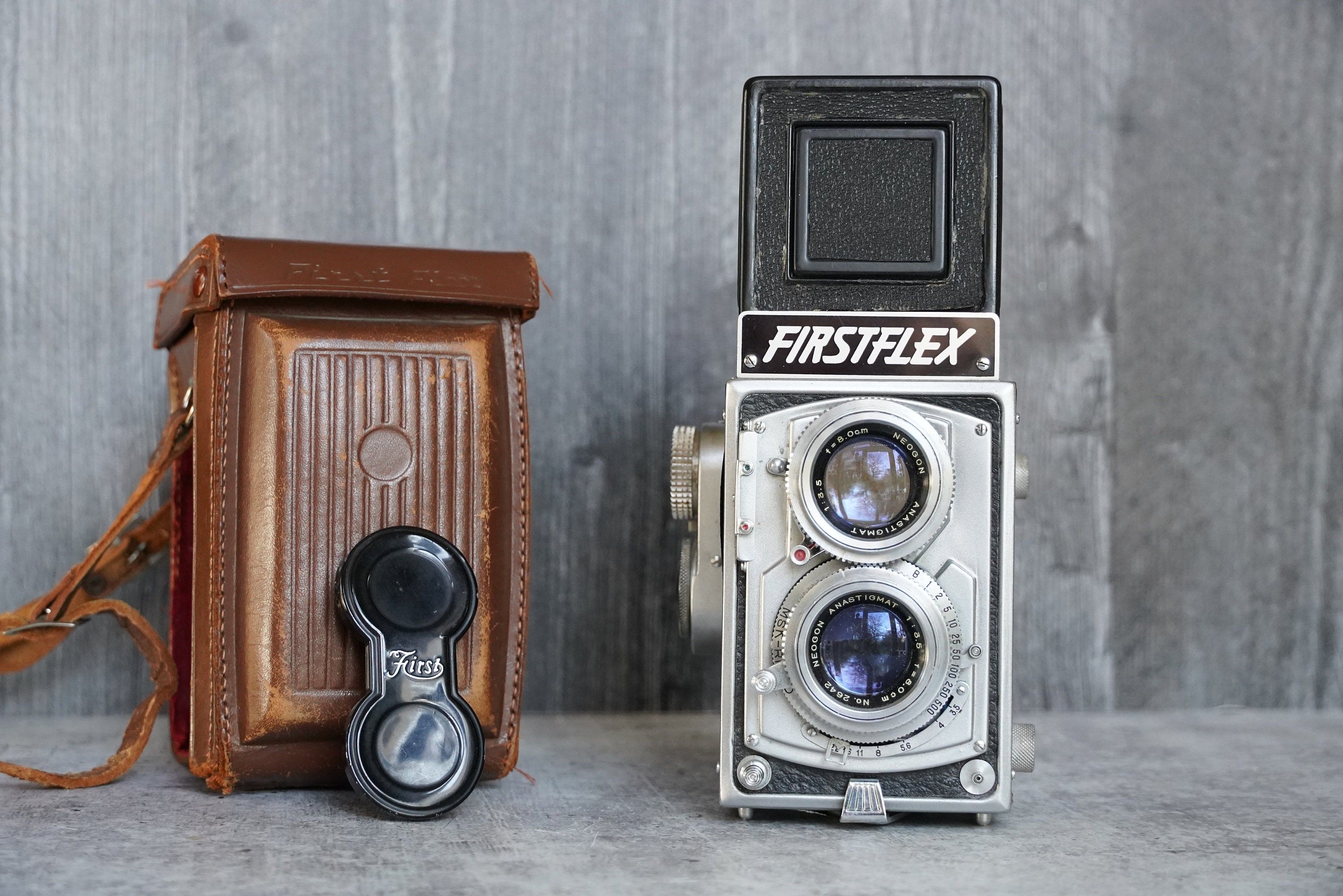
A Twin Lens Reflex (TLR) camera is a type of vintage camera cherished by collectors for its distinctive design and unique photographic experience.
The Twin Lens Reflex (TLR) camera design can be traced back to the early 20th century. Here are some key historical milestones. The concept of TLR cameras was pioneered by French inventors such as Leon Gaumont and Louis Lumière in the late 19th century. However, it was German camera manufacturer Franke & Heidecke that introduced the first commercially successful TLR camera, the Rolleiflex, in 1928. The Rolleiflex series of TLR cameras quickly gained popularity due to their exceptional build quality and high-quality lenses. They became the gold standard for TLR cameras and remained in production for many decades. Yashica, a Japanese camera manufacturer, also produced a renowned line of TLR cameras, including the Yashica Mat and Yashica-124. These cameras offered quality at a more affordable price point.
TLR cameras continued to be produced after World War II by various manufacturers, including Zeiss Ikon and Minolta. These post-war models often incorporated improvements in lens coatings and focusing mechanisms. TLR cameras started to decline in popularity in the 1960s with the advent of single-lens reflex (SLR) cameras, which offered more versatility and direct through-the-lens viewing. The last TLR models were typically produced in the 1980s.
Right now on eBay
TLR cameras hold a special place in the hearts of collectors due to their historical significance and unique design. Here's more information on their collectibility.
Certain TLR models, such as the Rolleiflex 2.8F and Yashica Mat-124G, are considered iconic and highly collectible. These models are known for their exceptional craftsmanship, sharp lenses, and lasting appeal. Rare and limited-edition TLR cameras, including those with special features like coated lenses or commemorative designs, often command higher prices in the collector's market. The condition of a TLR camera is a critical factor in its collectibility. Cameras in excellent working condition, with clean lenses, smooth winding mechanisms, and accurate shutters, are highly sought after. Collectors often value cameras that come with original accessories such as leather cases, lens hoods, and viewfinder masks. Cameras in their original packaging can also fetch a premium. Some TLR cameras hold historical significance due to their use by famous photographers or their role in documenting historical events. Cameras with provenance can be particularly valuable.
Collectors of TLR cameras often form communities, attend camera shows, and share knowledge through forums and publications. These resources can be invaluable for those interested in collecting TLR cameras. Enthusiasts may engage in the restoration and maintenance of TLR cameras to ensure they remain in excellent condition. Professional restorations can enhance a camera's collectibility.
TLR cameras have a rich history in the world of photography, and their collectibility is driven by their iconic status, rarity, condition, and historical significance. Collectors and enthusiasts of vintage cameras appreciate the craftsmanship and unique shooting experience that TLR cameras offer, making them a cherished addition to any collection.