
Wind-Up Tin Robots
Collector Quick Guide
What collectors look for
Collectors value robots with bright original lithography, smooth working mechanisms, complete antennas, and original accessories. The original box can dramatically increase collector interest.
How to identify originals
Authentic examples often display a manufacturer's logo, Made in Japan marking, and period-correct lithographed graphics. Original clockwork mechanisms should operate smoothly without modern replacement parts.
Red flags / reproductions
Watch for repainted bodies, reproduction boxes, replacement keys, or newly fabricated antennas. Artificial aging and overly glossy paint are common signs of modern reproductions.
Related collectibles
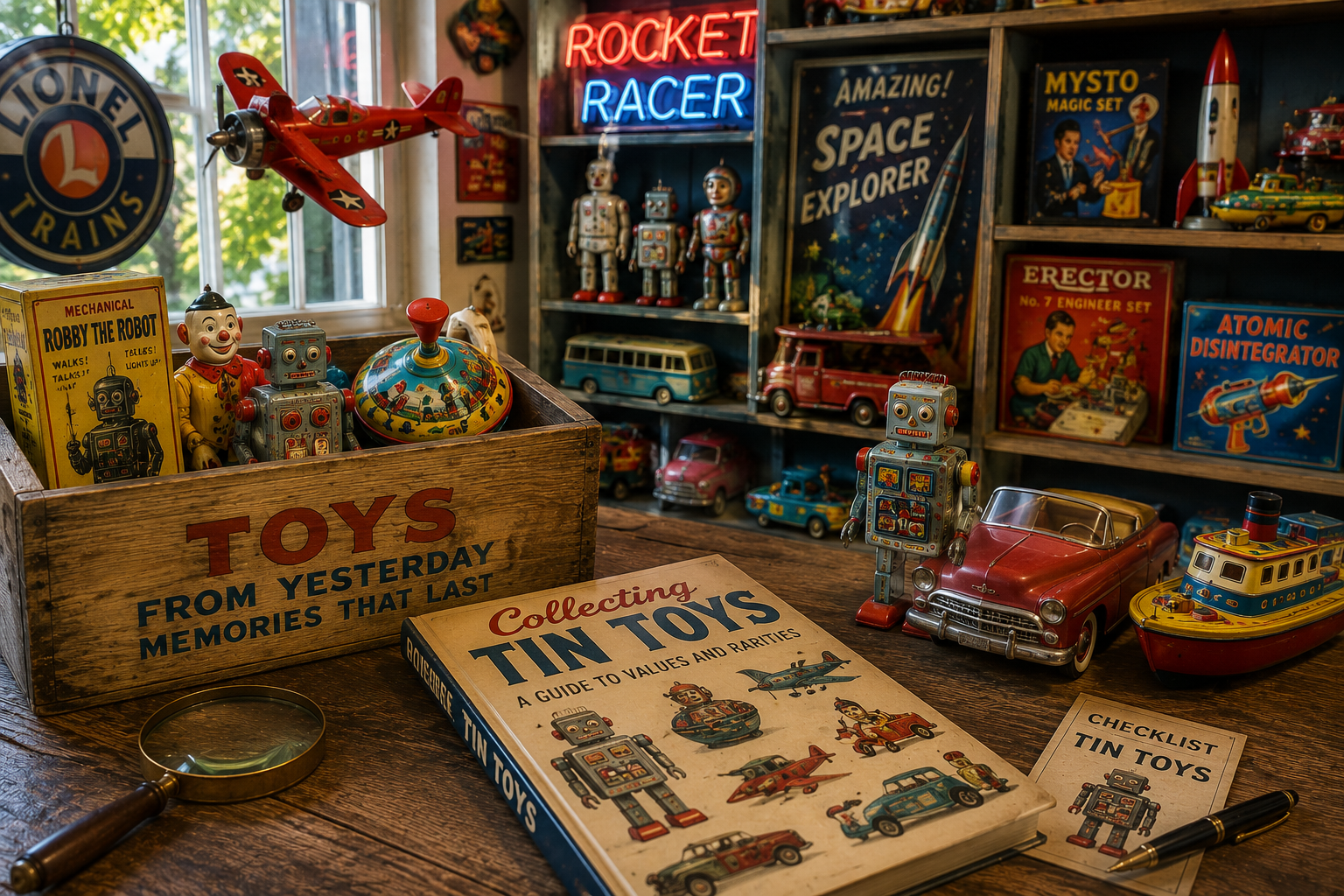
Few toys capture the imagination quite like the Wind-Up Tin Robot. Long before electronic gadgets and programmable toys filled store shelves, these colorful mechanical creations amazed children with nothing more than springs, gears, and clever engineering. A simple turn of a metal key could bring a robot to life as it walked forward, spun its arms, flashed sparks, or rolled across the floor. For many children growing up during the 1950s and 1960s, these futuristic toys represented what they believed tomorrow might look like.
Although robot toys were produced in several countries, Japan quickly became the world's leader in tin toy manufacturing following World War II. Companies such as Masudaya (Modern Toys), Nomura, Yonezawa, Alps, and Horikawa became internationally recognized for producing remarkably creative robots featuring bright lithographed artwork, imaginative control panels, and innovative mechanical actions. Many were exported around the world, where they introduced children to a future filled with rockets, astronauts, and robots.
Every manufacturer developed its own style. Some robots walked stiffly with swinging arms, while others featured spinning radar antennas, rotating gears beneath transparent domes, or battery-operated flashing lights. Their colorful designs reflected the optimism of the Space Age, borrowing inspiration from comic books, television programs, and science fiction films rather than actual robotics. Today, these imaginative designs are appreciated as much for their artwork as for their mechanical function.
Collectors are drawn to wind-up tin robots because they represent a unique intersection of industrial craftsmanship and childhood wonder. Unlike modern plastic toys, each robot required careful metal stamping, intricate lithography, hand assembly, and mechanical precision. Even the smallest examples demonstrate an impressive level of engineering, making them fascinating collectibles whether displayed individually or as part of a larger vintage toy collection.
Right now on eBay




TIN TOY HORIKAWA NEW SPACE CAPSULE NASA JAPAN NO NOMURA,YONEZAWA,ROBOT,VIDEO..!!
Used

Vintage Wind-Up Tin Robot Toy MS 403 Brown Blue Red – Parts / Repair / Display
Used

VINTAGE SPACE ROBOT WITH HAT MACHINE GEAR TOY WIND UP HORIKAWA 60s JAPAN PARTS
Used
RARE Vintage Space Robot Space Tank ME091 Battery Operated Tin Toy -Missing Arms
Used
Radical Robot, Yoshiya, Japan, 1955 tin toy, Battery operated Tin Robot
Used


Horikawa Rotate-O-Matic Super Astronaut (Battery Operated Tin Robot Not Working
For parts or not working
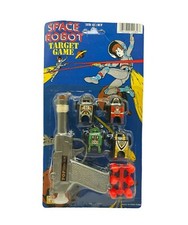


Vintage Space Robot Toy Transformers figure RARE spaceship ( friction working)
Used

Vintage Space Robot Coin Bank Toy W/Lenticular Chest by Avon, Piggy Bank (W10)
Used

VINTAGE SPACE ROBOT TOY MADE IN JAPAN ADJUSTABLE LEVEL BATTERY OPERATED WORKS
Used
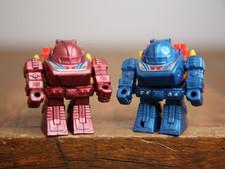
Vintage Space Robot Toy Transformers figures lot RARE spaceship friction
Used

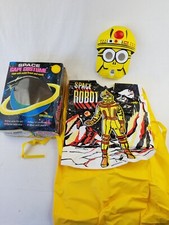
Vintage SPACE ROBOT cape Collegeville Costume & Mask 1979 Rare Sci-Fi in box
Used


Vintage Space Robot Embroidered Patch. Star Wars C3PO By Life Button Co. Inc.
New
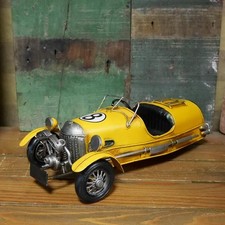
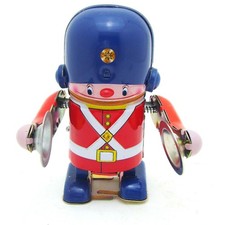


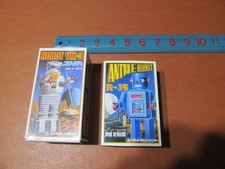

VTG Nomura Robot Tractor Visible Piston Tin Litho Body Part Shell 1950s Japan
For parts or not working


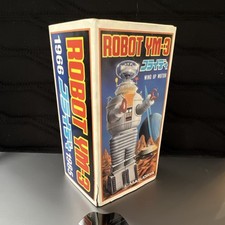
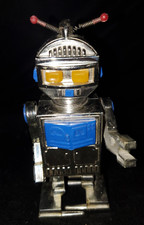
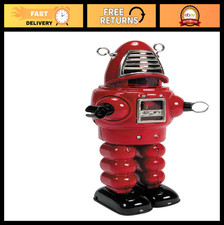


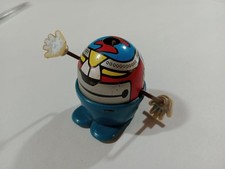
Vintage Space Robot - Wind-up Needs TLC Made In Hong Kong Metal Retro F1
Used

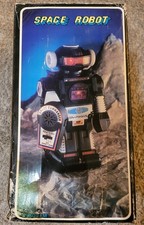
Vintage Space Robot “Omni” Model-B Battery Operated w/ Remote & Box – 1980s Retr
Used

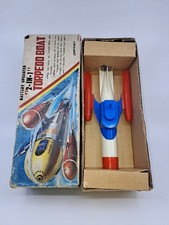
BATT/OP "2 - IN -1" TORPEDO BOAT GAKKEN SPACE TOY NO YONEZAWA,NOMURA,ROBOT,VIDEO
Used

PAIR RUBBER TRACKS FOR TAIYO TOY TIN TANK M-4 NO NOMURA,YONEZAWA,ROBOT,VIDEO.!$$
New
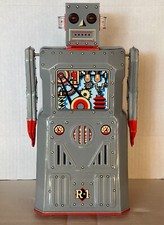
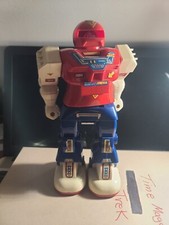
Vintage Space Robot Taiwan Battery Operated Toy GRX 701 Tested Works Sci Fi
Used
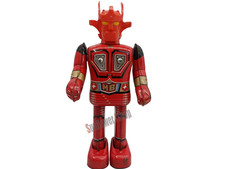
Popy Vintage Japanese Tin Robot Toy Red MB Emblem Wind-Up Walking Sci-Fi 1960s
Used

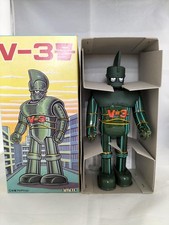

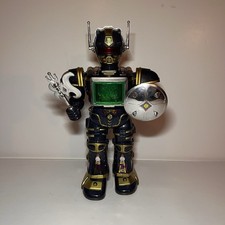

Vintage SPACE ROBOT Omni V-6021M – Battery Operated w/ Wired Remote – Boxed
Used

Vintage Space Robot Made in Japan Wind-up Robot. Tested & Working. FREE UK POST.
Used

MINI SUPER ROBOT X-28 WIND-UP w/ KEY - TINY REPLICA OF1963 YONEZAWA ROBOT W/BOX
New
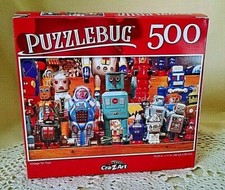
Tin Toys Puzzle New Puzzlebug 500 Pc Vintage Space Robot Toy 2020 Sealed #5510
New

1984 Convert -A - Bots Robot DAIJIM (Yonezawa) Robot and all parts instructions
New

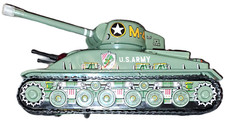
PAIR RUBBER TRACKS FOR TAIYO TOY TIN TANK M-4 NO NOMURA,YONEZAWA,ROBOT,VIDEO..!$
New
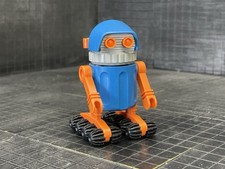


MAJIN GARON Battery Operated Tin Robot W/Box OSAKA TIN TOY INSTITUTE JAPAN
Used

Forbidden Planet 5oth Anniversary Edition 2 DVD set In Collectible Tin Robot NIB
Like New

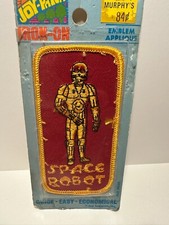
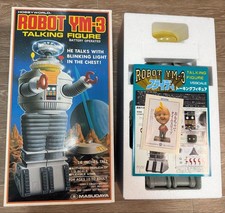
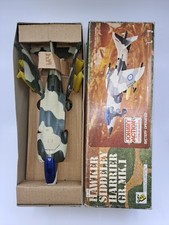
AIRCRAFT HAWKER SIDDELEY HARRIER GR MK1 NO YONEZAWA,NOMURA,ROBOT,SPACE TOY,VIDEO
Used
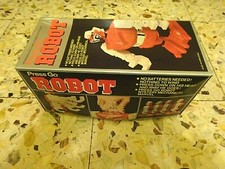
ROBOT PRESS GO HONG KONG PRESS HEAD RARE VINTAGE SPACE ROBOT IN BOX 80'S MIB G1
Nuovo

Masudaya/Robot Friday Masudaya Vintage JPN Limited Edition Rare Model VHTF Colle
Used
![Retro Sci-Fi Unisex Tee, Vintage Space Robot Shirt, Casual Graphic Tee, [...] on The Hot Collector](https://i.ebayimg.com/images/g/1lUAAeSwdQlpA9UN/s-l225.jpg)
Retro Sci-Fi Unisex Tee, Vintage Space Robot Shirt, Casual Graphic Tee, [...]
New with tags
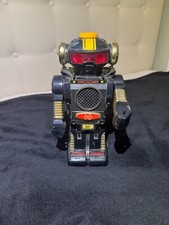
Vintage Space Robot 2002 – Battery Operated Toy – Retro Atomic Design – Japan St
Used


Originality plays a significant role in the value and desirability of vintage tin robots. Experienced collectors often prefer examples retaining their original lithographed finish, even if it shows honest signs of age. Small scratches, light paint wear, and minor oxidation are generally accepted as evidence of decades of careful ownership. In contrast, extensive repainting or replacement parts can greatly reduce collector confidence, particularly when repairs disguise themselves as original factory work.
One area frequently examined is the robot's mechanism. A functioning wind-up movement not only demonstrates mechanical integrity but also helps confirm that the toy has not been heavily altered. Collectors should inspect gears, winding keys, antennas, and feet for evidence of repairs or substitutions, as these are among the parts most commonly replaced after years of play. The original wind-up key is especially desirable, since many were lost by children shortly after purchase.
Another important consideration is the original packaging. Colorful illustrated boxes often featured dramatic artwork that promised futuristic adventures and exciting mechanical action. Because most boxes were discarded, complete boxed examples are considerably more difficult to find than loose robots. Even worn boxes contribute significantly to a robot's historical appeal and often provide valuable information about the manufacturer, model number, and intended operation.
Today, wind-up tin robots remain among the most recognizable symbols of vintage toy collecting. Their mechanical charm, colorful artwork, and connection to the optimism of the Space Age continue to inspire collectors around the world. Whether displayed in a dedicated toy room, a retro office, or a museum-quality collection, these robots remind us of a time when the future was imagined through gears, springs, and brightly painted tin.