
Classic Head Large Cent (1808-14)
Collector Quick Guide
What collectors look for
Original condition, age, maker marks, materials, completeness, unusual variants, and documented history usually matter most.
How to identify originals
Compare markings, construction details, finish, size, period-correct materials, and known design features before assuming authenticity.
Red flags / reproductions
Watch for reproductions, heavy restoration, replaced parts, fantasy pieces, unclear photos, and listings with vague descriptions.
Related collectibles
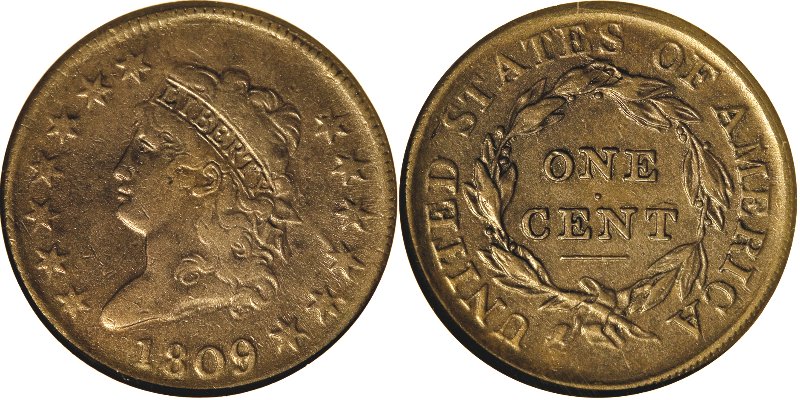
The Classic Head Large Cent, minted from 1808 to 1814, is a significant coin in the history of early American currency. It marked a transition in design from the Draped Bust Large Cent, which preceded it, and paved the way for the Matron Head Large Cent that followed. The design of the Classic Head Large Cent is attributed to John Reich, a German-born engraver who was employed by the United States Mint. Reich's design introduced several notable changes to the coin's appearance compared to its predecessor.
-
Obverse Design: The obverse (front) of the Classic Head Large Cent features a classic and elegant portrayal of Lady Liberty. She is shown in left-facing profile with her hair neatly tied in a ribbon, hence the name "Classic Head." This design was a departure from the flowing hair and draped bust representations seen on earlier Large Cents.
-
Reverse Design: The reverse (back) of the coin displays the denomination "1 CENT" within a wreath. Unlike the earlier Draped Bust Large Cents, the wreath on the Classic Head Large Cent is more refined and laurel-like in appearance.
Right now on eBay
The Classic Head Large Cent, like its predecessors, was struck in copper. These coins had a diameter of approximately 29mm, making them larger than modern U.S. pennies. During its production years, the United States was experiencing a growing need for small denomination coins due to expanding commerce. The Classic Head Large Cent contributed to meeting this need and remained in circulation for several years. Classic Head Large Cents are highly collectible today, and their value can vary widely depending on factors such as condition, rarity, and historical significance. Collectors are often drawn to these coins not only for their historical importance but also for the appealing design and the sense of connection to the early years of the United States Mint.
The Classic Head Large Cent of 1808-14 represents a pivotal period in American numismatics, with its refined design and role in addressing the country's need for small denomination currency. Designed by John Reich, it stands as a testament to the artistry and history of early American coinage, making it a prized addition to coin collections and a fascinating relic of America's monetary past.