
M1 Garand Rifle
Collector Quick Guide
What collectors look for
Original condition, age, maker marks, materials, completeness, unusual variants, and documented history usually matter most.
How to identify originals
Compare markings, construction details, finish, size, period-correct materials, and known design features before assuming authenticity.
Red flags / reproductions
Watch for reproductions, heavy restoration, replaced parts, fantasy pieces, unclear photos, and listings with vague descriptions.
Related collectibles
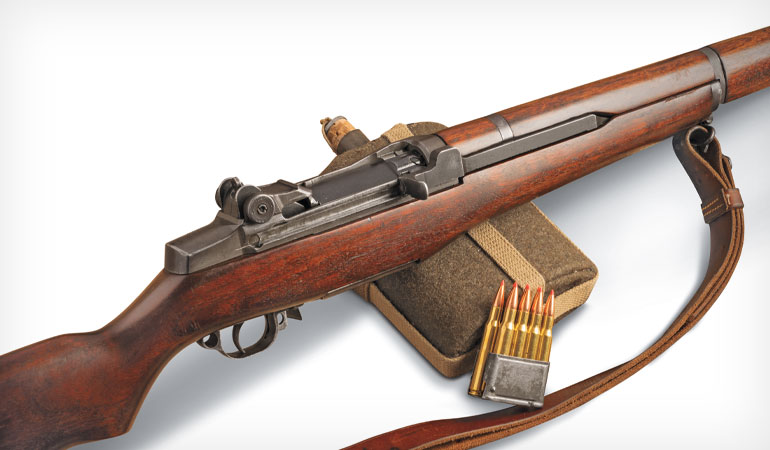
The M1 Garand rifle is one of the most iconic and influential firearms in military history, revered by collectors and historians alike for its role in shaping the outcome of World War II and its enduring legacy as a symbol of American military might. Designed by Canadian-American inventor John C. Garand, the M1 was the standard-issue service rifle for the United States Armed Forces from 1936 until 1957, making it the first semi-automatic rifle to be issued in large numbers to infantry troops.
The M1 Garand was a groundbreaking firearm at the time of its introduction. Prior to its development, most military forces around the world were equipped with bolt-action rifles, which required manual operation of the bolt after each shot. The semi-automatic mechanism of the M1 Garand allowed soldiers to fire eight rounds in rapid succession without needing to manually cycle the action, providing a significant advantage in terms of firepower and efficiency on the battlefield.
The rifle’s design features a gas-operated action, with the expanding gases from fired cartridges driving a piston to cycle the bolt and chamber the next round. This reliable and durable mechanism was crucial in the diverse and challenging combat conditions of World War II, where the M1 Garand saw extensive service in both the European and Pacific theaters. General George S. Patton famously praised the M1 Garand, calling it "the greatest battle implement ever devised."
One of the distinctive characteristics of the M1 Garand is its use of an en bloc clip, which holds eight rounds of .30-06 Springfield ammunition. The clip is inserted into the rifle’s internal magazine, and once the last round is fired, the clip is automatically ejected with a distinctive "ping" sound. This sound became a hallmark of the rifle and is still fondly remembered by veterans and enthusiasts.
Right now on eBay
The M1 Garand was not only valued for its performance in combat but also for its robust construction and ease of maintenance. The rifle’s wooden stock, typically made from walnut, provided durability and a comfortable grip, while its steel components were engineered to withstand harsh conditions. The combination of these features made the M1 Garand a reliable and effective weapon, contributing to its widespread adoption and use.
After World War II, the M1 Garand continued to serve in the Korean War and saw limited use during the early stages of the Vietnam War. It was eventually replaced by the M14 rifle, but the M1 Garand's legacy endured. Today, it is highly sought after by collectors, military historians, and shooting enthusiasts. Original rifles in good condition, especially those with matching serial numbers and original parts, are particularly prized. Additionally, rifles with documented service history or that were used in significant battles can command higher prices in the collector's market.
The M1 Garand has also gained popularity among civilian shooters, particularly in competitions such as the Civilian Marksmanship Program (CMP), which promotes marksmanship and firearms safety. The CMP continues to sell surplus M1 Garand rifles to qualified individuals, ensuring that the rifle remains accessible to those who appreciate its historical significance and excellent performance.
For collectors, the M1 Garand represents more than just a piece of military hardware; it is a symbol of American ingenuity, resilience, and the sacrifices made by the Greatest Generation. Its presence in numerous films, documentaries, and books has further cemented its status as an American icon. Whether displayed in a collection, fired on a shooting range, or studied as a piece of history, the M1 Garand continues to be revered for its contributions to the defense of freedom and democracy.