
Samurai Swords (Katana)
Collector Quick Guide
What collectors look for
Original condition, age, maker marks, materials, completeness, unusual variants, and documented history usually matter most.
How to identify originals
Compare markings, construction details, finish, size, period-correct materials, and known design features before assuming authenticity.
Red flags / reproductions
Watch for reproductions, heavy restoration, replaced parts, fantasy pieces, unclear photos, and listings with vague descriptions.
Related collectibles
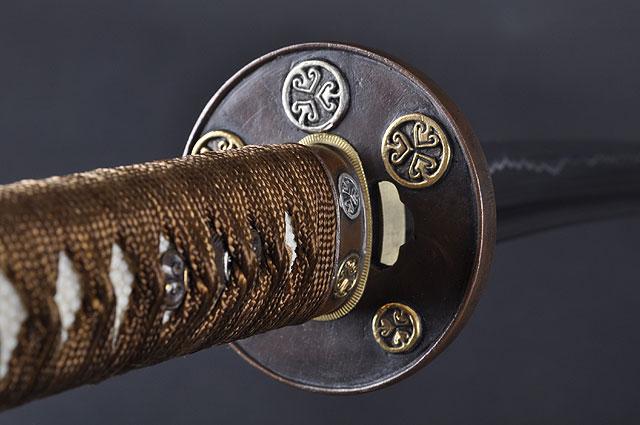
Among the most iconic weapons in history, the samurai sword, or katana, represents centuries of craftsmanship, tradition, and the warrior spirit of Japan. Originating in the late Kamakura period (1185–1333), the katana evolved from earlier straight-bladed swords into its distinct curved form. This curvature made it more effective for quick, slashing attacks, suiting the combat style of samurai warriors who relied on precision and speed in battle.
Forged using a specialized folding technique, the katana’s blade consists of multiple layers of steel, which enhances its strength and flexibility. The process, known as differential hardening, involves coating the spine of the blade with clay while heating and quenching it, resulting in a razor-sharp edge and a more resilient back. This technique gives the katana its characteristic hamon, or temper line, which is both functional and highly aesthetic. Many of the finest swords were signed by their makers, known as swordsmiths, whose craftsmanship was held in the highest regard.
Katanas were more than mere weapons; they were symbols of a samurai’s honor and status. The sword was considered an extension of the warrior’s soul, and its care and maintenance were sacred duties. It was often paired with a shorter blade, the wakizashi, which together formed the daishō—a combination signifying a samurai’s right to bear arms. These weapons were so revered that only the samurai class was permitted to carry them, and the act of drawing one’s sword without reason was seen as dishonorable.
Right now on eBay
During the Meiji Restoration (1868–1912), the samurai class was dissolved, and the wearing of swords was largely prohibited. Many traditional sword-making techniques were nearly lost, but the craft was preserved through generations of artisans and enthusiasts. Today, katanas are highly sought after by collectors, martial artists, and historians. Authentic antique pieces, particularly those made by renowned smiths, can command significant prices in the collector’s market. Meanwhile, modern reproductions continue to be produced for both practical use and display.
Collectors seeking genuine samurai swords must be vigilant, as replicas and mass-produced versions often flood the market. Features to look for in an authentic katana include the quality of the blade’s hamon, the presence of a tang signature (mei), and traditional construction methods. Organizations such as the NBTHK (Nihon Bijutsu Token Hozon Kyokai) authenticate and certify genuine swords, ensuring that historical pieces remain preserved for future generations. Katana collecting is a passion rooted in both appreciation for craftsmanship and reverence for history. Whether displayed as a centerpiece in a collection or wielded in the hands of a martial artist, the katana remains one of the most legendary and admired weapons ever created.