
Air and Aviation Postcards
Collector Quick Guide
What collectors look for
Original condition, age, maker marks, materials, completeness, unusual variants, and documented history usually matter most.
How to identify originals
Compare markings, construction details, finish, size, period-correct materials, and known design features before assuming authenticity.
Red flags / reproductions
Watch for reproductions, heavy restoration, replaced parts, fantasy pieces, unclear photos, and listings with vague descriptions.
Related collectibles
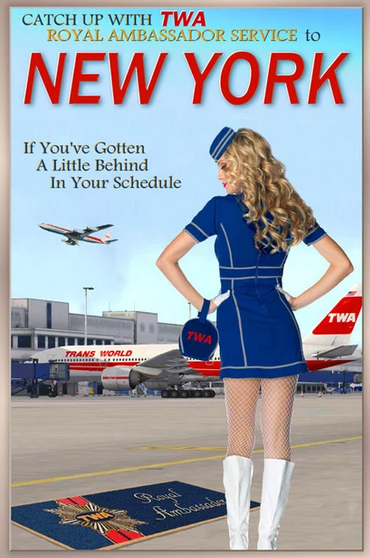
Air and Aviation Postcards provide a fascinating glimpse into the world of aviation and its historical significance. These collectible postcards capture iconic moments, aircraft, and destinations, allowing enthusiasts to delve into the rich history of aviation. In this article, we will explore the history of Air and Aviation Postcards, their evolution over time, and the joy of collecting these unique memorabilia.
History of Air and Aviation Postcards:
Air and Aviation Postcards have a long and captivating history that dates back to the early days of flight. These postcards were initially produced as a means to commemorate significant aviation events, such as pioneering flights, air shows, and the development of new aircraft. The first aviation postcards emerged in the early 20th century, coinciding with the rapid advancement of aviation technology.
During the Golden Age of Aviation in the 1920s and 1930s, aviation postcards gained immense popularity. They became a medium for promoting airlines, destinations, and aircraft manufacturers. Postcards featured stunning aerial views of cities, landscapes, airports, and notable landmarks, showcasing the wonders of flight to a wide audience. Collecting aviation postcards became a cherished hobby, allowing enthusiasts to build a visual archive of aviation history.
With the advent of World War II, aviation postcards took on a new role. They became essential tools for propaganda, showcasing military aircraft and heroic pilots. Postcards featuring warplanes, aerial combat scenes, and military bases were circulated to boost morale and promote national pride. These wartime postcards are highly sought after by collectors today, serving as tangible reminders of a significant era in aviation history.
Right now on eBay
In the post-war period, as commercial aviation expanded, airlines began using postcards as a promotional tool to advertise their services and destinations. These postcards featured colorful images of aircraft, exotic locations, and stylish airline logos. They became treasured souvenirs for passengers and enthusiasts alike, capturing the spirit of air travel and the allure of distant lands.
The Joy of Collecting Air and Aviation Postcards: Collecting Air and Aviation Postcards offers a captivating journey through time, blending history, art, and the thrill of discovery. For collectors, each postcard is a tangible piece of aviation history, preserving moments that have shaped the world of flight. The joy of collecting these postcards lies in the following aspects:
-
Historical Significance: Air and Aviation Postcards provide a window into the past, offering a visual narrative of aviation's milestones. Each postcard represents a unique moment in aviation history, from early pioneering flights to modern aircraft innovations.
-
Artistic Appeal: Aviation postcards often feature breathtaking photography or artwork, capturing the beauty of aircraft, landscapes, and airports. The artistic quality of these postcards adds an aesthetic dimension to the collecting experience.
-
Educational Value: Collecting Air and Aviation Postcards allows enthusiasts to deepen their knowledge of aviation history. Each postcard holds stories waiting to be discovered, offering insights into specific aircraft, airlines, destinations, and historical events.
-
Community and Networking: Engaging in the hobby of collecting aviation postcards connects enthusiasts with like-minded individuals, fostering a sense of community. Collectors can participate in trade shows, exhibitions, online forums, and social media groups to share their passion and expand their collections.