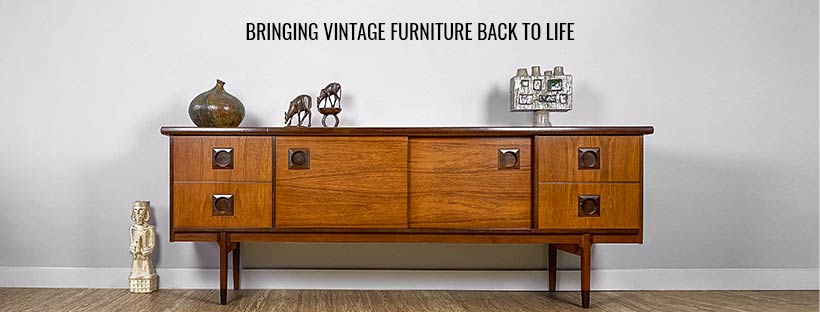
Mid-Century Modern Sideboards
Collector Quick Guide
What collectors look for
Original condition, age, maker marks, materials, completeness, unusual variants, and documented history usually matter most.
How to identify originals
Compare markings, construction details, finish, size, period-correct materials, and known design features before assuming authenticity.
Red flags / reproductions
Watch for reproductions, heavy restoration, replaced parts, fantasy pieces, unclear photos, and listings with vague descriptions.
Related collectibles
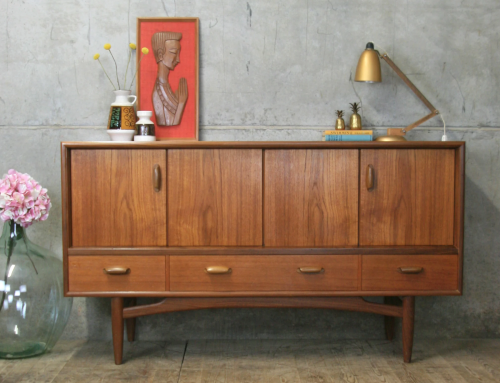
A Mid-Century Modern sideboard is a vintage furniture piece that epitomizes the design aesthetic of the mid-20th century, particularly the 1950s and 1960s. It is a versatile storage and display unit characterized by clean lines, organic shapes, and a combination of form and function. This piece typically features a low-profile, elongated design with ample storage space, making it a sought-after addition to both retro-inspired and contemporary interiors.
The Mid-Century Modern design movement emerged in the mid-20th century, influenced by a desire for simplicity, functionality, and a departure from the ornate styles of previous eras. Prominent designers and architects of the time, such as Charles and Ray Eames, Eero Saarinen, and George Nelson, played pivotal roles in shaping the Mid-Century Modern style. The sideboard, also known as a buffet or credenza, became an iconic furniture piece during this period due to its combination of storage utility and innovative design. Mid-Century Modern sideboards are celebrated for their use of materials like teak, walnut, and rosewood, as well as their clean, unadorned surfaces and tapered legs.
Right now on eBay
-
Teak/Walnut/Rosewood: These are the primary wood materials used in crafting Mid-Century Modern sideboards, known for their durability and distinct grain patterns.
-
Tapered Legs: Mid-Century Modern sideboards often feature legs that angle outward slightly from the base, creating a sense of visual lightness.
-
Sliding Doors: Many sideboards from this era incorporate sliding doors, which conceal shelves or compartments. These doors are typically sleek and minimalist.
-
Cabinet Space: Mid-Century Modern sideboards are designed with practical storage in mind, featuring cabinets with adjustable shelves for storing dinnerware, glassware, or other items.
-
Minimalist Hardware: Drawer pulls and handles on Mid-Century Modern sideboards are often minimalistic and integrated into the design to maintain clean lines.
-
Organic Shapes: The design aesthetic of Mid-Century Modern furniture emphasizes organic and geometric shapes, often with gently curved edges and corners.
-
Veneer: Some sideboards feature veneer finishes, where a thin layer of wood is applied over a core material, providing an attractive and consistent surface.
They have enjoyed a resurgence in popularity in recent years, appealing to collectors, interior designers, and homeowners seeking a blend of vintage charm and modern functionality. Authentic vintage pieces are highly collectible, and their value can vary based on factors like designer, condition, and rarity. Reproductions and inspired designs continue to be produced to meet the demand for Mid-Century Modern aesthetics in contemporary homes. Sideboards are celebrated for their timeless design and ability to complement various interior styles, from retro and minimalist to eclectic and contemporary. As collectibles, they represent an iconic era of furniture design and continue to influence the world of interior decor.