
Carved in Coin: Exploring the Fascinating World of Hobo Nickel Artistry
- Apr 2024
- Rigo Amador
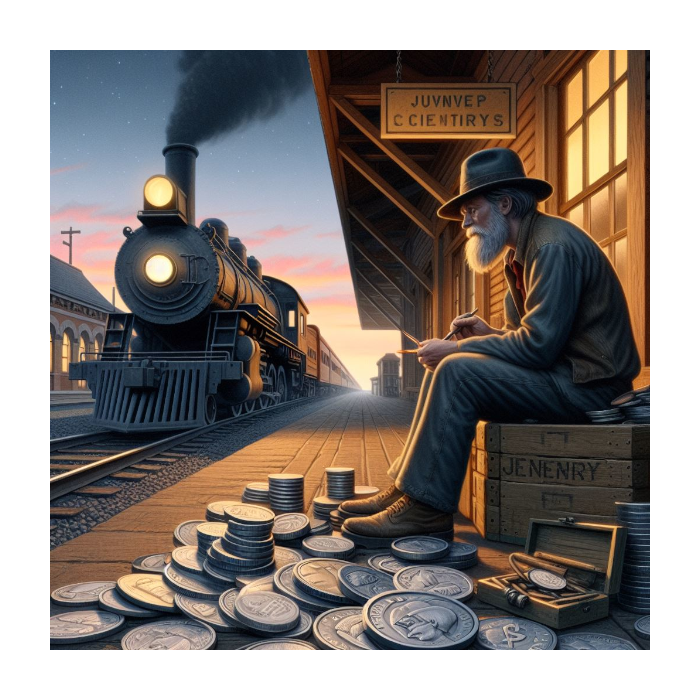
Hobo nickels are a unique form of folk art that originated in the late 19th and early 20th centuries. The term "hobo nickel" refers to coins that have been carved and altered by itinerant workers, often known as hobos, who traveled across the United States during the Great Depression. These skilled artisans transformed ordinary coins, primarily Buffalo nickels (five-cent coins minted from 1913 to 1938), into miniature works of art by carving intricate designs into them.
The tradition of carving coins dates back to ancient times when people adorned coins with various designs and inscriptions. However, hobo nickels emerged as a distinct art form during the economic hardships of the late 19th and early 20th centuries. Hobos, who wandered the country in search of work and adventure, often found themselves in need of extra money. To supplement their income, some hobos began carving designs into coins, turning them into unique pieces of art that they could sell or trade for goods and services.
The most common canvas for hobo nickel artists was the Buffalo nickel, thanks to its large size and soft metal composition, which made it easier to carve. Artists used a variety of tools, including knives, files, and even nails, to carefully remove material from the coin's surface, creating intricate designs and images. These designs ranged from portraits of prominent figures to scenes of everyday life, wildlife, and fantasy.
Despite their humble origins, hobo nickels quickly gained recognition for their artistic merit. Collectors began seeking out these unique coins, appreciating not only the skill and craftsmanship involved but also the historical and cultural significance they represented. Today, hobo nickels are highly sought after by collectors and enthusiasts worldwide, with some rare examples fetching significant sums at auctions and sales.
Hobo Nickel Art
The artistry displayed on hobo nickels is remarkable, considering the limited tools and resources available to the artists. Each coin tells a story, reflecting the creativity and ingenuity of its creator. Some hobo nickels feature intricate portraits of historical figures, such as Native American chiefs, presidents, and celebrities. Others depict scenes of daily life, including landscapes, wildlife, and humorous vignettes.
One of the most famous hobo nickel artists was George Washington "Bo" Hughes, whose work is highly prized by collectors. Hughes, a former hobo himself, began carving coins during the Great Depression and continued to do so until his death in 1980. His distinctive style and attention to detail earned him a reputation as one of the finest hobo nickel artists of his time.
In addition to Hughes, several other artists have made significant contributions to the hobo nickel art form. These include Bert Wiegand, known for his whimsical designs and caricatures, and Steve Adams, whose realistic portraits and intricate patterns are highly sought after by collectors.
Collecting Hobo Nickels
For collectors, hobo nickels hold a special allure due to their historical significance, artistic value, and scarcity. Each coin is a unique work of art, bearing the marks of its creator's imagination and skill. Collectors are drawn to the rich storytelling inherent in hobo nickel art, as well as the challenge of assembling a diverse and impressive collection.
Hobo nickel collectors often seek out coins based on factors such as rarity, condition, and artistic quality. Rare examples, especially those carved by renowned artists like Bo Hughes, command premium prices on the collector's market. However, even lesser-known pieces can hold significant value for collectors, particularly if they possess unique or unusual features.
Collecting hobo nickels requires patience, dedication, and a keen eye for detail. As with any form of numismatic collecting, knowledge is key, and collectors often spend years studying the history and artistry of hobo nickels to build their collections. Many collectors also enjoy attending coin shows, auctions, and exhibitions to network with fellow enthusiasts and acquire new additions to their collections.
In recent years, the internet has facilitated greater access to hobo nickels for collectors around the world. Online marketplaces, forums, and social media groups provide platforms for buying, selling, and trading hobo nickels, as well as sharing information and insights with fellow collectors. This digital community has helped to raise awareness of hobo nickel art and attract new enthusiasts to the hobby.
Right now on eBay
Notable Hobo Nickel Artists
While George Washington "Bo" Hughes remains one of the most renowned hobo nickel artists, several other talented individuals have made significant contributions to the art form. Among them is Bert Wiegand, whose whimsical and often humorous designs have captivated collectors for decades. Wiegand's caricatures and caricature-style portraits are characterized by exaggerated features and playful expressions, adding a sense of whimsy to his creations.
Another prominent hobo nickel artist is Steve Adams, whose realistic portraits and intricate patterns have earned him a devoted following among collectors. Adams' attention to detail and mastery of the carving techniques make his coins highly sought after in the collector's market. His ability to capture lifelike expressions and textures on the relatively small canvas of a coin is truly remarkable.
Other notable hobo nickel artists include Ron Landis, who is known for his highly detailed and finely crafted carvings, and Lee Griffiths, whose distinctive style blends elements of realism and fantasy. Each of these artists brings a unique perspective and aesthetic to hobo nickel art, enriching the diversity and vibrancy of the art form. Here is a small list of other artists for you to research:
-
Paolo Curcio - A contemporary hobo nickel artist known for his exceptional skill and attention to detail, Curcio's carvings often feature intricate patterns and textures inspired by nature and mythology.
-
Shane Hunter - Recognized for his innovative approach to hobo nickel art, Hunter combines traditional carving techniques with modern materials and technology to create unique and visually striking coins.
-
Aleksey Saburov - A Russian hobo nickel artist known for his intricate and finely detailed carvings, Saburov's work reflects a deep respect for the history and tradition of hobo nickel art.
-
Shane "HoboShane" Henderson - A self-taught artist known for his bold and expressive designs, Henderson's carvings often feature dynamic compositions and vibrant colors that stand out among other hobo nickel creations.
-
Stephen D. Cox - A master of miniature carving, Cox's hobo nickel art showcases his remarkable skill and creativity, with each coin bearing intricate details and meticulous craftsmanship.
Techniques and Tools
Carving a hobo nickel requires a steady hand, keen eye, and a selection of specialized tools. Artists typically start by sketching their design directly onto the surface of the coin, outlining the features and details they plan to carve. They then use a variety of cutting tools, such as knives, chisels, and gravers, to carefully remove material from the coin's surface, gradually shaping and refining the design.
One of the most challenging aspects of hobo nickel carving is achieving depth and dimension within the limited space of a coin. Artists must carefully consider the thickness of the metal and the angle of their cuts to create the illusion of three-dimensional form. This often involves carving multiple layers and textures, such as hair, clothing, and background elements, to enhance the realism and visual impact of the design.
Some artists also employ techniques such as chemical patination or surface texturing to further enhance the appearance of their carvings. Chemical patination involves applying a solution or chemical compound to the surface of the coin to create a desired color or finish, while surface texturing involves etching or engraving patterns and textures onto the metal to add depth and visual interest.
Motivations of Collectors
For collectors, hobo nickels hold a unique appeal that extends beyond their monetary value. Many collectors are drawn to the historical and cultural significance of hobo nickel art, seeing it as a tangible link to the past and a testament to the ingenuity and creativity of the human spirit. Each coin tells a story, reflecting the experiences and struggles of the hobos who carved them, as well as the artistic vision and skill of the artists who created them.
Collectors also appreciate the aesthetic beauty and craftsmanship of hobo nickel art, admiring the intricate details and creative interpretations found in each carving. Whether depicting realistic portraits, whimsical caricatures, or fantastical scenes, hobo nickels offer a diverse and captivating array of artistic expression that appeals to collectors of all tastes and backgrounds.
In addition to their artistic and historical significance, hobo nickels also hold intrinsic value as collectible items. Rare examples, particularly those carved by renowned artists or featuring unique designs, can command significant prices on the collector's market. For some collectors, the thrill of the hunt and the challenge of acquiring elusive pieces add an extra layer of excitement to the hobby, driving them to seek out rare and unique hobo nickels to add to their collections.