Exploring the Fascinating World of Rolled In Metal Error Coins
- May 2024
- Frank
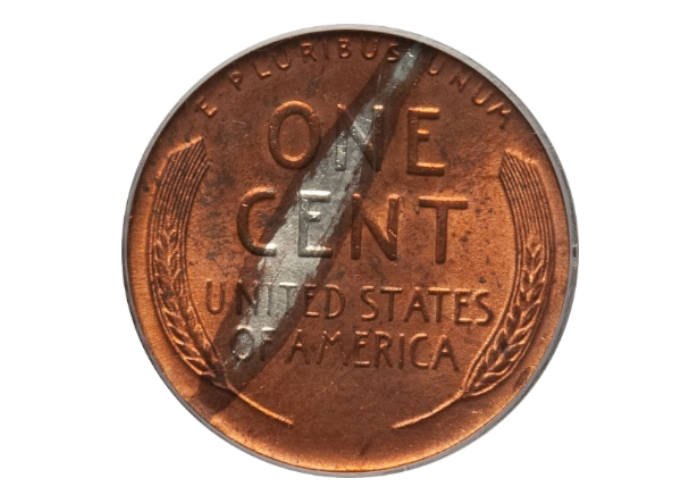
In the captivating realm of coin collecting, error coins hold a special allure, offering a unique glimpse into the minting process's complexities. One intriguing type of error coin is known as the "rolled in metal" defect. This fascinating error occurs during the alloying process when foreign material gets rolled into the planchet, resulting in coins with unusual and often striking inclusions. Let's delve deeper into the world of rolled in metal error coins, exploring their history, how they occur, and why collectors find them so captivating.
The phenomenon of rolled in metal errors has been present since the earliest days of coin minting. In ancient times, coin production was a labor-intensive process involving manual alloying and striking, which often led to various types of errors. The inclusion of foreign materials in the planchets was not uncommon, leading to coins with unique imperfections that offer modern collectors a tangible link to the past. These historical artifacts not only hold monetary value but also provide insight into the technological and material challenges faced by early minting operations.
In the context of modern minting, rolled in metal errors occur when fragments of metal or other foreign materials become embedded in the planchet during the rolling process. This can happen due to contamination of the metal strip or mishandling during the preparation stages. As the metal strip is rolled and thinned to the desired thickness, these foreign materials are pressed into the planchet, creating distinctive and often visually appealing inclusions. These errors are typically discovered during quality control inspections or by keen-eyed collectors who recognize the unique characteristics of rolled in metal defects.
What makes rolled in metal error coins particularly fascinating is their variety and unpredictability. Each coin with this type of error is unique, with the embedded materials creating different patterns, shapes, and textures on the coin's surface. These inclusions can range from small metal fragments to larger pieces that significantly alter the coin's appearance. The unpredictable nature of these errors adds an element of excitement for collectors, who enjoy the challenge of finding and identifying these unique pieces.
Right now on eBay
Collectors are drawn to rolled in metal error coins for several reasons. First, their rarity makes them highly sought after. Because these errors occur infrequently and are often caught and removed during quality control, finding a rolled in metal error coin is a noteworthy event. Additionally, the visual appeal of these coins adds to their desirability. The embedded materials create interesting patterns and textures that set these coins apart from standard issues, making them standout pieces in any collection.
Furthermore, rolled in metal error coins offer a glimpse into the minting process, providing collectors with a deeper appreciation for the craftsmanship and technology involved in coin production. These errors highlight the challenges and complexities of creating high-quality coins, underscoring the skill and precision required in the minting industry. For numismatists, owning a rolled in metal error coin is like holding a piece of minting history, a tangible reminder of the intricate processes that go into producing the coins we use every day.
In conclusion, rolled in metal error coins represent a unique and fascinating aspect of numismatics. Their rarity, visual appeal, and historical significance make them prized additions to any coin collection. Whether you're a seasoned collector or a newcomer to the hobby, the allure of rolled in metal error coins is undeniable, offering a window into the rich and complex world of coin minting. These unique pieces not only enhance the diversity and value of a collection but also provide a tangible connection to the history and craftsmanship of coin production.