
The Intricacies of Plating Issues in Coin Collecting
- May 2024
- Frank
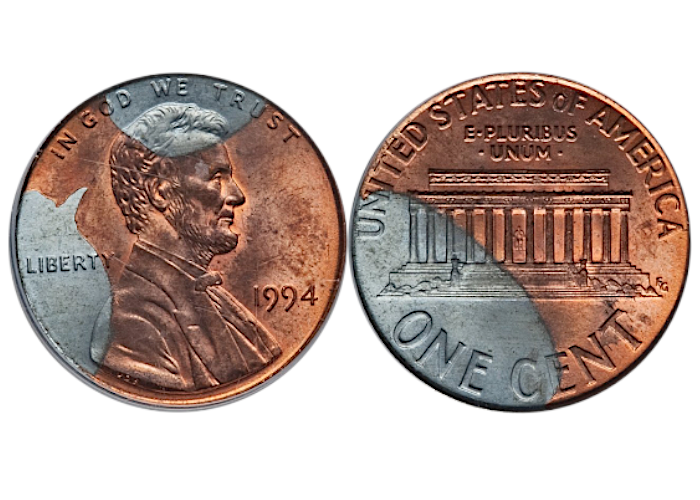
In the world of coin collecting, error coins captivate enthusiasts with their unique and often visually striking imperfections. Among these, plating issues stand out as a fascinating category of planchet division errors. These errors occur when the surface layer of metal fails to adhere properly to the core of the coin, leading to coins with flaking or peeling surfaces. Let's delve into the world of plating issues, exploring their causes, characteristics, and the reasons why they are so cherished by collectors.
Plating issues are a relatively modern phenomenon, primarily associated with coins that have a core of one metal and a surface layer, or plating, of another. This practice became common in the latter half of the 20th century, as mints sought cost-effective ways to produce coins. For example, many contemporary coins feature a zinc core with a copper plating, resulting in a copper-colored coin that is cheaper to produce than a solid copper one. However, this process is not without its pitfalls, leading to various plating errors.
One of the most common types of plating issues is peeling or flaking. This occurs when the plating fails to bond correctly to the core, often due to contamination or improper handling during the plating process. As a result, the surface layer can lift away from the core, creating dramatic and eye-catching imperfections. These errors can range from small flakes to large sections of the plating peeling off, revealing the underlying metal.
Another intriguing plating issue is blistering. Blisters form when gas gets trapped between the plating and the core during the minting process. These gas pockets create raised bumps on the surface of the coin, which can burst over time, leading to further flaking and peeling. Blistering adds a three-dimensional aspect to the error, making these coins particularly interesting to examine and collect.
Collectors are drawn to coins with plating issues for several reasons. Firstly, their rarity makes them highly sought after. While modern minting techniques aim for precision and consistency, errors still occur, and coins with plating issues often slip through quality control undetected. This rarity enhances their value and desirability among collectors, who appreciate the challenge of finding these unique pieces.
Right now on eBay
Secondly, the visual appeal of plating issues is undeniable. The flaking and peeling surfaces create dynamic and often striking patterns, giving each coin a distinct and individual character. For collectors, these imperfections add a layer of intrigue and beauty, transforming a mundane object into a work of art. The contrast between the exposed core and the remaining plating can be particularly striking, highlighting the coin's construction and the error's impact.
Furthermore, plating issues offer collectors a tangible connection to the minting process. Each error tells a story of the conditions and challenges faced during production, providing insight into the complexities of modern coinage. For numismatists, these errors are not just imperfections but windows into the intricate world of minting, where precision and occasional failure coexist.
Coins with plating issues also serve as valuable educational tools. They help collectors understand the technical aspects of coin production, from the metallurgy involved in creating the planchets to the various stages of the minting process. By studying these errors, collectors can gain a deeper appreciation for the craftsmanship and technology that go into producing the coins we use every day.
In conclusion, plating issues represent a captivating and valuable aspect of coin collecting. Their rarity, visual appeal, and the insights they offer into the minting process make them prized additions to any collection. Whether you're a seasoned numismatist or a newcomer to the hobby, the allure of coins with plating issues is undeniable, offering a unique and engaging glimpse into the world of error coins. These distinctive pieces not only enhance the diversity and value of a collection but also celebrate the fascinating and sometimes flawed journey of coin production.