The Fascinating World of Split Planchet Error Coins
- May 2024
- Frank
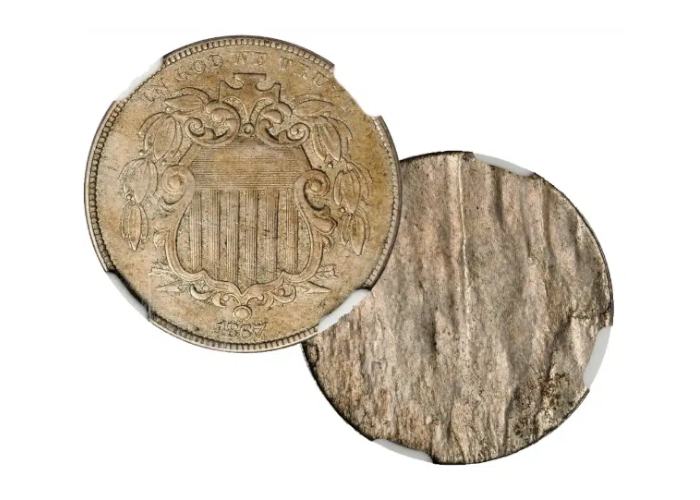
Error coins have always held a special fascination for collectors, offering a unique window into the minting process and the occasional mishaps that occur. One of the intriguing types of errors in coin collecting is the split planchet error. This type of error occurs when the coin's planchet, the metal disc from which the coin is struck, splits due to internal structural weaknesses or impurities. Let's dive into the details of split planchet error coins, examining how they are formed, their distinctive features, and why collectors find them so appealing.
Split planchet errors arise from the inherent stresses within the metal during the minting process. These stresses can be due to impurities, such as gas bubbles or inclusions within the metal, or from improper alloy mixing. When these impurities or weaknesses are present, the metal may not hold together as intended, leading to the planchet splitting either before or after the strike. In some cases, the planchet might split into two separate pieces, while in others, it might only partially separate, creating a distinctive and dramatic flaw.
Historically, split planchet errors have been a part of coin production since ancient times. Early minting techniques were less precise than today's standards, and the presence of impurities in the metal was common. Coins from ancient civilizations often display various planchet errors, including splits, which serve as historical artifacts showcasing the minting challenges of the time. These ancient error coins provide modern collectors with a tangible connection to the past and a deeper understanding of historical minting processes.
In modern minting, split planchet errors occur less frequently due to advancements in quality control and metal refining. However, they still appear, offering collectors a glimpse into the complexities of coin production. When a planchet splits before the strike, it results in two or more pieces that may or may not fit back together perfectly. If the split occurs after the strike, the design will be present on both pieces, but the coin will show a clear separation line, often with jagged or irregular edges.
Right now on eBay
One of the most captivating aspects of split planchet error coins is their visual uniqueness. No two split planchet errors are exactly alike, making each coin a one-of-a-kind piece. The dramatic appearance of a coin that has been split, with its exposed inner surfaces and irregular edges, adds an element of intrigue and beauty. Collectors appreciate these imperfections for their ability to tell a story and for the distinctiveness they bring to a collection.
The rarity of split planchet error coins also contributes to their desirability. As mints strive for perfection and employ stringent quality control measures, the chances of such errors making it into circulation are slim. This scarcity makes split planchet error coins highly sought after by collectors, who value them for their uniqueness and the insight they provide into the minting process.
Additionally, split planchet error coins offer educational value to numismatists and enthusiasts. Studying these coins helps collectors understand the physical properties of metals, the stresses involved in minting, and the potential for imperfections. By examining split planchet errors, collectors gain a deeper appreciation for the complexities of coin production and the artistry involved in creating currency.
In conclusion, split planchet error coins represent a fascinating and valuable aspect of coin collecting. Their visual appeal, rarity, and the historical and educational insights they offer make them prized additions to any collection. Whether you are a seasoned numismatist or new to the hobby, the allure of split planchet error coins is undeniable. These unique pieces not only enhance the diversity and value of a collection but also celebrate the intricate and sometimes imperfect journey of coin production.