Unveiling Improper Alloy Mixture Errors in Coin Collecting
- May 2024
- Kent Simmon
One of the intriguing aspects of coin collecting is discovering mint errors that offer a glimpse into the coin production process. Among these errors, improper alloy mixtures stand out for their unique appearance and the fascinating story they tell about the minting process. An improper alloy mixture occurs when the metals used to create a coin are not blended correctly, leading to noticeable variations in the coin's color and composition.
The history of alloy mixing in coin minting dates back centuries. Historically, coins were made from pure metals like gold and silver. However, as economies evolved, the need for more durable and cost-effective materials led to the creation of alloys—combinations of two or more metals. These alloys provided the necessary durability for coins that would be in circulation for extended periods.
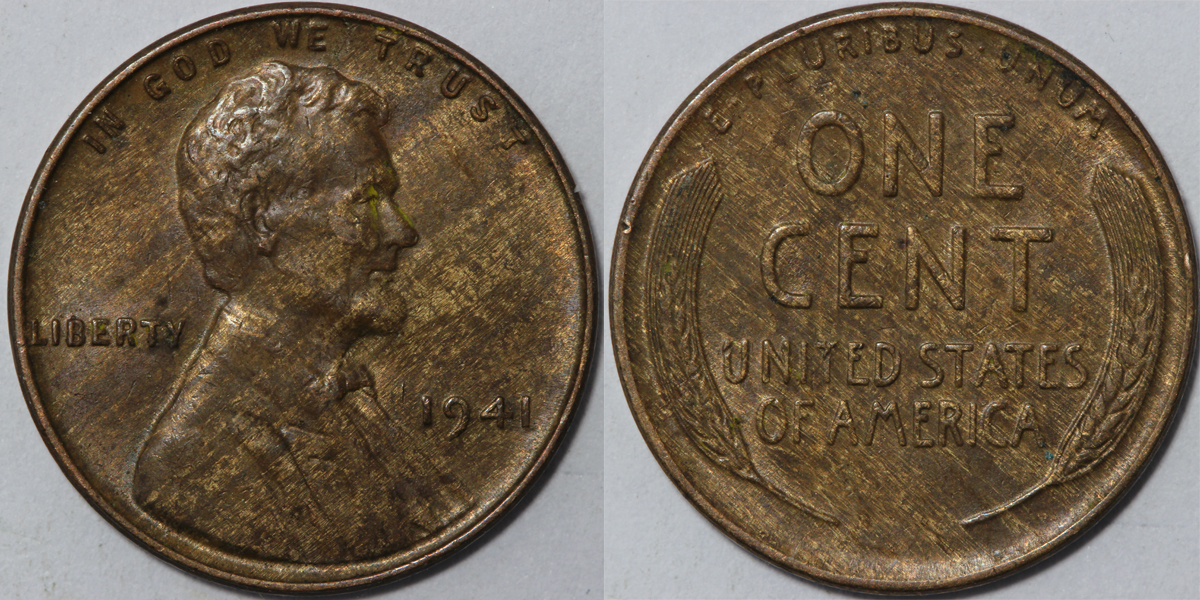
Improper alloy mixture errors occur when the metals are not thoroughly blended, resulting in streaks, spots, or areas of different colors on the coin's surface. For example, a coin that should have a uniform copper color might exhibit streaks of silver or gray if the alloy mixture is incorrect. This can happen during the melting process if the metals are not adequately stirred or if impurities are present in the mix.
One of the most famous instances of improper alloy mixture errors occurred in the United States in the early 20th century. During the minting of Lincoln cents, some coins were produced with visible streaks and blotches due to poor mixing of the copper and zinc alloy. These errors are now highly sought after by collectors, as they provide a tangible connection to the minting process and its occasional flaws.
Right now on eBay
Collecting coins with improper alloy mixture errors requires a keen eye and knowledge of what to look for. The most noticeable feature is the variation in color on the coin's surface. These variations can range from subtle streaks to dramatic contrasts, making each error unique. In some cases, the improper alloy mixture can also affect the coin's weight and density, providing additional clues for collectors.
The value of coins with improper alloy mixture errors varies depending on several factors, including the severity of the error, the coin's rarity, and its condition. Coins with dramatic color variations or those from significant historical periods tend to be more valuable. For instance, Lincoln cents with visible streaks from the early 20th century can fetch high prices at auctions and are prized additions to any collection.
Preservation is crucial for coins with improper alloy mixture errors. Collectors should handle these coins with care to avoid further damage and store them in a controlled environment to prevent oxidation and other forms of deterioration. Using protective holders or cases can help maintain the coin's condition and protect its value over time.
In conclusion, improper alloy mixture errors are a captivating area of coin collecting. These coins, with their unique color variations and historical significance, offer a fascinating glimpse into the complexities of the minting process. For collectors, they represent a unique and valuable addition to any collection, combining historical interest with the excitement of finding a one-of-a-kind piece.